Content
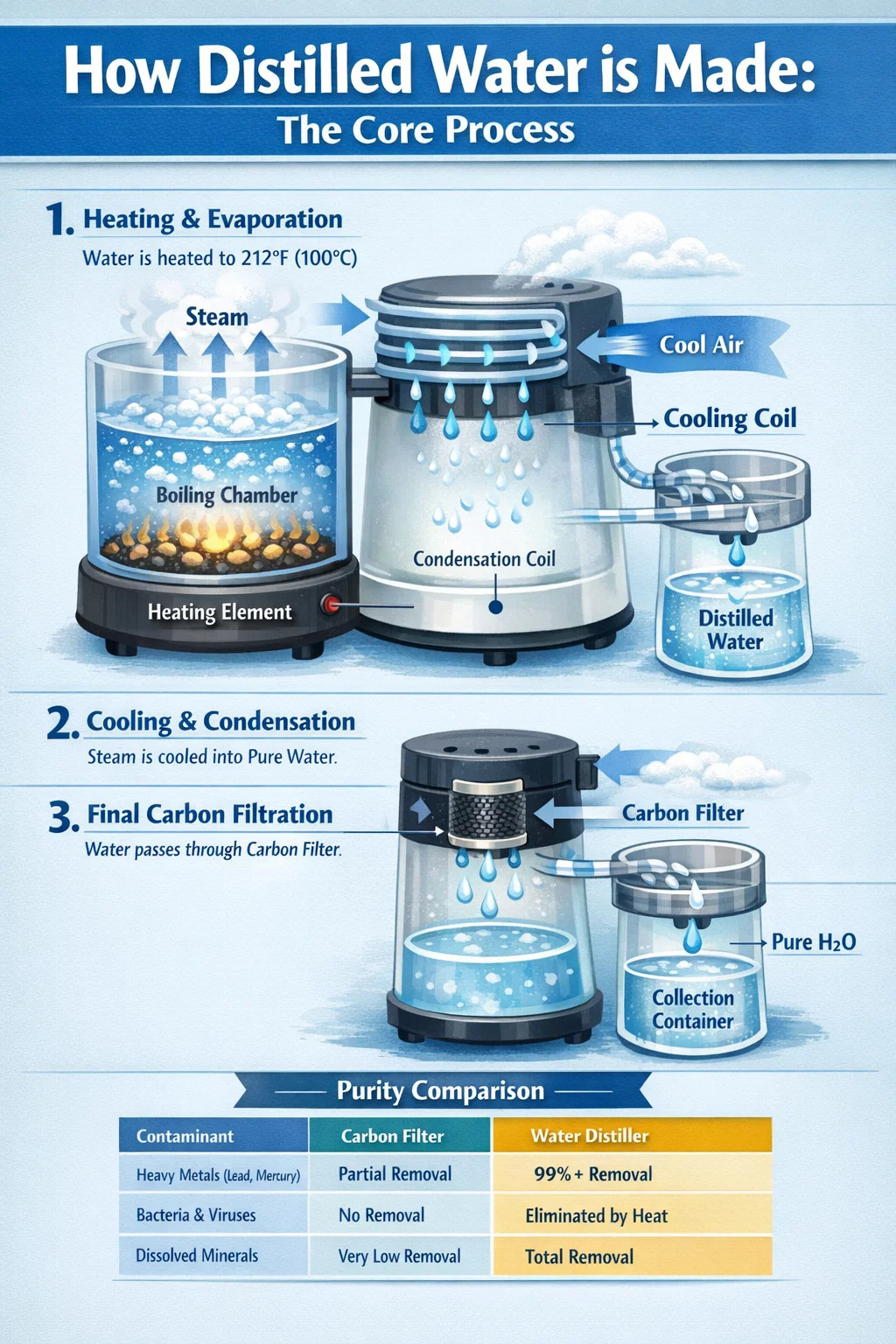
To answer the question directly: distilled water is made through a process of thermal distillation, which involves boiling source water into steam and then cooling that steam back into a liquid state in a separate container. This method effectively leaves behind up to 99.9% of total dissolved solids (TDS), including minerals, heavy metals, and microorganisms, because these contaminants cannot turn into gas at the boiling point of water. By using a specialized water distiller, you recreate the natural hydrologic cycle—evaporation and condensation—within a controlled chamber to produce the purest form of H2O possible.
Understanding how distilled water is made requires looking at the mechanical journey water takes inside the machine. Unlike simple filtration, distillation is a phase-change process.
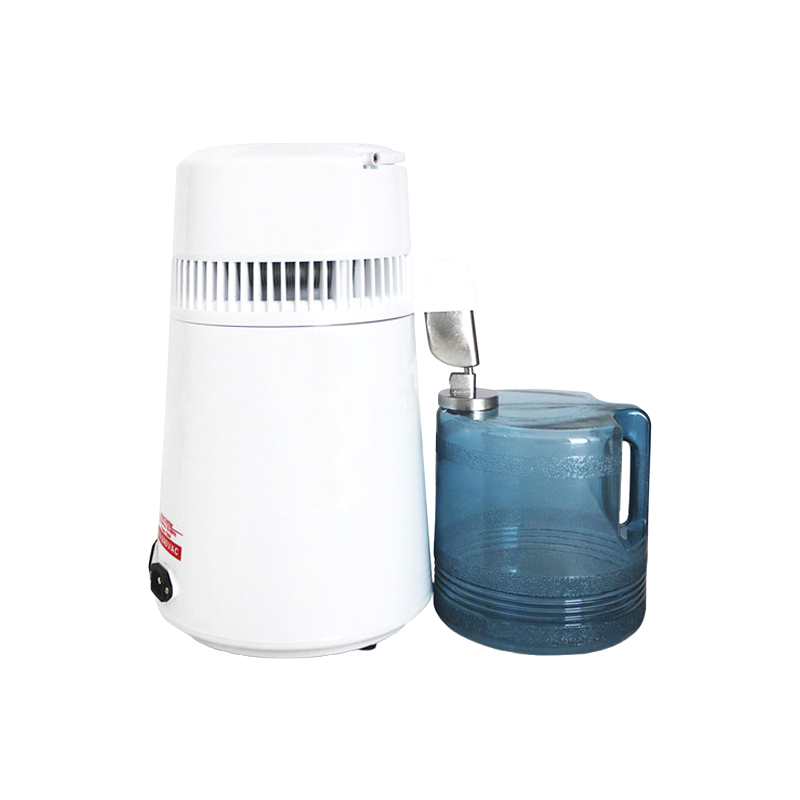
The process begins when the boiling chamber of the water distiller is filled with tap water. An electric heating element at the base raises the temperature to 212°F (100°C). As the water reaches its boiling point, it converts into steam. Volatile gases may be released through a vent, while non-volatile contaminants like lead, arsenic, and fluoride remain trapped in the boiling tank.
The rising steam enters a cooling coil, typically made of stainless steel or glass. A fan blows air across these coils to rapidly drop the temperature. This causes the steam to lose energy and condense back into droplets of liquid water. This liquid is now physically separated from the "junk" left in the first chamber.
Many high-quality water distillers include a final step where the droplets pass through a small activated carbon sachet. This is crucial for removing "VOCs" (Volatile Organic Compounds) that might have evaporated at the same temperature as the water, ensuring the final product has a clean taste and zero odor.
To see why the water distiller is often preferred for medical and dental settings, it helps to compare it against standard filtration. While a pitcher filter might reduce chlorine taste, it cannot match the purity levels of distilled water.
| Contaminant Type | Standard Carbon Filter | Water Distiller |
|---|---|---|
| Heavy Metals (Lead/Mercury) | Partial Removal | 99% + Removal |
| Bacteria and Viruses | No Removal | Eliminated by Heat |
| Dissolved Minerals (Scale) | Very Low Removal | Total Removal |
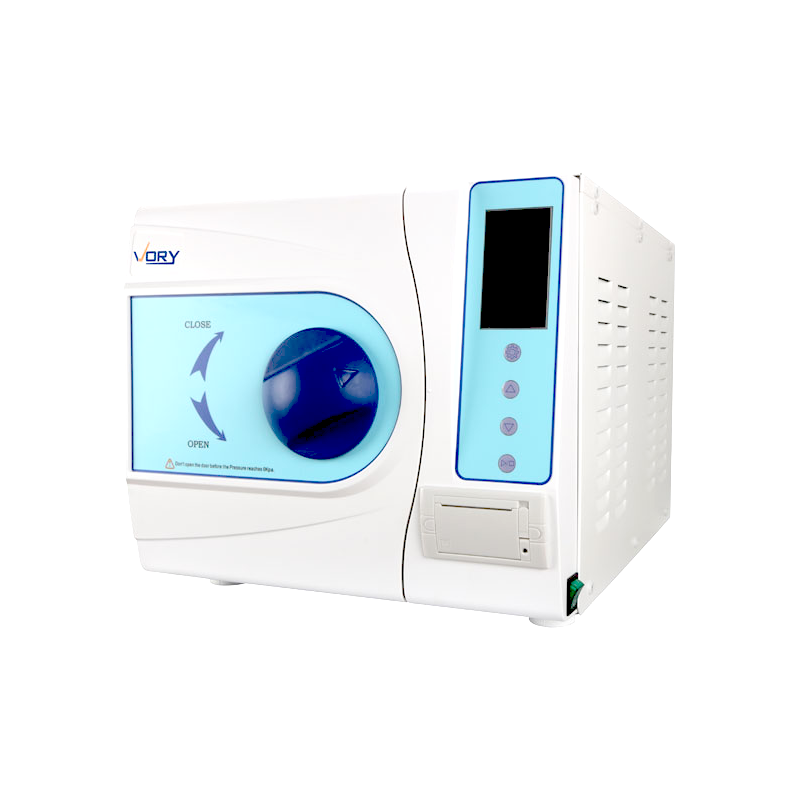
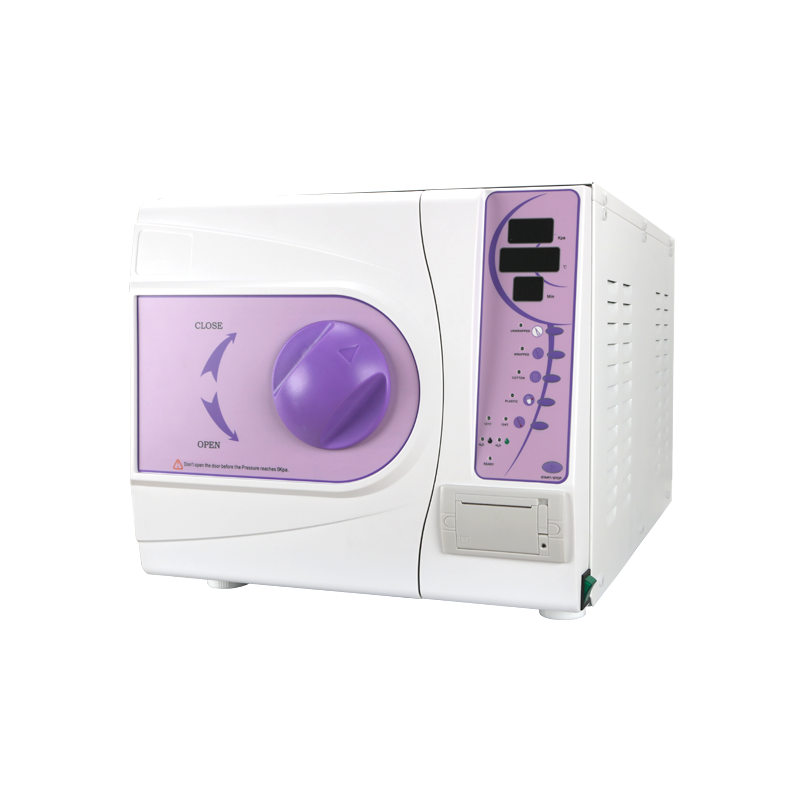
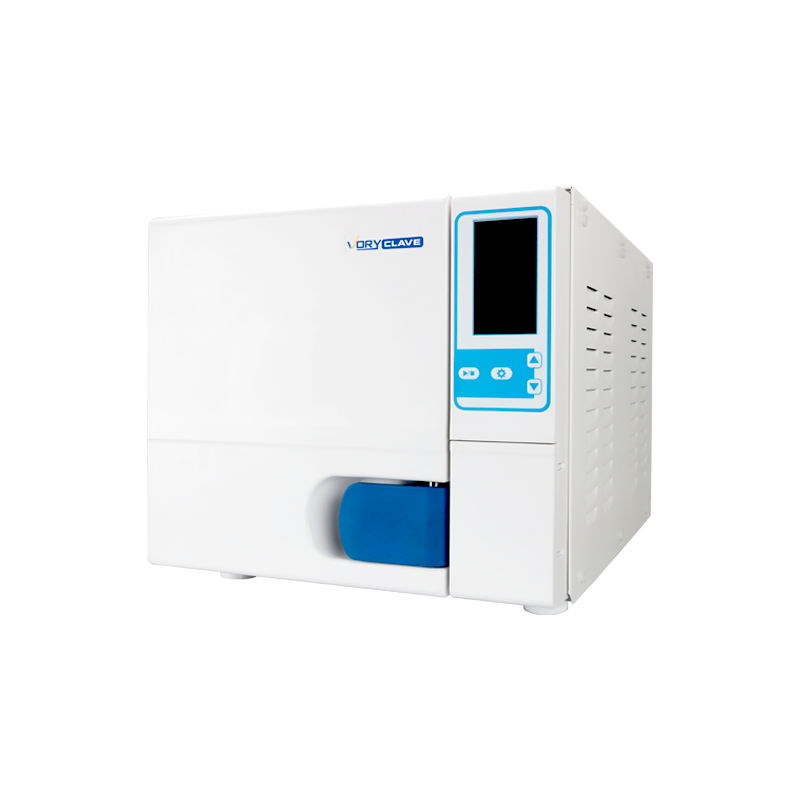
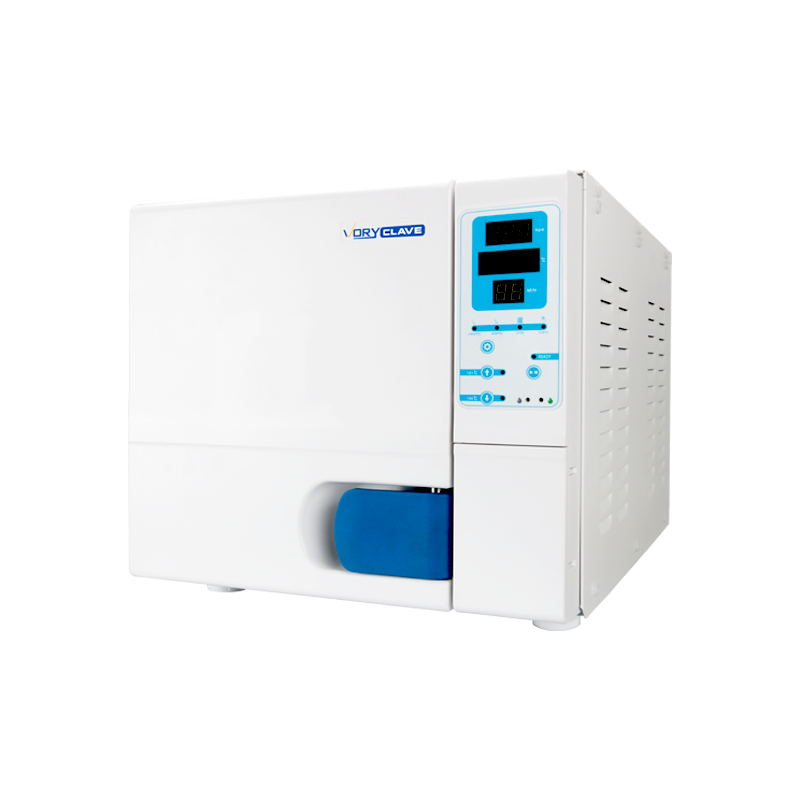
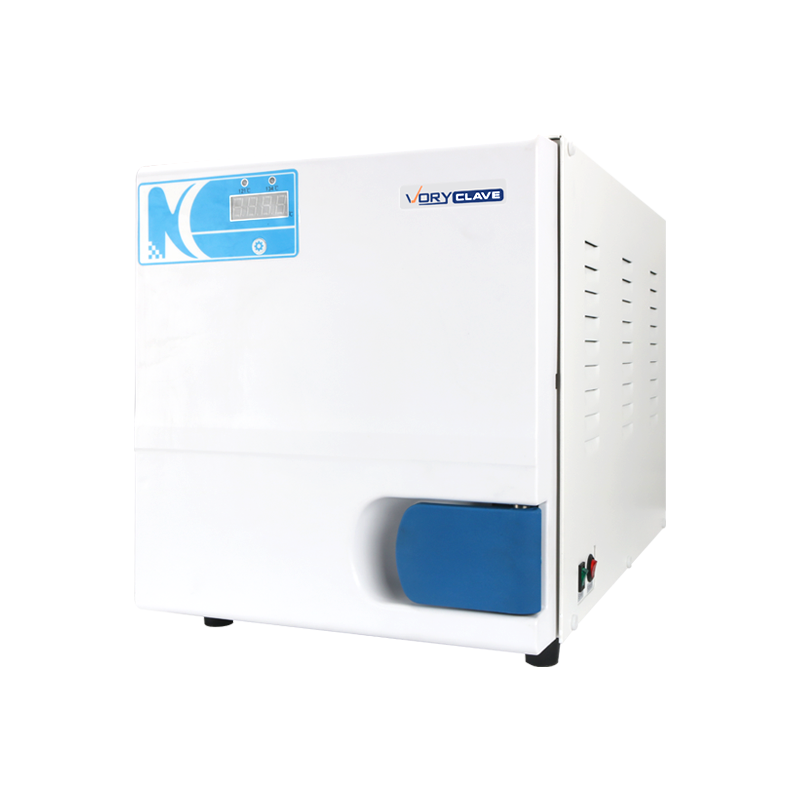
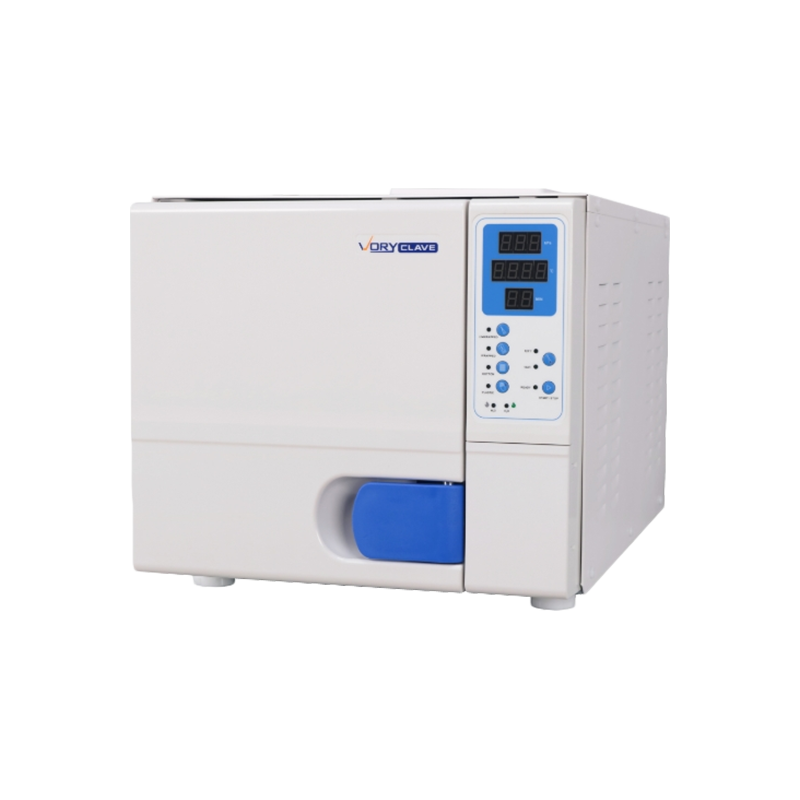
Using water made by a water distiller is a non-negotiable requirement for devices like dental autoclaves and CPAP machines. The reason is simple: mineral buildup. When tap water is boiled inside a sterilized chamber, the water evaporates, but the calcium and magnesium stay behind, forming a rock-hard layer of scale.
To get the most out of the distillation process, certain maintenance habits are required. Since the machine is essentially a "contaminant trap," you must clean the trap regularly.
After a few gallons, you will see a brown or white crust at the bottom of your water distiller. Using a simple citric acid solution or white vinegar once a week will dissolve these minerals, ensuring the heating element doesn't overheat and burn out.
Distilled water is "hungry" water—it wants to absorb minerals from its environment. Always store the finished product in glass carafes or BPA-free food-grade plastic. Keep the container sealed to prevent the water from absorbing CO2 from the air, which can slightly increase its acidity over time.
If you have any question for the installation
or need support, please feel free to contact us.
86-15728040705
86-18957491906

 English
 عربى
عربى

