 English
 عربى
عربى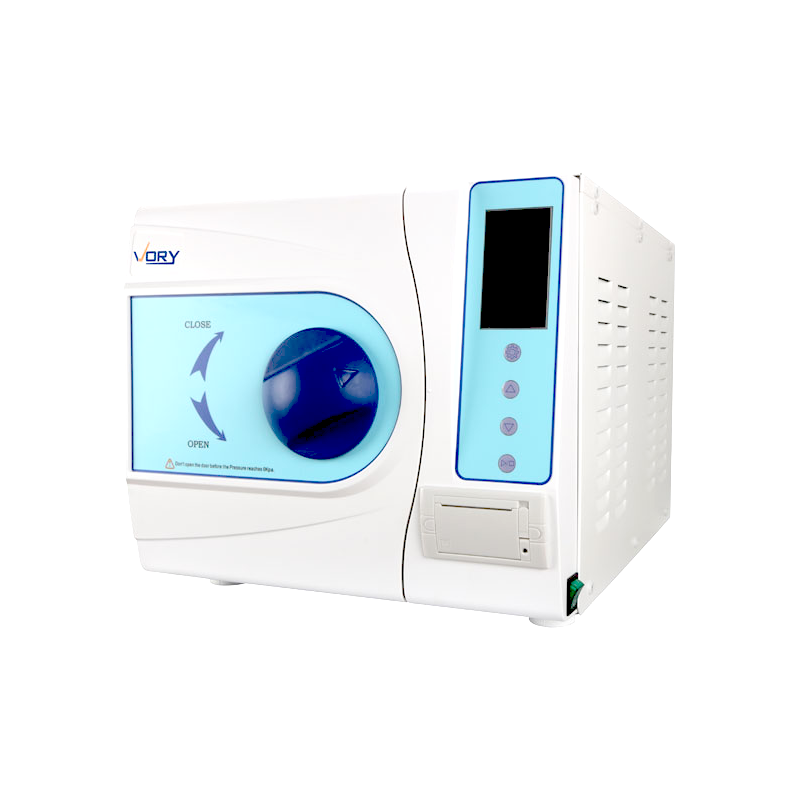
Application
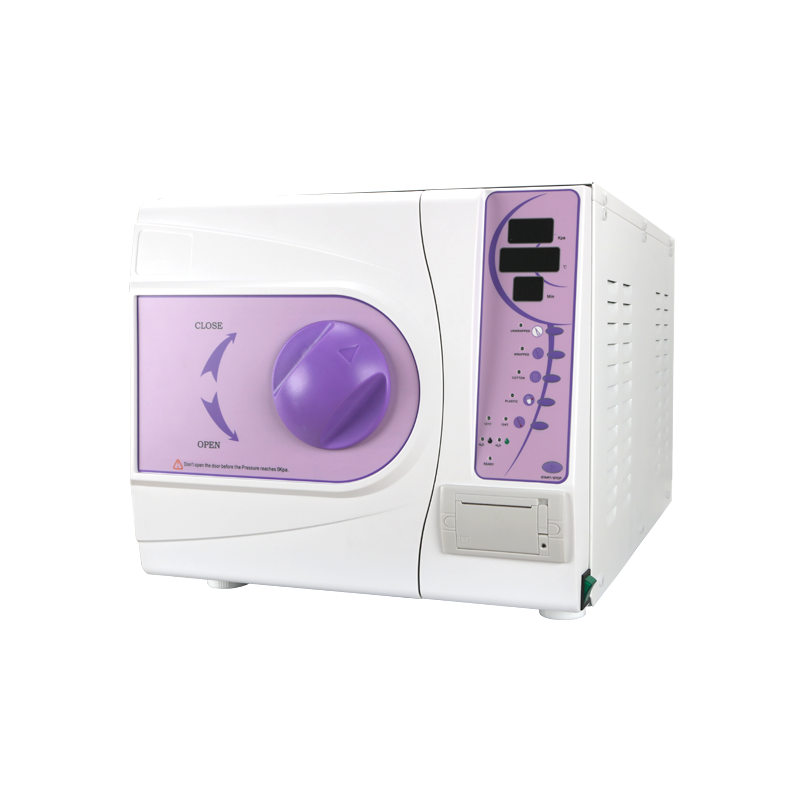
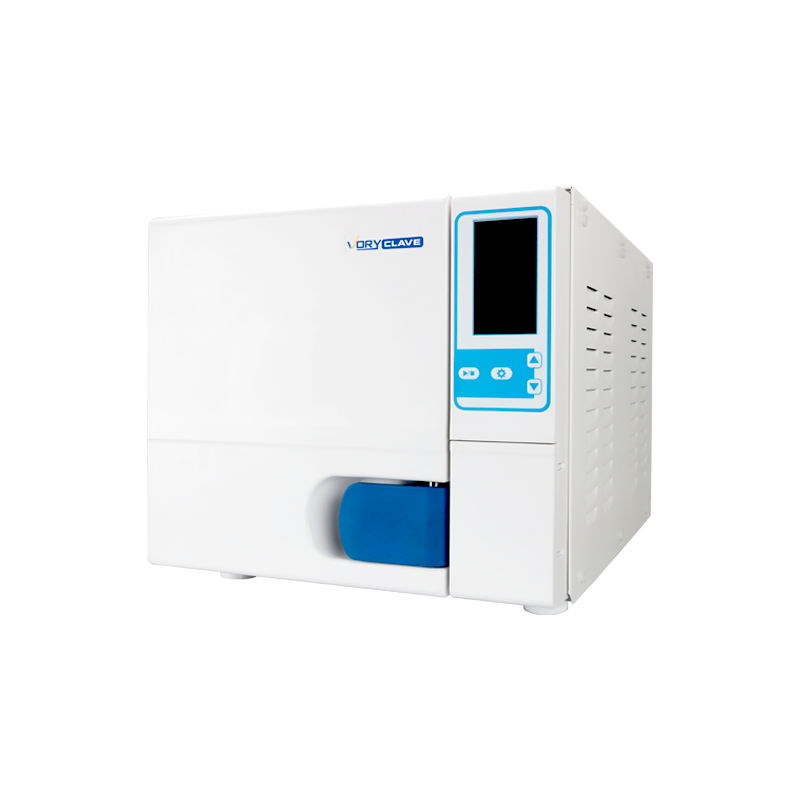
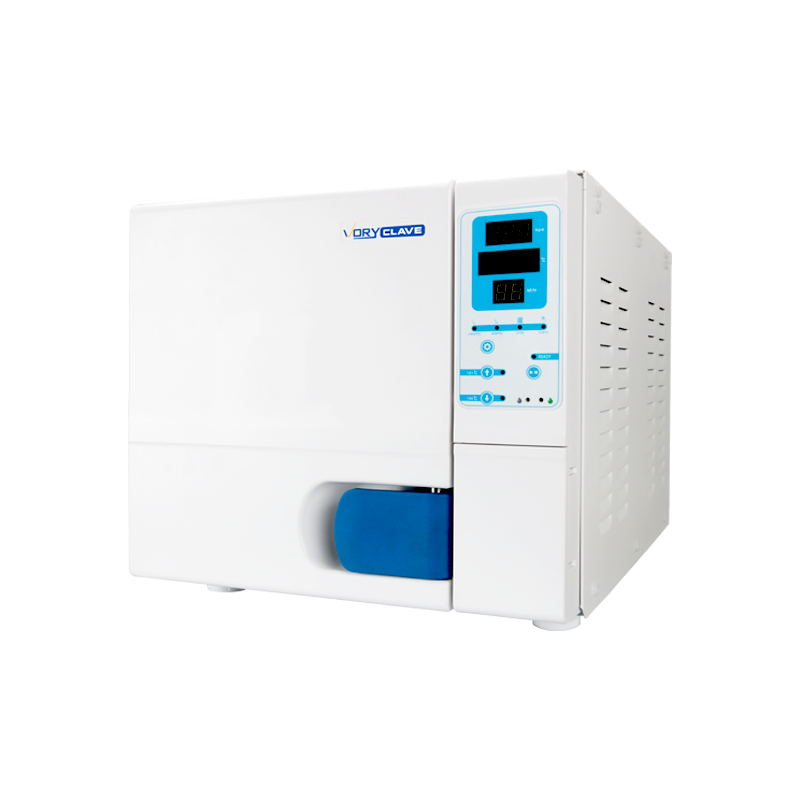
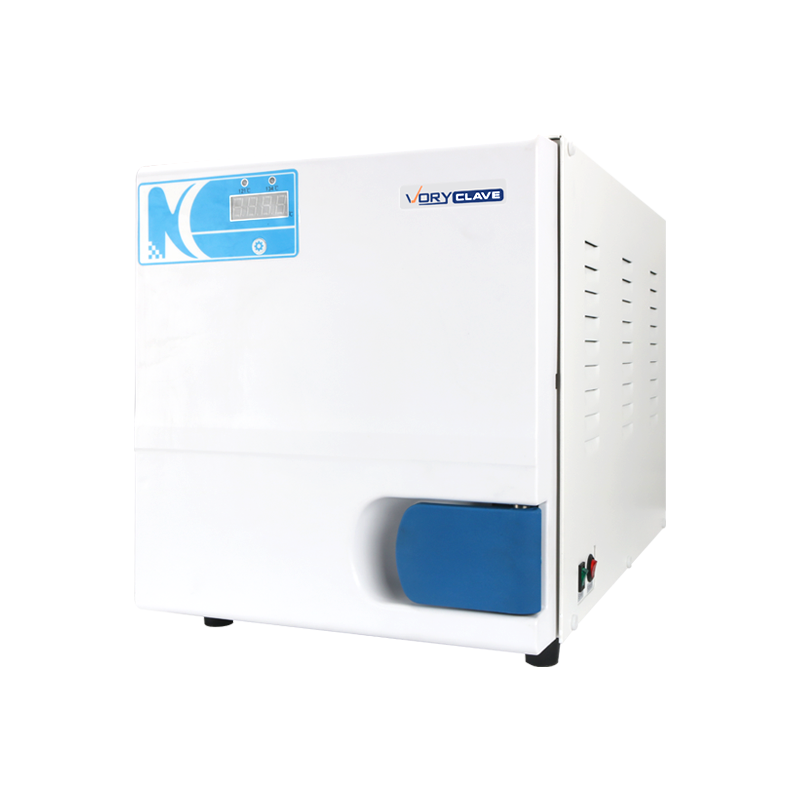
The primary settings are hospital central processing facilities, major research institutions, public health laboratories, and veterinary diagnostic labs. These facilities generate a continuous stream of biohazardous waste that must be rendered non-infectious before disposal. The sterilizers are usually located in a restricted, designated waste processing area. The long, deep penetration cycles ensure the thermal inactivation of even resistant spores within bulky waste bags. The operation involves loading the sealed biohazard bags into the chamber, running the validated cycle, and then transferring the treated material for conventional disposal. The use of a specialized sterilizer is crucial for chain-of-custody documentation, providing an auditable record that the potentially infectious material has been safely treated as required by law.
Transaction Details
Given the high regulatory importance and size of this equipment, payment terms are typically structured: T/T deposit (30-40%), with the balance upon successful Factory Acceptance Testing (FAT) or delivery. L/C terms are available for institutional tenders. Shipping is via specialized heavy-cargo transport, and DDP terms are often preferred for installation logistics. Packaging requires custom crating. Due to complexity and size, lead times are longer (8-16 weeks). Price includes the necessary safety interlocks and validation support (IQ/OQ/PQ protocols) tailored for bio-waste processing. Buyers must confirm that the unit's exhaust filtration and pressure vessel design comply with all local and national bio-waste treatment regulations before purchase to ensure immediate operational legality. Consumables include the periodic replacement of HEPA filters.