86-15728040705

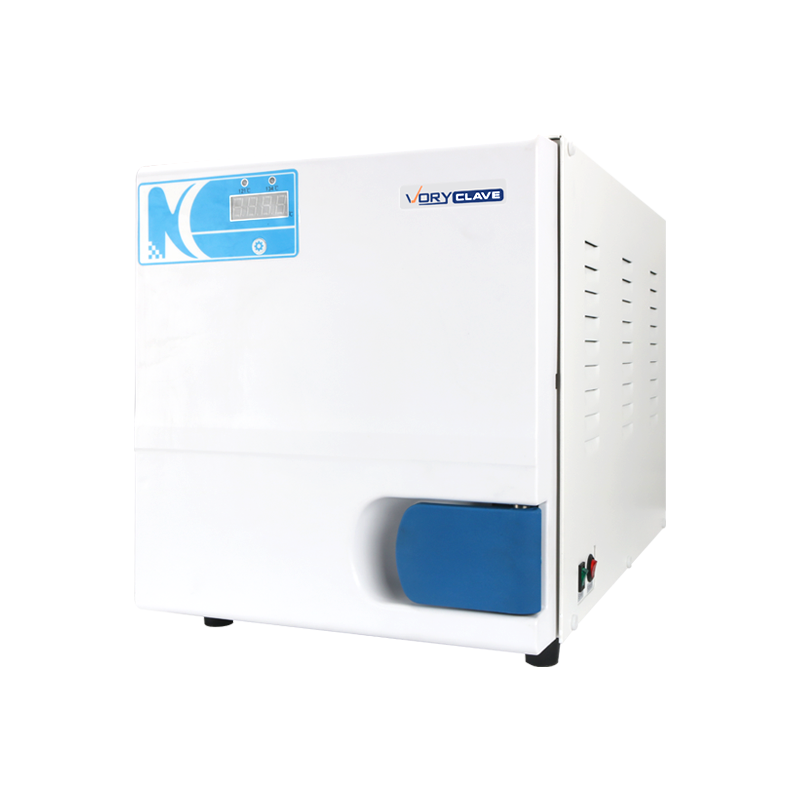
Class B Dental Autoclaves

-- Steady & Reliable Manufacturer --

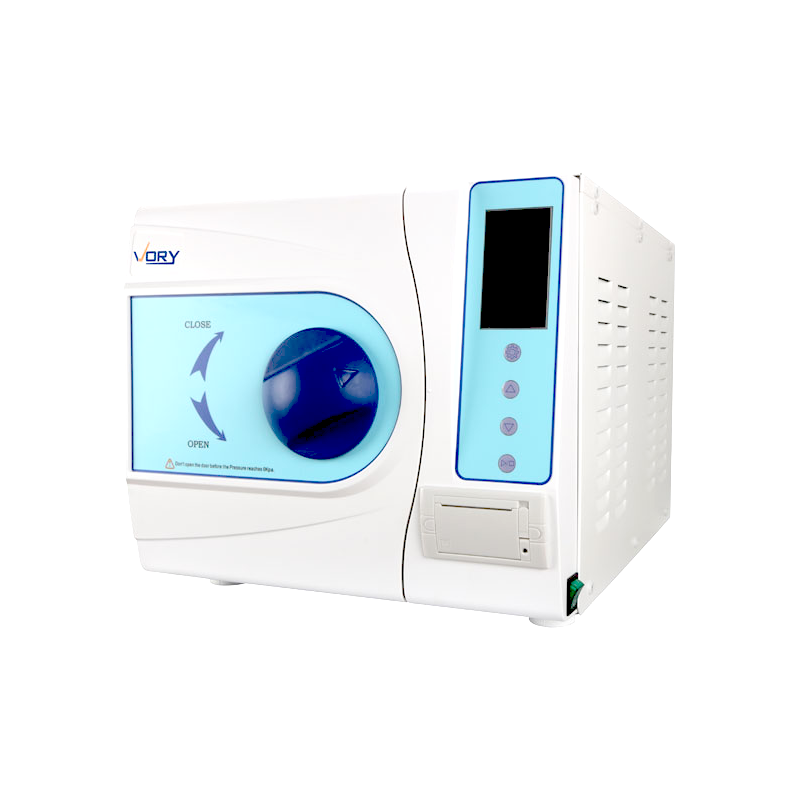
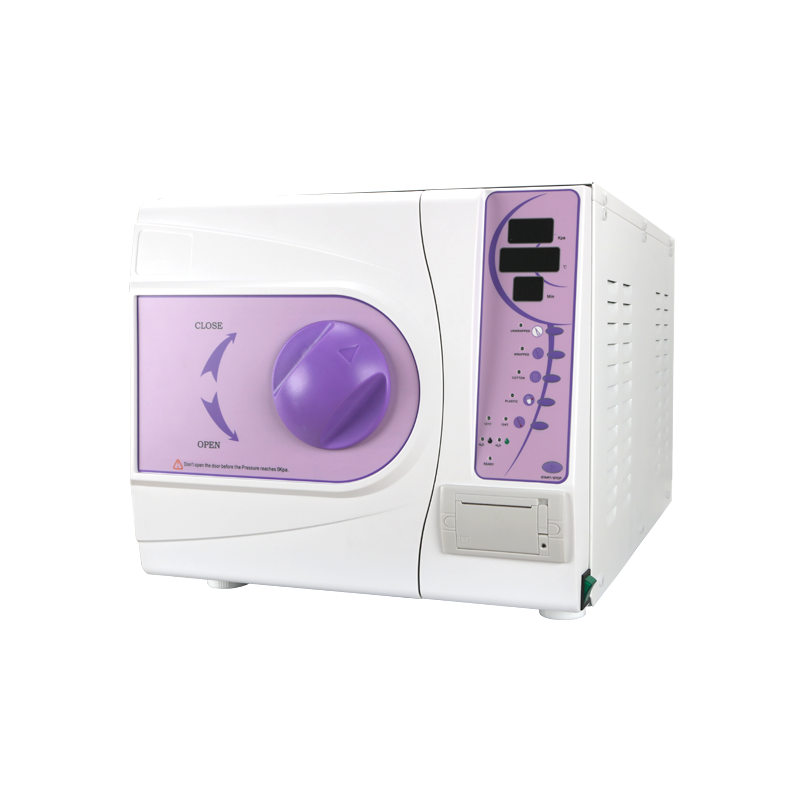
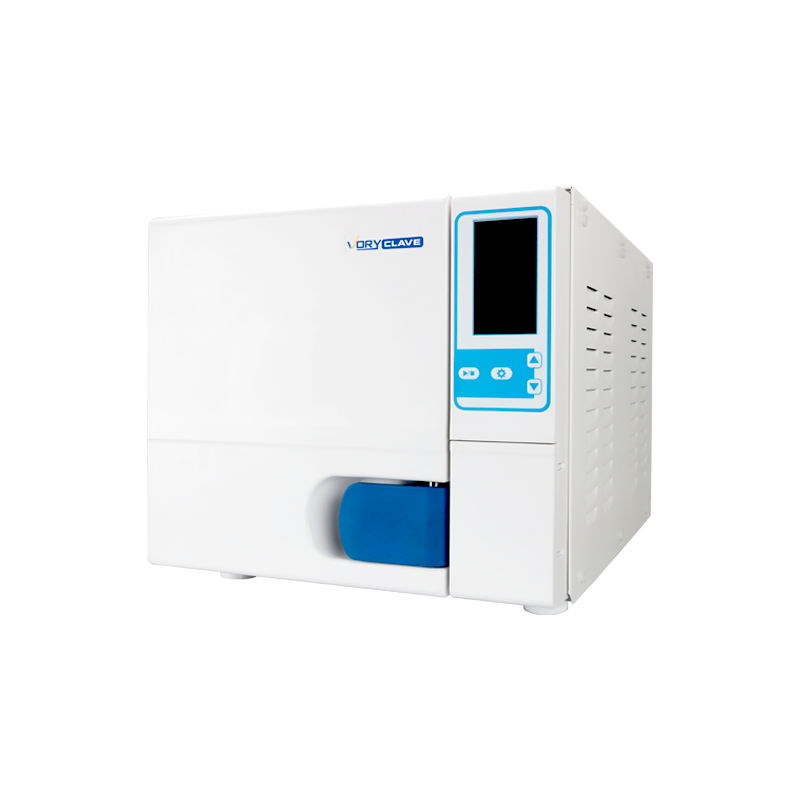
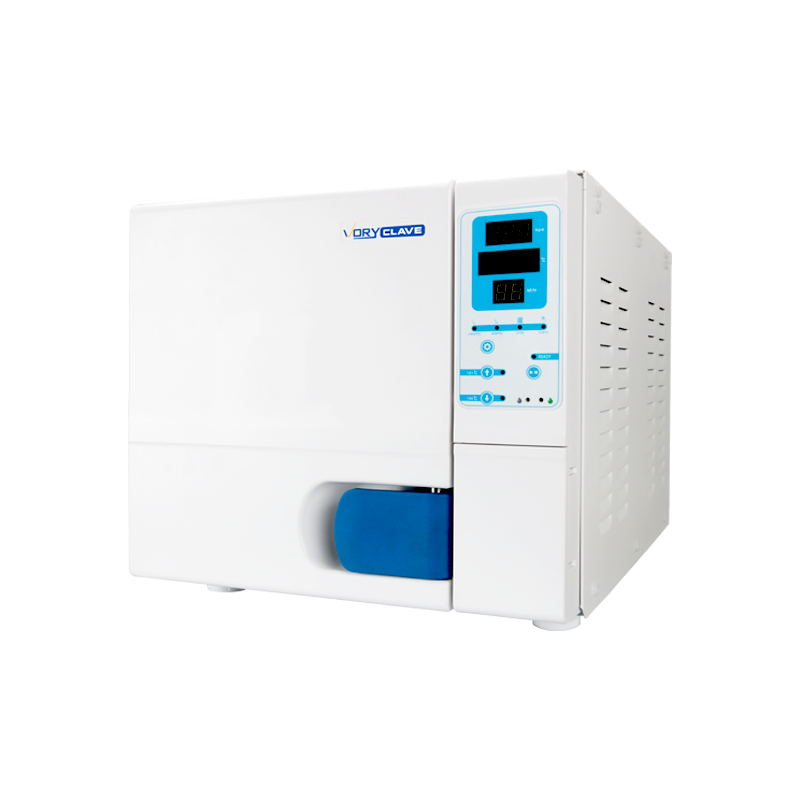
Class B dental autoclaves represent the highest standard in steam sterilization for medical and dental practices. This category of equipment utilizes a fractional pre-vacuum system, ensuring comprehensive air removal from both solid and hollow instruments, including complex dental handpieces and porous loads. This process is necessary to achieve consistent steam penetration, meeting the stringent requirements of the EN 13060 standard. The operational design integrates automatic control systems for temperature, pressure, and cycle timing, minimizing user intervention and enhancing process reliability. Units in this category are equipped with internal data logging capabilities to document sterilization cycles for compliance and record-keeping purposes. Consistent performance and safety are core design elements, supporting high-throughput clinic environments and ensuring patient safety protocols are maintained. This equipment is designed for long-term use with minimal maintenance requirements, making it a sustainable asset for professional healthcare settings. The robust construction and precise engineering provide dependable sterilization outcomes across various instrument types and loading configurations. This equipment is foundational for preventing cross-contamination in modern healthcare.

Hot Products

Specification

ParameterDetail
Sterilization StandardEN 13060, Class B
Chamber Capacity Range12L, 18L, 23L
Operating Temperature121°C / 134°C
Vacuum SystemFractional Pre-Vacuum & Post-Drying
Cycle MonitoringDigital Display, Integrated Printer Port
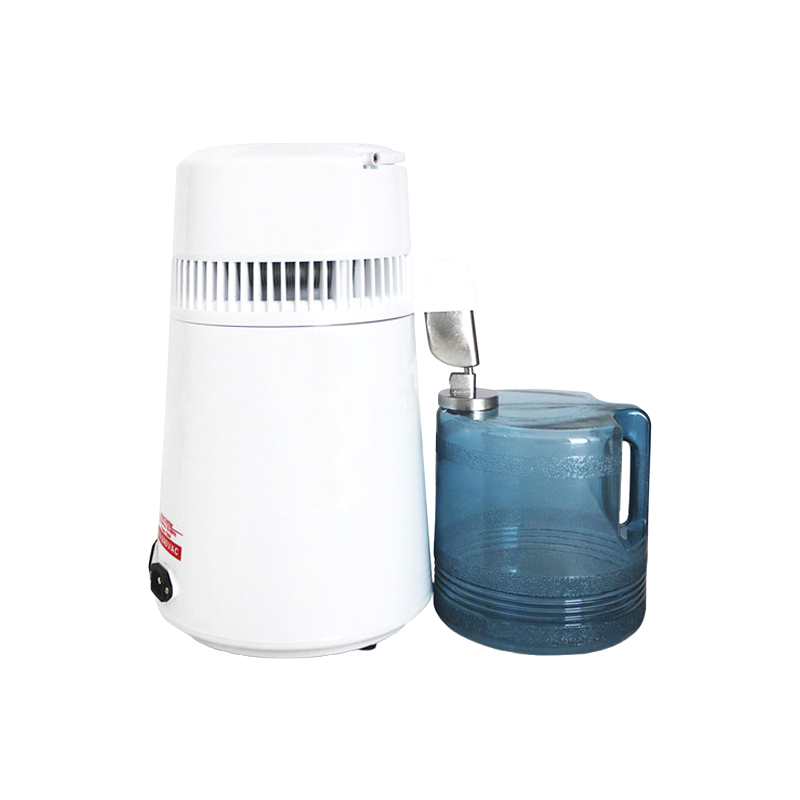
Water Quality RequirementDistilled or Deionized Water
Material304/316 Stainless Steel Chamber
Power SupplyAC 110V/220V, 50/60Hz

Application

The primary operational environment for Class B autoclaves is within dental clinics and specialized medical practices where complex, hollow instruments (Type A and Type B) are routinely sterilized. This includes surgical centers, orthodontics, periodontics, and general dentistry. The vacuum function is essential for instruments like turbine handpieces, endoscopes, and cannulated tools that trap air pockets, which conventional gravity displacement sterilizers cannot adequately address. Beyond dentistry, these units are suitable for small-scale surgical suites, specialized laboratories, and veterinary clinics requiring validated sterilization of wrapped and unwrapped loads, including textiles. The ability to process diverse loads efficiently makes these units critical for high-volume instrument reprocessing centers. Utilization extends to plastic surgery clinics and dermatology centers where instruments penetrate the skin. Consistent adherence to international standards allows for seamless deployment in globally regulated healthcare markets. Proper application of these sterilizers ensures that all procedural instruments meet the highest sterility assurance levels before patient contact.

Transaction Details

Payment terms are typically structured based on the order volume and buyer relationship, commonly involving a Telegraphic Transfer (T/T) deposit with the balance due upon shipment against the Bill of Lading (B/L). We also accept Letters of Credit (L/C) for larger, high-value international transactions, providing security for both parties. Shipping is facilitated via FOB (Free On Board) or CIF (Cost, Insurance, and Freight) terms, depending on the buyer's preference and logistics requirements. Due to the equipment's weight and sensitivity, packaging utilizes industrial-grade materials, including reinforced wooden crates and shock-absorbing foam inserts to protect electronic and mechanical components during sea freight or air cargo transport. Lead times for standard models range from 15 to 30 days following deposit confirmation, with custom or OEM specifications requiring additional manufacturing time. Air freight options are available for urgent replacements, though sea freight remains the most cost-effective solution for capital equipment.

FAQ

  • Q: What is the primary distinction between a Class B and a Class N autoclave?
  • A: A Class B autoclave utilizes an active vacuum pump system to remove air from the chamber and load, making it suitable for all load types (solid, hollow, porous, wrapped). A Class N autoclave uses gravity displacement, limiting its use to unwrapped solid instruments only.
  • Q: How often must the B-D (Bowie-Dick) test be performed?
  • A: The B-D test must be performed daily or at the beginning of each day's sterilization cycle in Class B autoclaves. This test verifies the efficiency of the vacuum system and steam penetration for porous loads.
  • Q: What type of water is required for the steam generator?
  • A: Only distilled or deionized water (conductivity below 15 µS/cm) is recommended. Using tap water can lead to mineral buildup (scale) inside the chamber and steam generator, which compromises sterilization effectiveness and leads to premature equipment failure.
Recommended LINS: Class B Autoclaves Dental Autoclaves Class S Autoclaves Class N Autoclaves

Wanrui Medical Instrument

Our products are mainly exported to over 30 countries such as USA,Germany,Japan,Spain,Italy,UK,Korea,Australia,Canada,Iraq,Algeria and etc. Ningbo Wanrui obtains customer's trust through honesty and sincerity, and redounds on customers by superior quality & high-tech product. We commit our selves to making friends both in China and oversea by our exceptional products and complete service service! "Keep improving, serve our customers" is our goal, we sincerely look forward to cooperating with you!
Please Feel Free To Contact Us

If you have any question for the installation
or need support, please feel free to contact us.

86-15728040705
86-18957491906

86-15728040705
86-18957491906