86-15728040705

Hospital Grade Autoclaves

-- Steady & Reliable Manufacturer --

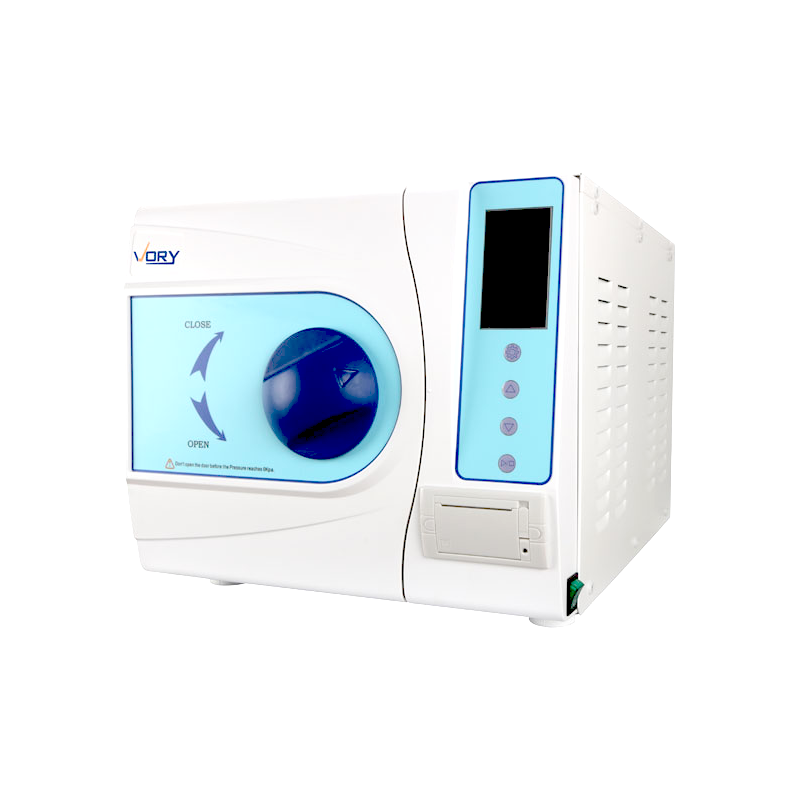
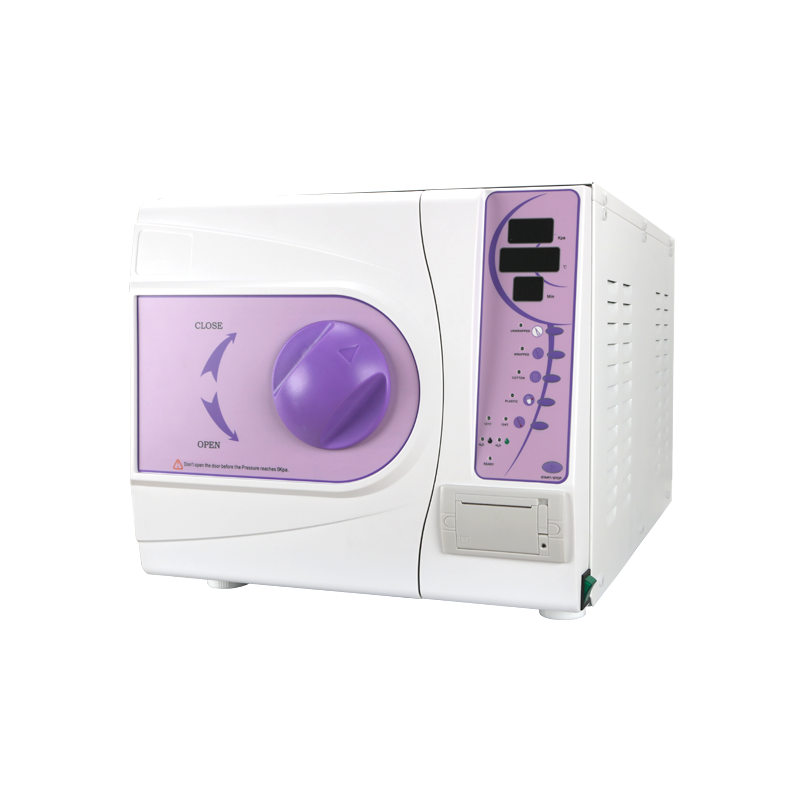
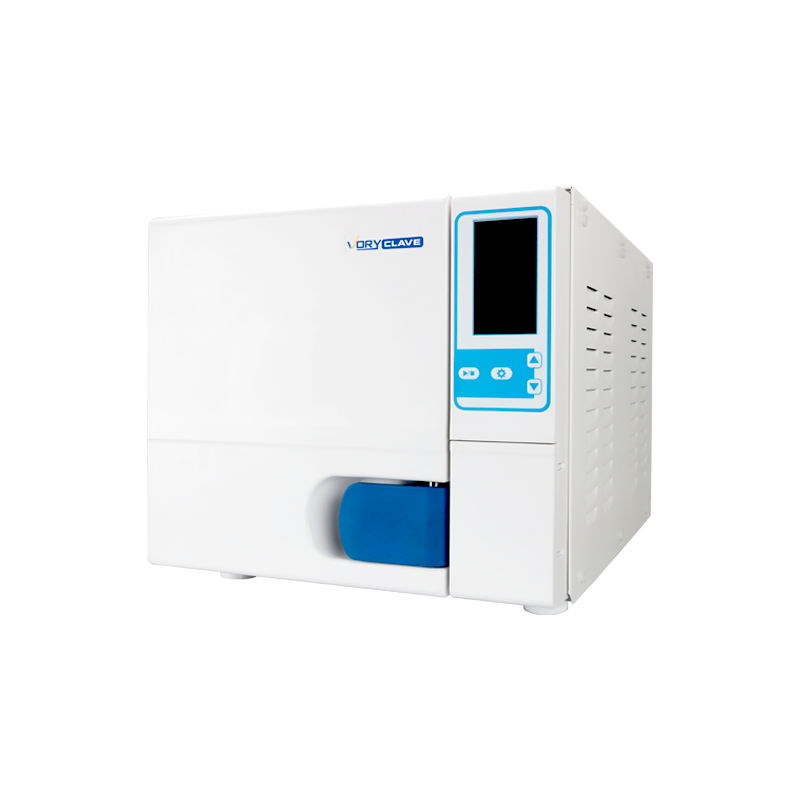
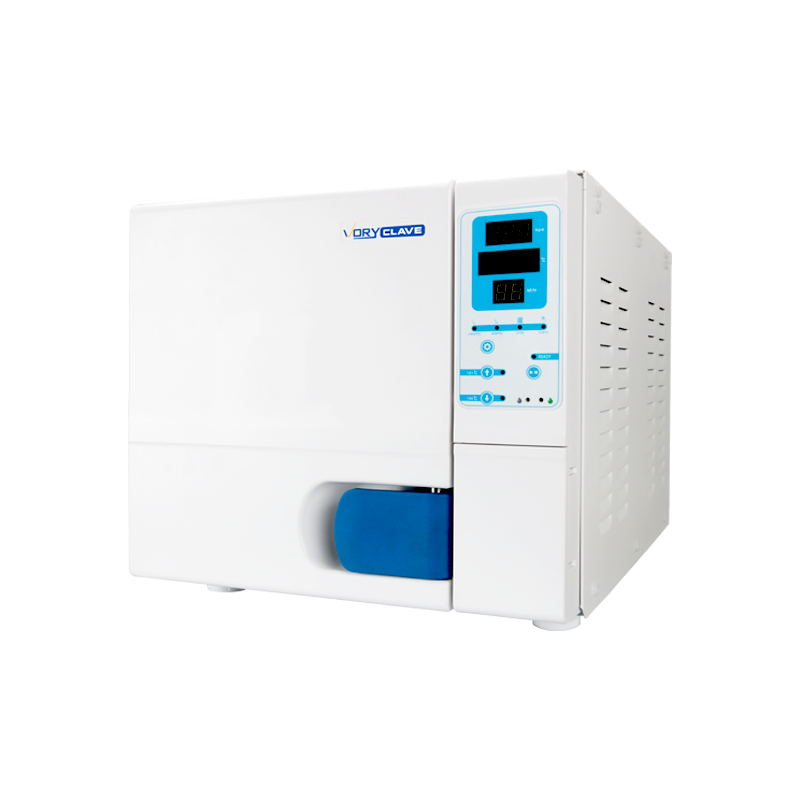
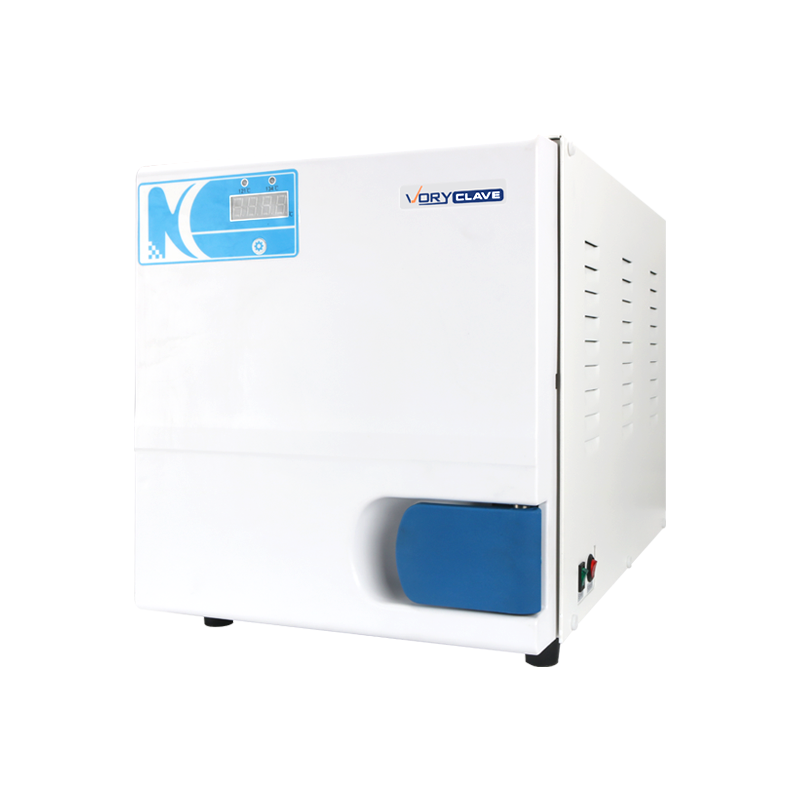
Hospital grade autoclaves are sterilization units specifically engineered and validated to meet the demanding workload and stringent efficacy requirements of centralized sterile services departments (CSSD) and operating room suites. These units typically feature larger chambers, robust Class B pre-vacuum technology, and advanced automation to handle high volumes of complex instruments, linen packs, and surgical kits. The key differentiators are high durability, rapid cycle times, and comprehensive data logging capabilities required for audit and patient safety traceability in a hospital setting. Construction utilizes superior-grade stainless steel and components designed for continuous, round-the-clock operation. Compliance with global standards such as EN 13060 or equivalent national regulatory bodies is standard. These sterilizers ensure the integrity of the entire sterilization process, from air removal to steam penetration and final drying. They are a capital investment supporting the critical function of infection prevention across all hospital departments, handling everything from routine equipment to specialized surgical devices. The design focuses on reliability and minimizing downtime in mission-critical environments.

Hot Products

Specification

ParameterDetail
Sterilizer ClassificationClass B (Pre-Vacuum) – Mandatory
Capacity23 Liters and Above (Typically)
Operational LifespanDesigned for High-Volume, Continuous Use
Traceability SystemIntegrated Data Logger and Printer/Network Port
Steam SourceIntegrated High-Capacity Steam Generator
Water Quality MonitoringBuilt-in Conductivity Meter (Common)
Chamber Material316L Medical Grade Stainless Steel
Standard ComplianceEN 13060, CE, FDA (If applicable)

Application

The primary operational context for hospital grade autoclaves is the Central Sterile Services Department (CSSD) within medium to large medical centers. They are the essential backbone for reprocessing all reusable surgical instruments, ensuring a constant supply of sterile items for operating theaters, intensive care units, and various clinical wards. They are also installed directly in specialized surgical suites, such as those for ophthalmology or cardiac procedures, where highly specialized and sensitive instruments require on-site sterilization. Their large capacity and fast cycles are necessary to keep up with the rapid turnover of instruments between surgeries. Beyond surgical applications, they are used in hospital laboratories for sterilizing bulkier research materials, waste, and large volumes of culture media. The requirement for comprehensive, tamper-proof cycle records makes them indispensable for institutional accreditation and liability management. Their robust nature also makes them suitable for high-demand veterinary hospitals and large military medical facilities globally.

Transaction Details

Acquisition of hospital grade equipment is typically managed via government tender or large institutional purchasing contracts. Payment schedules are often phased, including a mobilization T/T deposit (e.g., 30%), a milestone payment upon factory inspection, and the final payment (e.g., 10%) upon successful installation and commissioning at the hospital site. Full commercial L/C terms are also commonly accepted. Shipping is exclusively managed through specialized cargo carriers under CIF or DDP (Delivered Duty Paid) terms, given the equipment's size and value. Packaging utilizes custom-built, heat-treated wooden crates with precision shock absorption. Installation and commissioning support by factory-certified technicians are often included in the contract terms. Comprehensive factory warranties and a guaranteed supply of spare parts for a minimum period (e.g., 10 years) are critical components of the sale agreement. All customs and regulatory documentation must be prepared to the highest standard.

FAQ

  • Q: What is the typical daily instrument throughput capacity?
  • A: Throughput varies greatly by chamber size and cycle type, but hospital grade autoclaves are designed to handle 8 to 15 large sterilization cycles per 8-hour shift, or continuous operation (20+ cycles) over a 24-hour period.
  • Q: What are the key maintenance requirements for these large units?
  • A: Maintenance includes daily B-D tests, weekly cleaning of the chamber and filters, quarterly validation checks by a certified engineer, and annual preventative maintenance involving replacement of gaskets, seals, and fluid checks.
  • Q: Can this equipment sterilize liquids and medical waste?
  • A: Yes, hospital grade autoclaves include specialized, programmable cycles for sterilizing liquids (with slow cooling) and biohazardous medical waste (using extended exposure times), ensuring safe and compliant disposal.
Recommended LINS: Dental Autoclaves 23 Liter Autoclaves Pharmaceutical Grade Sterilizers Large Capacity Lab Autoclaves

Wanrui Medical Instrument

Our products are mainly exported to over 30 countries such as USA,Germany,Japan,Spain,Italy,UK,Korea,Australia,Canada,Iraq,Algeria and etc. Ningbo Wanrui obtains customer's trust through honesty and sincerity, and redounds on customers by superior quality & high-tech product. We commit our selves to making friends both in China and oversea by our exceptional products and complete service service! "Keep improving, serve our customers" is our goal, we sincerely look forward to cooperating with you!
Please Feel Free To Contact Us

If you have any question for the installation
or need support, please feel free to contact us.

86-15728040705
86-18957491906

86-15728040705
86-18957491906