Content
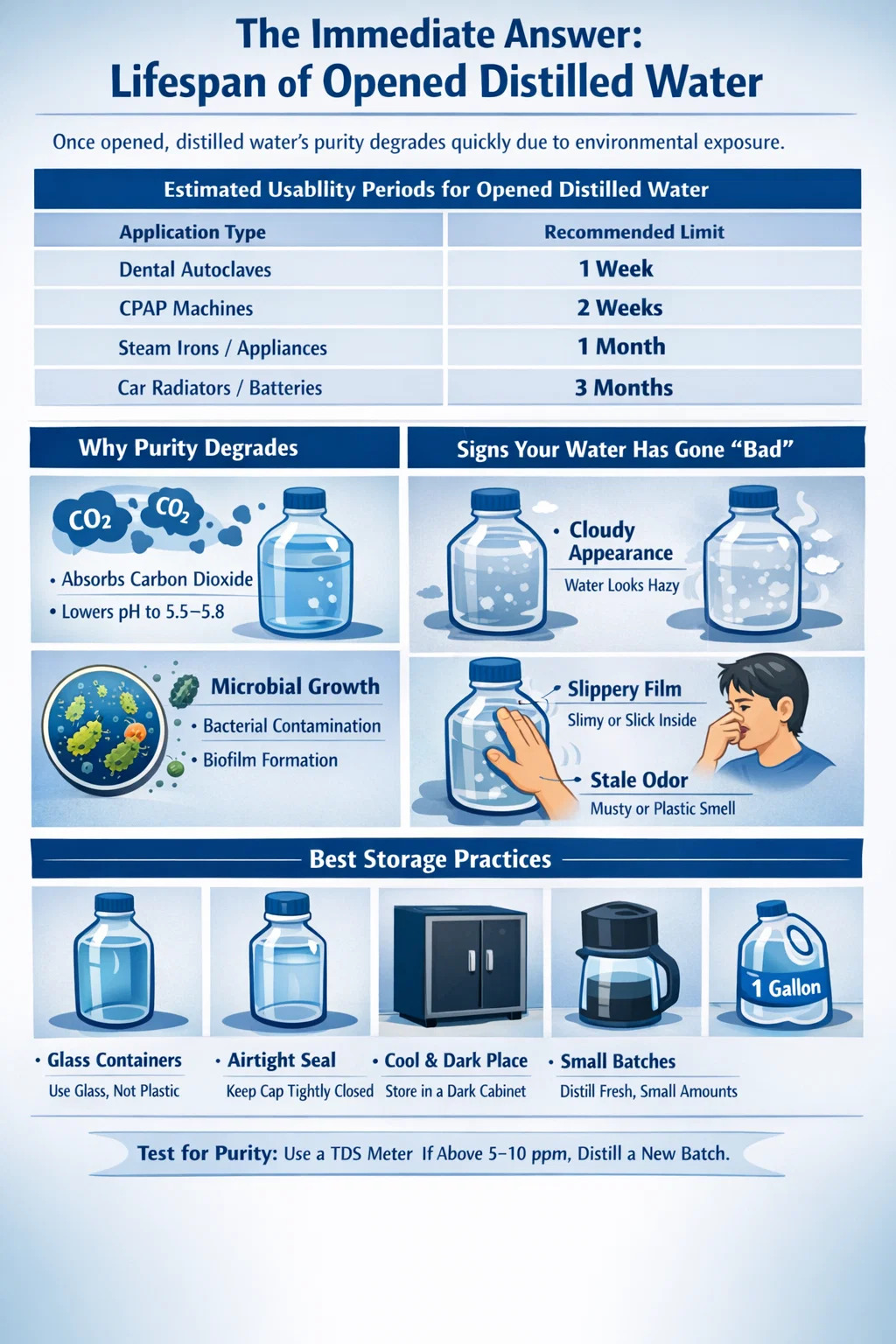
Once a bottle of distilled water is opened, its high-purity status begins to degrade due to exposure to the environment. For medical or dental purposes—such as use in an autoclave—opened distilled water generally lasts 7 to 14 days if stored correctly in a cool, dark place. For household appliances like steam irons or humidifiers, it can remain usable for up to 30 days. While the water does not "spoil" in the same way food does, it aggressively absorbs carbon dioxide and airborne particulates, which can change its pH level and introduce microscopic contaminants that negate the benefits of using a water distiller.
The moment the seal is broken, several environmental factors begin to act upon the water. Distilled water is often referred to as "hungry" water because it lacks minerals and seeks to reach an equilibrium with its surroundings.
Distilled water absorbs carbon dioxide (CO2) from the air almost immediately upon exposure. This chemical reaction produces weak carbonic acid, which can drop the pH of the water from a neutral 7.0 to as low as 5.5 or 5.8. For sensitive laboratory work or specific medical equipment, this shift in acidity can be problematic.
Although the distillation process kills bacteria and viruses, opened water is no longer sterile. Airborne spores or bacteria from hands touching the cap can find a home in the water. Without chlorine or minerals to inhibit growth, small colonies can develop over several weeks, especially if the container is left in direct sunlight.
The "shelf life" of opened distilled water depends heavily on what you intend to do with it. Purity requirements for a car battery are vastly different from those of a dental surgical center.
| Application Type | Recommended Limit | Reason for Limit |
|---|---|---|
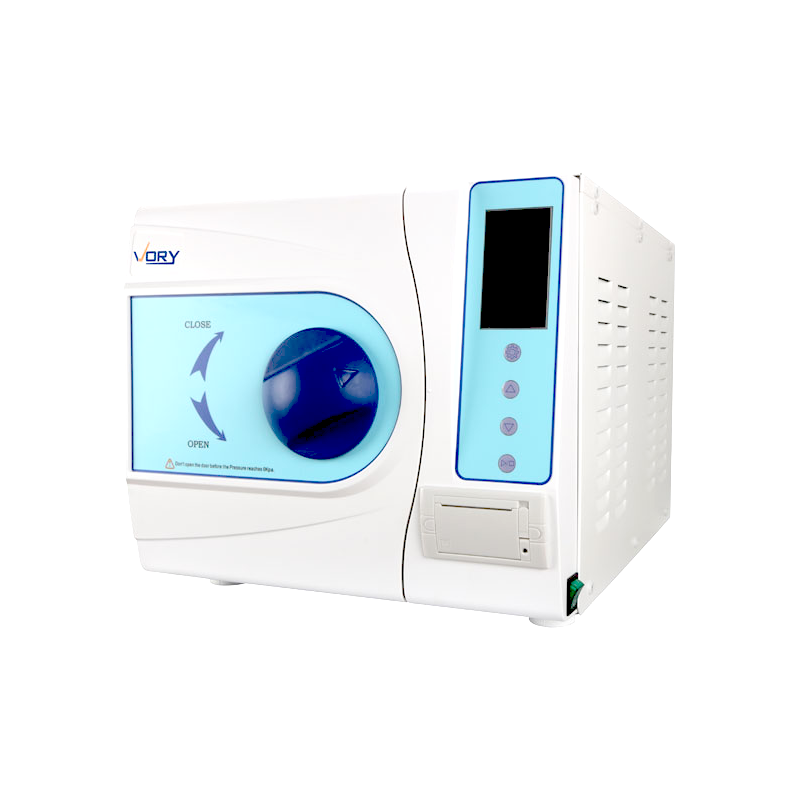
| Dental Autoclaves | 1 Week | Prevents biofilm in internal lines |
| CPAP Machines | 2 Weeks | Reduces risk of respiratory irritation |
| Steam Irons/Appliances | 1 Month | Minerals remain low regardless of age |
| Car Radiators/Batteries | 3 Months | Conductivity remains sufficiently low |
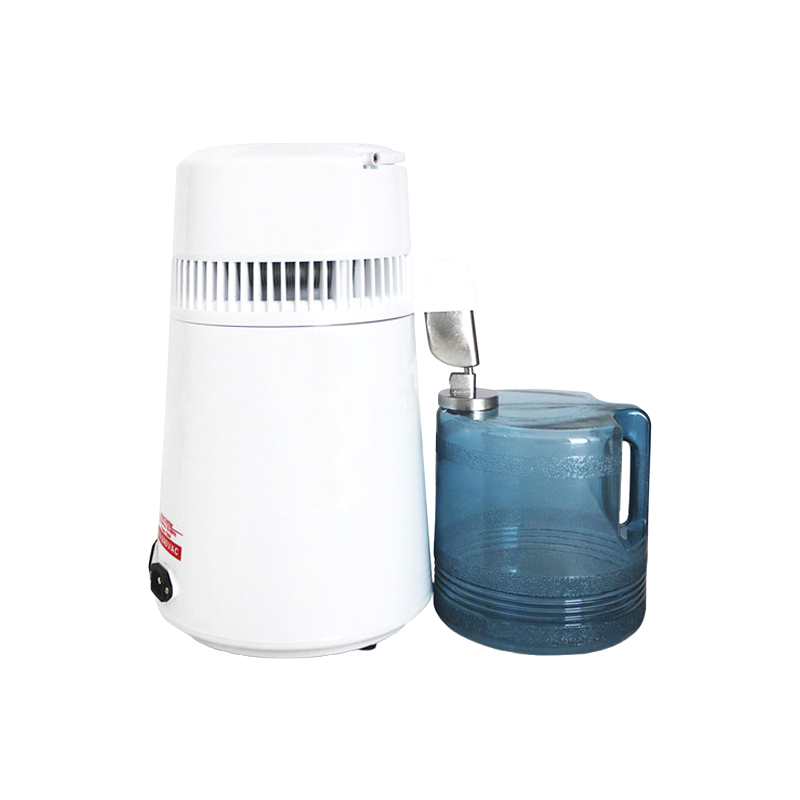
If you use an in-house water distiller, you have the advantage of producing fresh batches on demand. To maintain the highest quality, follow these storage protocols:
Since distilled water is clear and odorless, detecting contamination requires attention to detail. If you notice any of the following, the water should be discarded and the container sanitized:
For those managing a dental clinic, testing the water with a TDS meter (Total Dissolved Solids) is a constructive way to verify purity. If the reading rises above 5–10 ppm, it is time to run a new cycle through your water distiller.
If you have any question for the installation
or need support, please feel free to contact us.
86-15728040705
86-18957491906

 English
 عربى
عربى

