86-15728040705

Stainless Steel Ultrasonic Tanks

-- Steady & Reliable Manufacturer --

Stainless steel ultrasonic tanks refer to the core structural component of professional ultrasonic cleaners, emphasizing the quality of the tank material. These tanks are exclusively fabricated from high-grade stainless steel (typically 304 or 316), chosen for its superior corrosion resistance against water, heat, and the array of aggressive enzymatic and neutral pH cleaning detergents used in medical and laboratory settings. The durability of the tank is crucial, as it must withstand continuous exposure to high-frequency vibration and heat without developing pits, cracks, or leaks, which would compromise the cleaner's function. The tank design features smooth, crevice-free surfaces to prevent the buildup of bacteria and debris, simplifying cleaning and maintenance. Thicker-gauge stainless steel is used in professional models to dampen external noise and ensure the full transmission of ultrasonic energy into the cleaning solution. This material quality is a key indicator of the equipment's overall longevity and reliability in a professional, high-demand environment.

Hot Products

Specification

ParameterDetail
Material GradeSUS 304 or SUS 316 Stainless Steel
Gauge/ThicknessHeavy Gauge (Designed for Continuous Vibration)
FinishSmooth, Polished Interior (Easy to Clean)
ResistanceHigh Corrosion and Chemical Resistance
WeldingSeam-free or Precision Welded Joints
Tank ShapesRectangular or Square (Optimized for Instrument Trays)
Temperature StabilityDesigned for use with Integrated Heaters
MaintenanceSimple Wipe-Down and Rinse Procedures

Application

These stainless steel tank units are indispensable across all sectors of instrument cleaning, from dental and medical sterile processing to industrial parts cleaning. They are crucial in environments where strong chemical agents or long exposure times are necessary, such as specialized pathology laboratories and forensics centers. The corrosion resistance of the stainless steel ensures the tank integrity is maintained when cleaning solutions, which contain salts and other corrosive elements, are used. In hospital CSSD settings, the durability of the tank is paramount due to the high volume of daily cycles. The polished interior finish is vital for preventing the adhesion of bio-burden and facilitating thorough rinsing, minimizing the risk of cross-contamination. Furthermore, the tank's material stability ensures consistent transmission of ultrasonic waves across the entire cleaning area, which is essential for uniform cleaning results across a large batch of instruments. The material quality speaks directly to the professionalism of the infection control process.

Transaction Details

For units featuring superior stainless steel tanks, payment terms are typically 30% T/T deposit, with the final balance due prior to shipment release. Due to the tank's inherent durability, packaging focuses on protecting the external controls and transducers. Shipping is conducted under standard Incoterms (FOB, CIF), and the equipment can be efficiently containerized for international distributors. We provide detailed material certification (e.g., 304/316 grade proof) upon request for institutional buyers with strict material sourcing guidelines. For large-volume orders, price tiers reflect the material cost and manufacturing complexity. The warranty specifically covers the structural integrity of the stainless steel tank against corrosion-related failure under normal operational conditions for an extended period. Customers should be advised to always use the drain valve and avoid manually scooping used, potentially corrosive solution out of the tank to prolong its service life.
FAQ

  • Q: Is 304 or 316 stainless steel better for the tank?
  • A: 316 stainless steel offers superior resistance to pitting corrosion, especially in environments where chlorine-containing compounds or harsh chemicals are occasionally used. 304 is standard and excellent for most water/detergent uses.
  • Q: How do I prevent mineral buildup (scale) on the stainless steel?
  • A: Using distilled or deionized water is the best prevention method. If scale occurs, it can typically be removed with a mild acid solution (e.g., vinegar) followed by a thorough rinse, but harsh abrasives should be avoided.
  • Q: Does the thickness of the tank matter?
  • A: Yes. A thicker gauge stainless steel tank provides better sound insulation, reduced external noise, and increased durability against the constant stress of ultrasonic vibration and heat cycles.
Recommended LINS: Stainless Steel Water Distillers Professional Ultrasonic Cleaners Heated Ultrasonic Baths Digital Ultrasonic Cleaners

Wanrui Medical Instrument

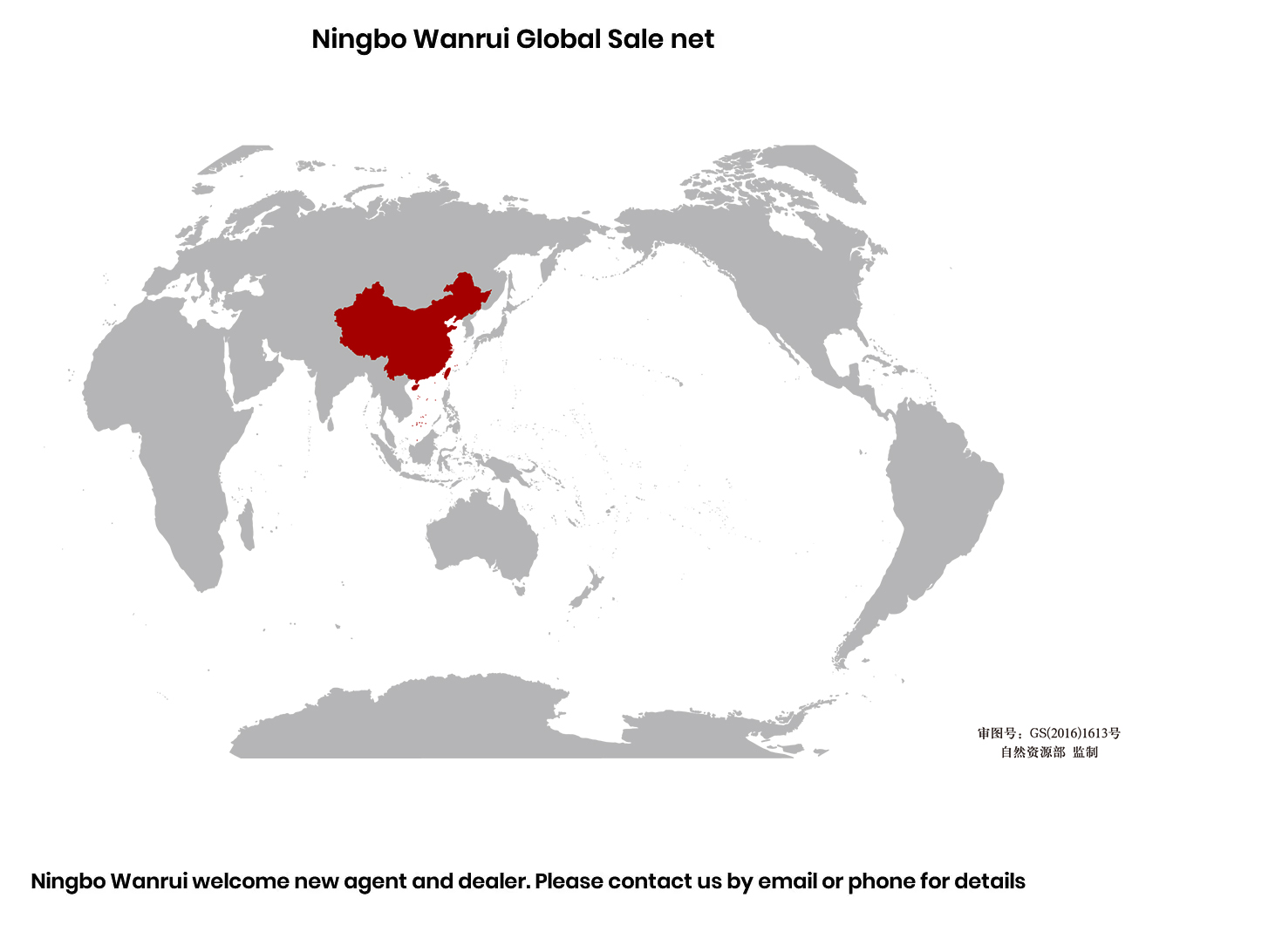
Our products are mainly exported to over 30 countries such as USA,Germany,Japan,Spain,Italy,UK,Korea,Australia,Canada,Iraq,Algeria and etc. Ningbo Wanrui obtains customer's trust through honesty and sincerity, and redounds on customers by superior quality & high-tech product. We commit our selves to making friends both in China and oversea by our exceptional products and complete service service! "Keep improving, serve our customers" is our goal, we sincerely look forward to cooperating with you!
Please Feel Free To Contact Us

If you have any question for the installation
or need support, please feel free to contact us.

86-15728040705
86-18957491906

86-15728040705
86-18957491906