
 English
 عربى
عربىIndustry News
Home / News / Industry News / What a Dental Sterilization Machine Actually Does — and Why It Matters?
Content
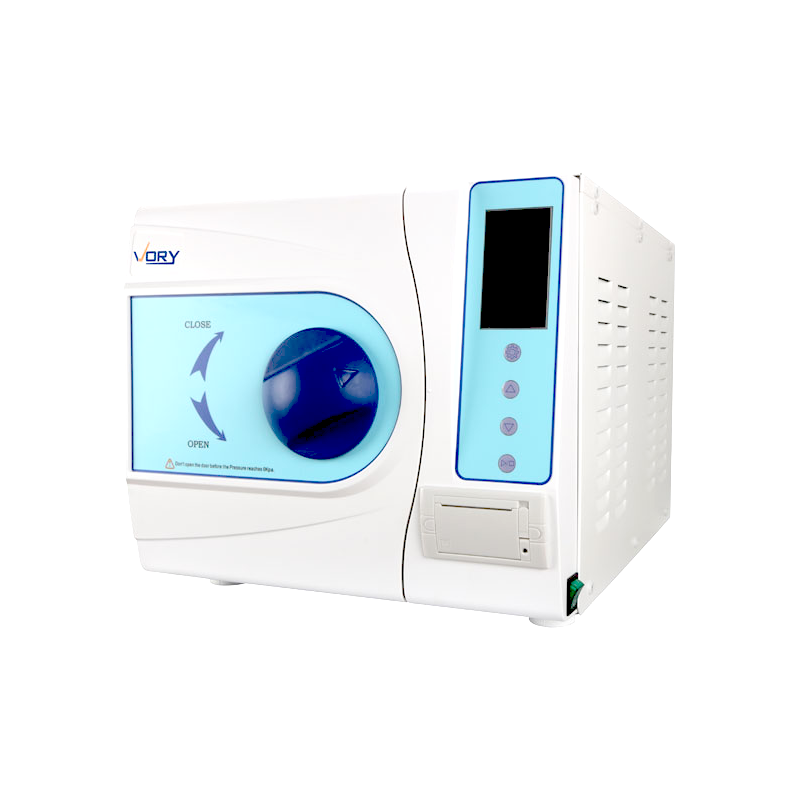
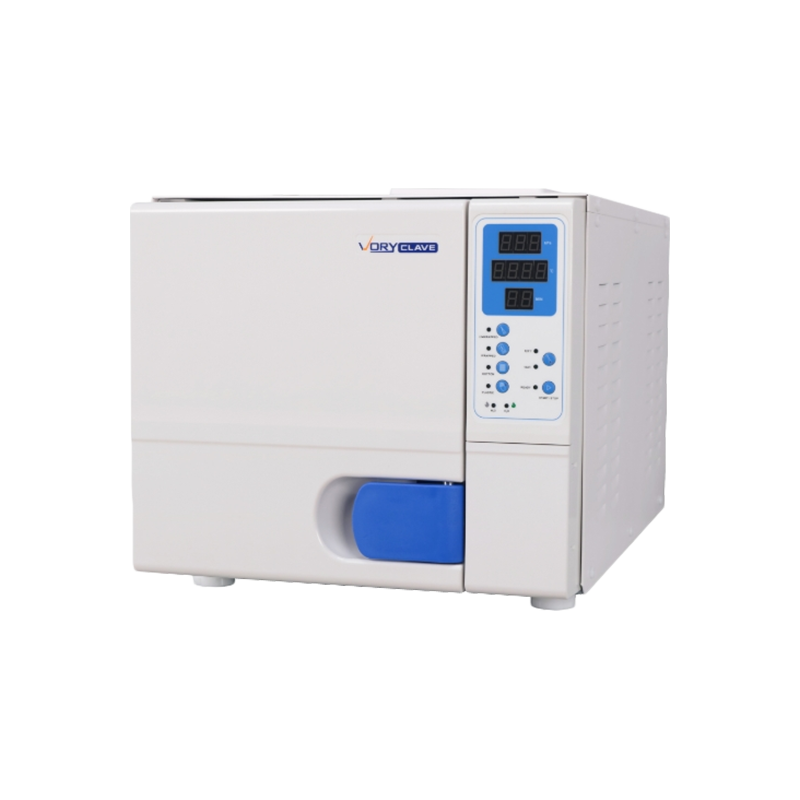
A dental sterilization machine eliminates all forms of microbial life — including bacterial spores, viruses, and fungi — from instruments that come into contact with patient tissue. The most widely used type is the dental autoclave, which achieves sterilization through pressurized saturated steam at temperatures between 121°C and 134°C. This is not mere disinfection: sterilization reaches a Sterility Assurance Level (SAL) of 10⁻⁶, meaning the probability of a viable microorganism surviving is less than one in one million.
Every dental practice that uses handpieces, scalers, forceps, mirrors, or any other reusable instrument is legally and ethically obligated to run an effective sterilization cycle before those items touch another patient. Failure to do so has resulted in public health notifications, clinic closures, and in documented cases, transmission of bloodborne pathogens including hepatitis B and C. The dental autoclave sits at the center of infection control protocols worldwide — from the CDC's Guidelines for Infection Control in Dental Health-Care Settings to the EN 13060 standard in Europe and the TGA regulatory framework in Australia.
If you are evaluating, purchasing, or operating a dental sterilization machine, this guide covers everything you need to make sound decisions: how the technology works, which class of autoclave fits your practice volume, what the critical operational parameters are, and how to maintain compliance over time.
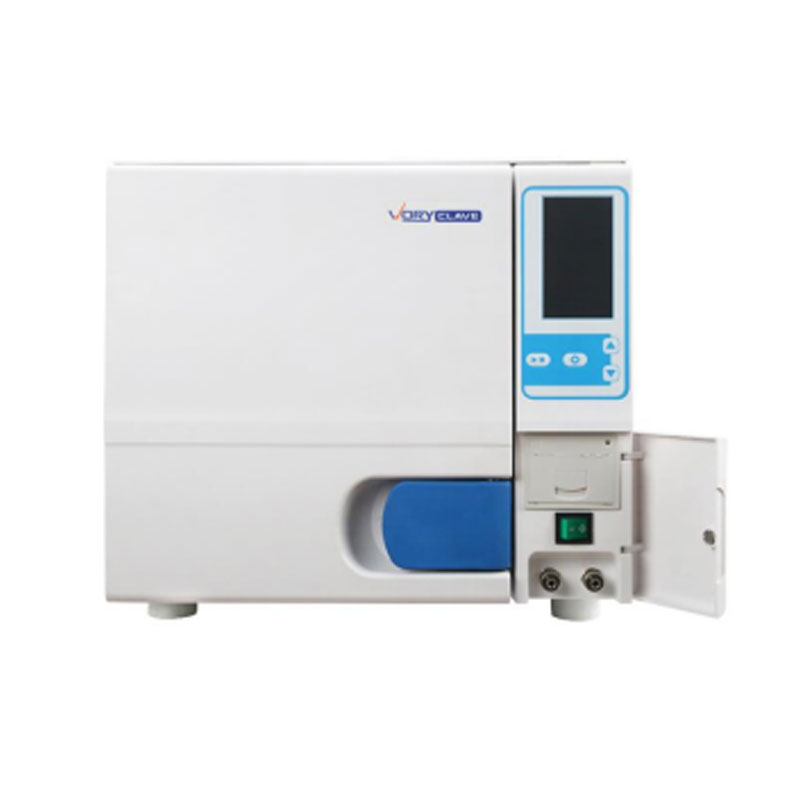
The dental autoclave operates on a straightforward thermodynamic principle: pressurized steam carries far more energy than dry heat at the same temperature, and it transfers that energy rapidly and uniformly to instrument surfaces, denaturing proteins and destroying nucleic acids in microorganisms.
All three variables must be met simultaneously throughout the entire chamber. If air is not fully evacuated before steam injection, cold spots form — areas where the steam-air mixture reduces the effective temperature, leaving microorganisms alive. This is why the type of air removal system in a dental sterilization machine is not a trivial design detail but a functional determinant of whether sterilization actually occurs.
In a gravity displacement autoclave, steam enters from the top of the chamber and pushes air downward through a drain at the bottom. This works well for unwrapped solid instruments but is unreliable for hollow items, porous loads, or anything with lumens — like dental handpieces. Air pockets trapped inside lumens prevent steam contact entirely.
A pre-vacuum (Class B) dental autoclave uses one or more vacuum pulses before steam admission, actively removing air from the chamber and from inside hollow instruments. This makes it the only autoclave type validated for sterilizing dental handpieces. The EN 13060 standard in Europe formally defines Class B as capable of sterilizing all types of loads, including small hollow loads (Type B hollow) and porous loads (Type B porous). In contrast, Class N autoclaves handle only unwrapped, non-hollow solid items, and Class S sits in between with a manufacturer-defined scope.
Selecting the wrong autoclave class is one of the most common compliance errors in dental practice setup. The classification system under EN 13060 directly determines which instruments can be sterilized in a given machine.
| Autoclave Class | Air Removal Method | Solid Unwrapped | Wrapped Instruments | Hollow/Lumened Items | Handpieces |
|---|---|---|---|---|---|
| Class N | Gravity displacement | YES | NO | NO | NO |
| Class S | Manufacturer-defined | YES | Partial | Partial | (usually) |
| Class B | Fractional pre-vacuum | YES | YES | YES | YES |
For any general dental practice that uses handpieces — which is every practice — a Class B dental autoclave is the minimum appropriate choice. Class N units should only be considered for facilities that exclusively use solid, unwrapped instruments and have no wrapped instrument storage requirements, which is an extremely limited scope in clinical dentistry.
Class S machines occupy a grey area. Their validated load types are defined by the individual manufacturer rather than a universal standard, so a practice relying on a Class S dental sterilization machine must carefully verify that the specific instruments used are covered by the machine's validation documentation. This requires more administrative diligence and carries higher compliance risk than simply operating a Class B unit.
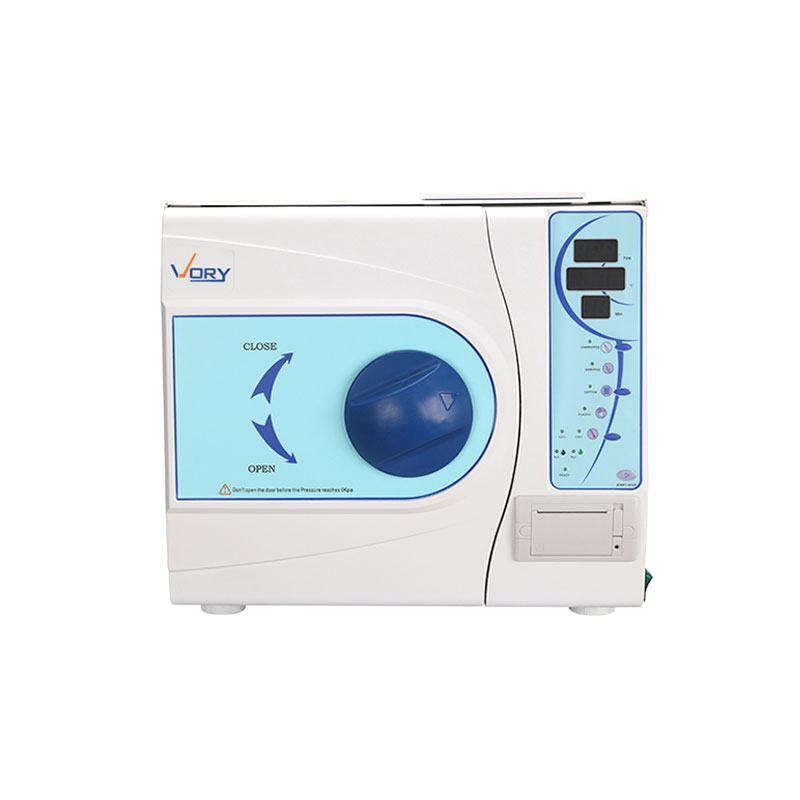
Not every dental autoclave on the market is equal in build quality, reliability, or feature set. When evaluating models, the following specifications directly affect day-to-day usability and long-term cost of ownership.
Dental autoclave chambers are measured in liters. Common sizes range from 6 liters (suitable for a single-chair practice with low patient volume) to 22 liters or larger (required by high-throughput multi-chair practices or oral surgery centers). A practice seeing 20–30 patients per day with three or more operatories will typically need a 17–22 liter Class B unit to avoid processing bottlenecks. Undersizing the sterilization machine is a surprisingly common workflow problem that leads to either rushed cycles or instrument shortages mid-session.
Total cycle time — including heating, sterilization exposure, drying, and cooling to safe handling temperature — varies considerably between models. Entry-level Class B autoclaves often take 45–60 minutes for a full cycle. Premium models with rapid steam generation and optimized drying phases can complete a standard cycle in 20–30 minutes. For practices with tight turnaround times, this difference is significant. Some manufacturers offer "flash" or rapid cycles for unwrapped instruments in emergencies, reducing total time to under 15 minutes, though these are not appropriate for wrapped storage.
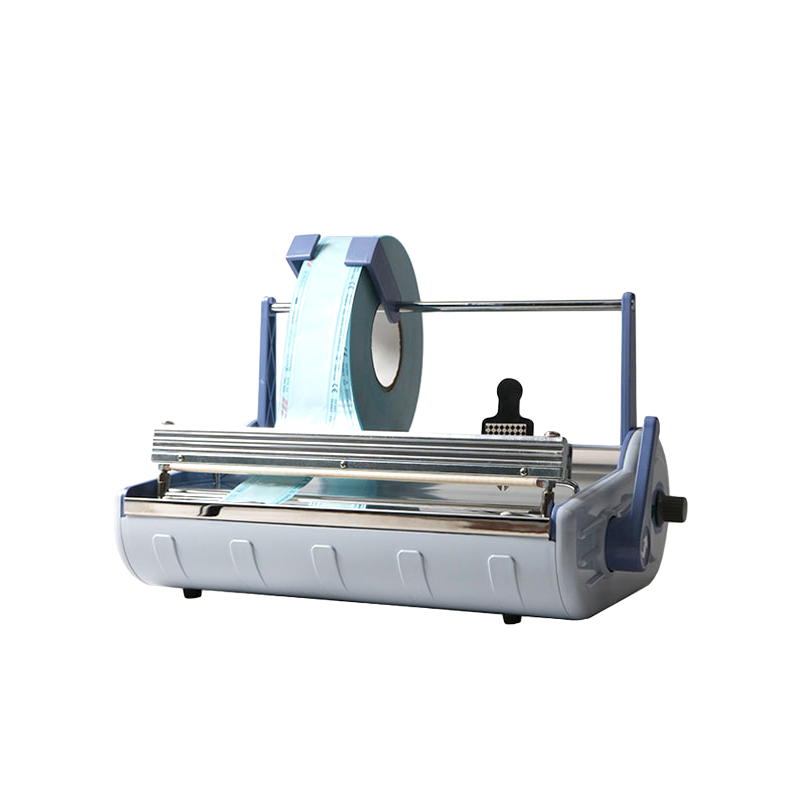
A frequently overlooked specification is drying performance. Instruments exiting the autoclave wet or damp cannot be stored in sterile packaging — moisture wicks microorganisms through the pouch material and compromises sterility. A high-quality dental sterilization machine uses active vacuum-assisted drying to pull moisture from within pouch layers and instrument lumens. Units with passive drying or inadequate vacuum drying cycles consistently fail dryness tests and cause packaging integrity failures in audits.
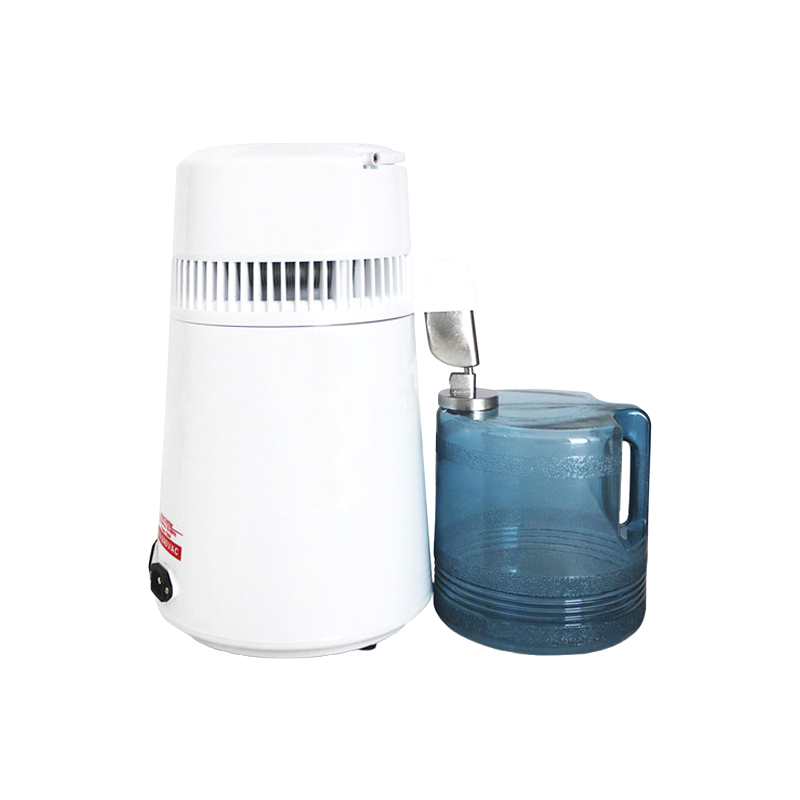
Most dental autoclave manufacturers specify that only distilled or purified water (conductivity ≤15 µS/cm per EN 13060 Annex B) be used. Tap water introduces minerals that deposit on chamber walls, heating elements, and the steam generator, accelerating component wear and affecting steam quality. Many modern units include an onboard water treatment reservoir or a closed-loop distillate recycling system that captures condensate for reuse, reducing both water consumption and the hassle of manual distilled water refilling.
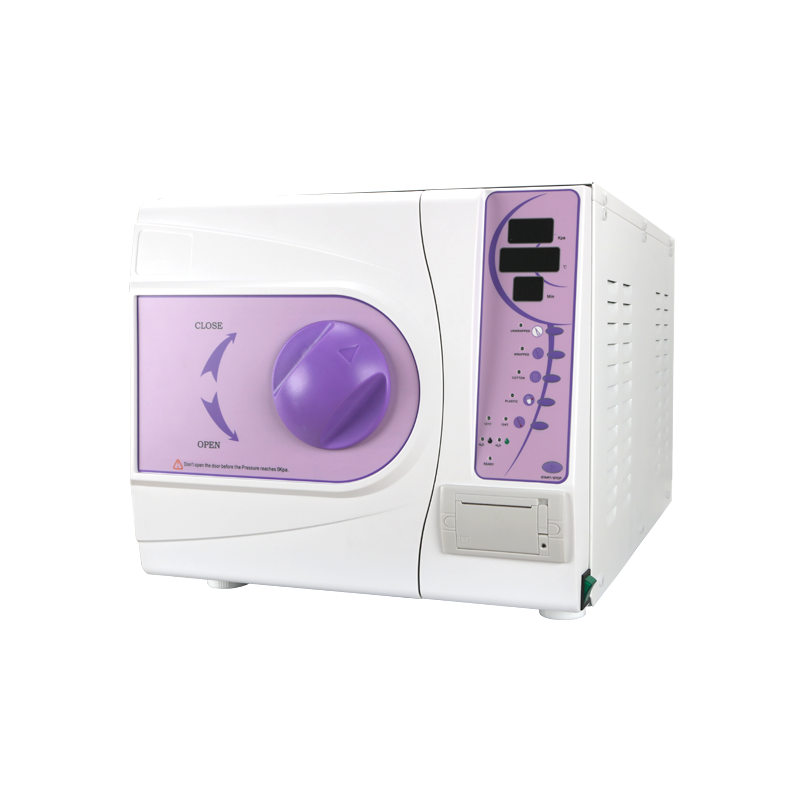
Modern dental sterilization machines increasingly include built-in printers, USB data export, or Wi-Fi connectivity to practice management software. Regulatory requirements in many countries mandate that cycle records be retained for a minimum of 10 years. Autoclaves with integrated data logging reduce manual record-keeping burden and create an unbroken audit trail. Models without any data output capability put the practice in the position of manually recording cycle parameters — an approach prone to error and non-compliance findings during inspections.
The dental sterilization machine market is served by a relatively concentrated group of manufacturers, each with distinct engineering approaches and product lines.
Melag is widely regarded as the benchmark manufacturer in European dental markets. Their Vacuklav and Cliniclave series Class B autoclaves are known for exceptional drying performance and robust build quality. Melag units typically carry a higher upfront cost but are favored in high-volume practices where downtime is commercially damaging. Their MELAcontrol documentation system integrates cycle data logging directly into practice management workflows.
SciCan's Statim cassette autoclave is engineered around speed. Its G4 series can complete a sterilization cycle in as little as 6 minutes for unwrapped instruments by steam-flooding a small cassette chamber rather than a large vessel. This makes it valuable as a chairside rapid-cycle unit, though it is not a replacement for a full-load Class B autoclave — it handles small instrument volumes per cycle. SciCan's SCICAN STATIM 5000 G4 has a 900ml cassette capacity; the 2000 G4 has a 450ml cassette.
Tuttnauer manufactures a broad range from compact tabletop units to large floor-standing autoclaves. Their Elara and Valueklave lines are common in North American dental practices. Tuttnauer is known for wide service network coverage, which reduces downtime risk. Their Elara 11 and Elara 9 Class B models are popular choices for mid-volume practices seeking validated Class B performance with accessible maintenance.
W&H's Lexa series autoclaves are notable for their integration with the company's handpiece maintenance systems. Practices already using W&H handpieces benefit from a streamlined instrument care workflow: lubrication, cleaning, and sterilization can all be managed within the same equipment ecosystem. Their Class B units include full vacuum drying with documentation output, making them well-suited for high-compliance environments.
Midmark's M11 and Ritter M9 are staples in North American dental practices, particularly in markets where ANSI/AAMI standards and FDA clearance are primary compliance frameworks rather than EN 13060. The M11 is a gravity displacement unit — meaning it is technically not a Class B autoclave under European classification — but it carries FDA 510(k) clearance and is commonly used for wrapped solid instrument sterilization in US practice settings where the regulatory distinction between gravity and pre-vacuum is less strictly enforced than in Europe.
Owning a dental autoclave is only the beginning. Regulatory frameworks worldwide require that sterilization machines be routinely tested to confirm they are performing as intended. Three categories of testing apply:
Biological indicators (BIs) contain a known population of highly resistant bacterial spores — typically Geobacillus stearothermophilus at a concentration of 10⁶ spores — and provide the most direct evidence of sterilization efficacy. After running through a dental autoclave cycle, the BI is incubated for 24–48 hours (or processed through a rapid-readout system in 1–3 hours). No growth confirms that the sterilization conditions were lethal to even these resistant test organisms. Most regulatory guidelines recommend BI testing at least weekly, with some jurisdictions or accreditation bodies requiring more frequent testing or BI use with every load of implantable devices.
An important distinction: chemical indicators confirm that conditions were reached; biological indicators confirm those conditions were sufficient to kill resistant spores. Both are required in a complete quality assurance program. A practice relying only on chemical indicators is not meeting the full standard of care expected under most professional guidelines.
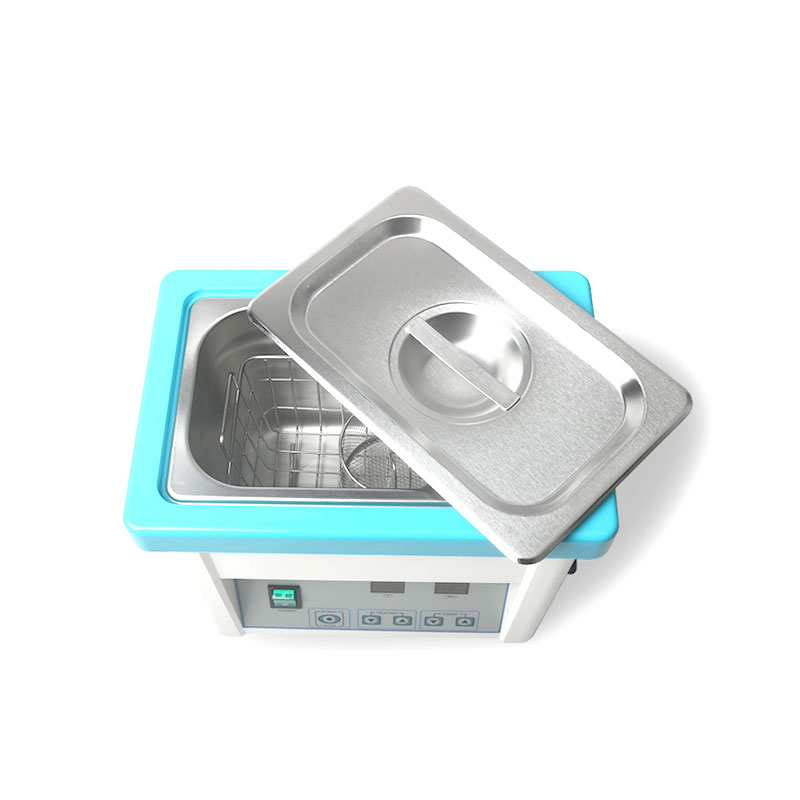
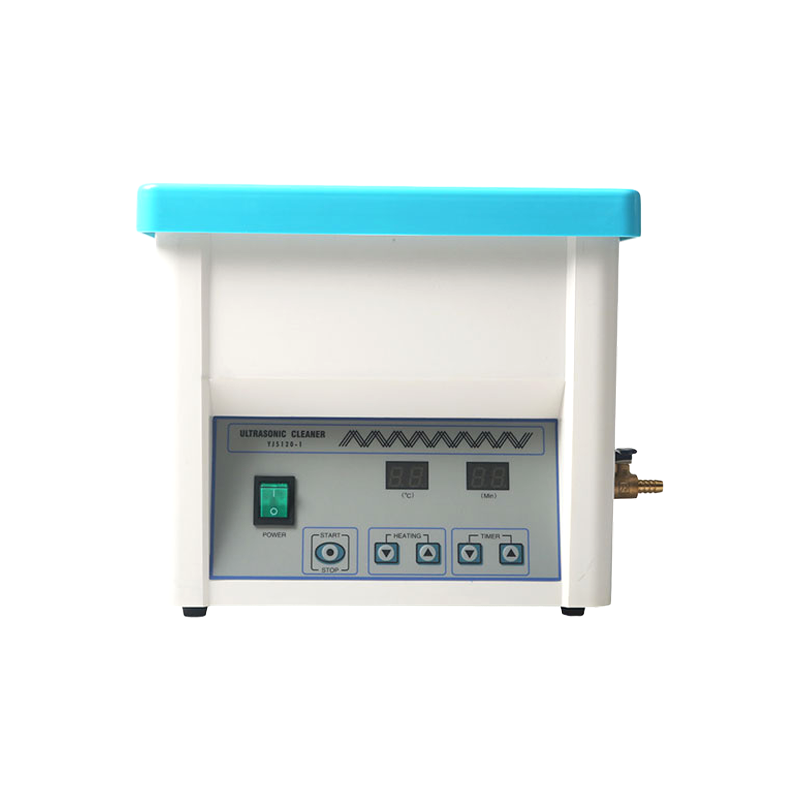
A dental sterilization machine does not operate in isolation. It is the terminal step in a reprocessing chain, and its effectiveness depends entirely on the steps that precede it. Sterilization cannot penetrate biofilm or organic matter — instruments must be thoroughly clean before entering the autoclave. A contaminated instrument that passes through an autoclave cycle is not sterile.
Dental handpieces — high-speed turbines, low-speed motors, contra-angles — present a unique sterilization challenge because of their internal lumen geometry. During use, the turbine creates a negative pressure when it stops rotating, causing retraction of patient fluids (blood, saliva) into the internal channels of the handpiece. This means handpieces are internally contaminated after every single use, regardless of whether the external surfaces appear clean.
Every handpiece must be sterilized between patients — not just wiped down externally. This has been the formal position of the CDC since 2003 and is reflected in professional body guidelines in every major dental market. A Class B dental autoclave with validated hollow load sterilization performance is the only steam autoclave type capable of reliably sterilizing handpiece lumens. The pre-vacuum cycle physically expels air from the internal channels, allowing steam to make direct contact with all internal surfaces.
Before loading handpieces into the dental sterilization machine, they must be lubricated according to the handpiece manufacturer's instructions. Most handpiece manufacturers specify internal lubrication with an approved spray lubricant before each autoclave cycle. Failure to lubricate leads to accelerated bearing and turbine wear, significantly shortening handpiece lifespan. Given that quality high-speed handpieces cost between $300 and $1,500 each, proper pre-autoclave maintenance is a financially meaningful routine.
A dental sterilization machine is a pressure vessel with precision seals, heating elements, pumps, and sensors. Neglecting maintenance leads to seal failures, inaccurate temperature readings, failed cycles, and ultimately costly repairs or replacement. The following maintenance framework covers the standard requirements across most major autoclave brands:
EN 13060 requires annual performance qualification (PQ) by a qualified engineer. This involves calibrated temperature and pressure measurements at multiple chamber positions to verify uniformity, along with a full review of control system accuracy. Many manufacturers' warranties are voided by failure to complete annual service. The annual service cost for most dental autoclaves ranges from $200–$600 USD, which is a small fraction of the cost of an unplanned failure or a compliance violation resulting from undetected drift in calibration.
Even well-maintained dental sterilization machines encounter problems. Knowing the most common failure modes helps practice managers respond quickly and minimize disruption.
| Symptom | Likely Cause | Action |
|---|---|---|
| Failed Bowie-Dick test (patchy color change) | Incomplete air removal; vacuum pump fault or door seal leak | Do not use autoclave; service vacuum pump and seals |
| Wet instruments after cycle | Inadequate drying phase; overloaded chamber; condensation on cold instruments | Reduce load density; allow instruments to reach room temperature before packing; extend drying time if adjustable |
| Cycle aborts with error code | Pressure/temperature out of range; sensor fault; water supply issue | Do not release load as sterile; consult error code log; contact service engineer |
| Failed biological indicator | Sterilization conditions not reached; incorrect BI placement; expired BI | Quarantine all loads since last passed BI; repeat test with new BI; arrange service if failure repeats |
| Corrosion on instruments post-cycle | Poor quality water; chlorine contamination; dissimilar metals in same tray | Test water conductivity; use only distilled water; separate dissimilar metals |
One point that cannot be overstated: a failed cycle means the load is not sterile. Instruments from a failed or suspect cycle must not be released for use. They must be repackaged, the machine fault must be identified and resolved, and the instruments must be put through a confirmed successful cycle before use. The temptation to "just use them anyway" in a busy practice presents unacceptable infection control risk.
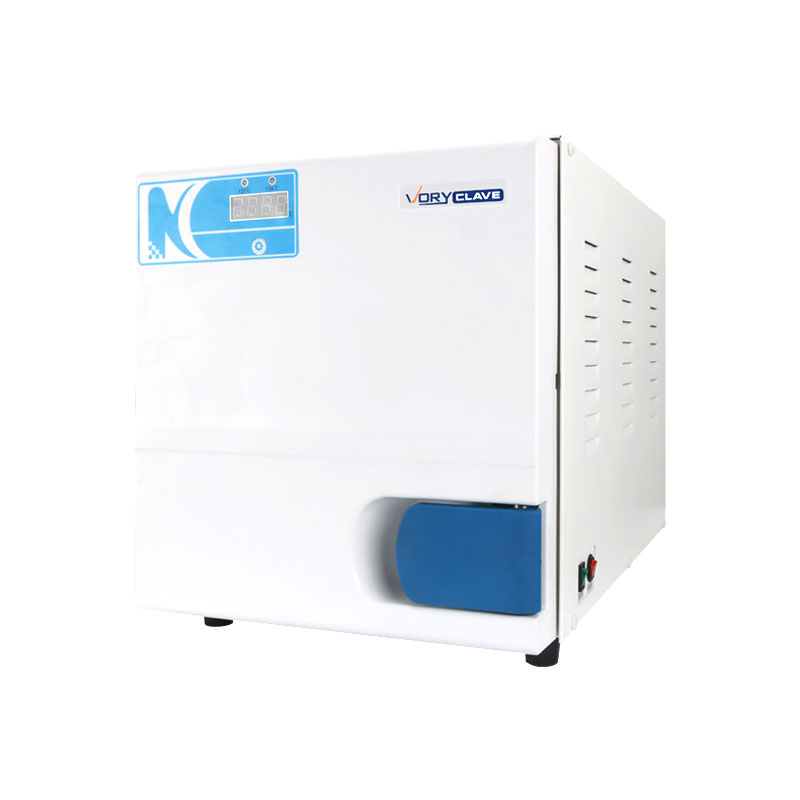
The regulatory framework governing dental sterilization machines varies by region but shares common themes: equipment must be validated, procedures must be documented, and records must be retained.
EN 13060 is the governing standard for small steam sterilizers in dental settings. It defines the N/S/B classification system, specifies test methods, and requires annual performance qualification. CE marking on a dental autoclave confirms conformity with the EU Medical Device Regulation (MDR 2017/745) or the Pressure Equipment Directive (PED), depending on device classification. Member state health authorities (e.g., the Zahnärztekammer in Germany or the GDC in the UK prior to Brexit) may impose additional practice-level requirements.
The FDA regulates dental autoclaves as Class II medical devices requiring 510(k) clearance. The CDC's 2003 Guidelines for Infection Control in Dental Health-Care Settings and the subsequent OSAP guidance documents provide the clinical framework. OSHA's Bloodborne Pathogen Standard (29 CFR 1910.1030) mandates engineering controls that include effective instrument sterilization. Individual state dental boards add additional requirements — some states mandate specific spore testing frequency or record retention periods that exceed federal minimums.
The Australian Dental Association's Infection Control Guidelines reference AS/NZS 4815 (Office-based health care facilities — Reprocessing of reusable medical and surgical instruments and equipment). The TGA regulates autoclaves as medical devices. Australian standards align closely with EN 13060 in practice, and the AS/NZS 4815 standard requires that any dental sterilization machine used for hollow instruments (including handpieces) must be validated for that load type — effectively requiring Class B equivalent performance.
Purchase price is the most visible cost but rarely the most significant over a five-to-ten year operational period. A complete cost assessment includes:
When these costs are totaled over a ten-year period, the difference in total cost of ownership between a budget Class B unit and a premium unit is often less dramatic than the initial price gap suggests. A budget unit that requires more frequent repairs, has a shorter service life, or results in compliance failures during inspection can easily exceed the total cost of a well-specified premium dental sterilization machine purchased from the outset.
Even the most technically advanced dental autoclave will fail to protect patients if the staff operating it are inadequately trained. Surveys of dental practice infection control compliance consistently find that procedural errors — not equipment failures — are the primary cause of sterilization failures. Common staff-related errors include:
Best practice is to designate a specific staff member as the infection control coordinator with primary responsibility for the dental sterilization machine, ensure all staff with sterilization duties receive documented initial training and annual refresher training, and conduct periodic internal audits of the reprocessing workflow. The CDC and OSAP both publish free training resources specifically for dental practice infection control that can support structured training programs without significant additional cost.
If you have any question for the installation
or need support, please feel free to contact us.
86-15728040705
86-18957491906


