Content
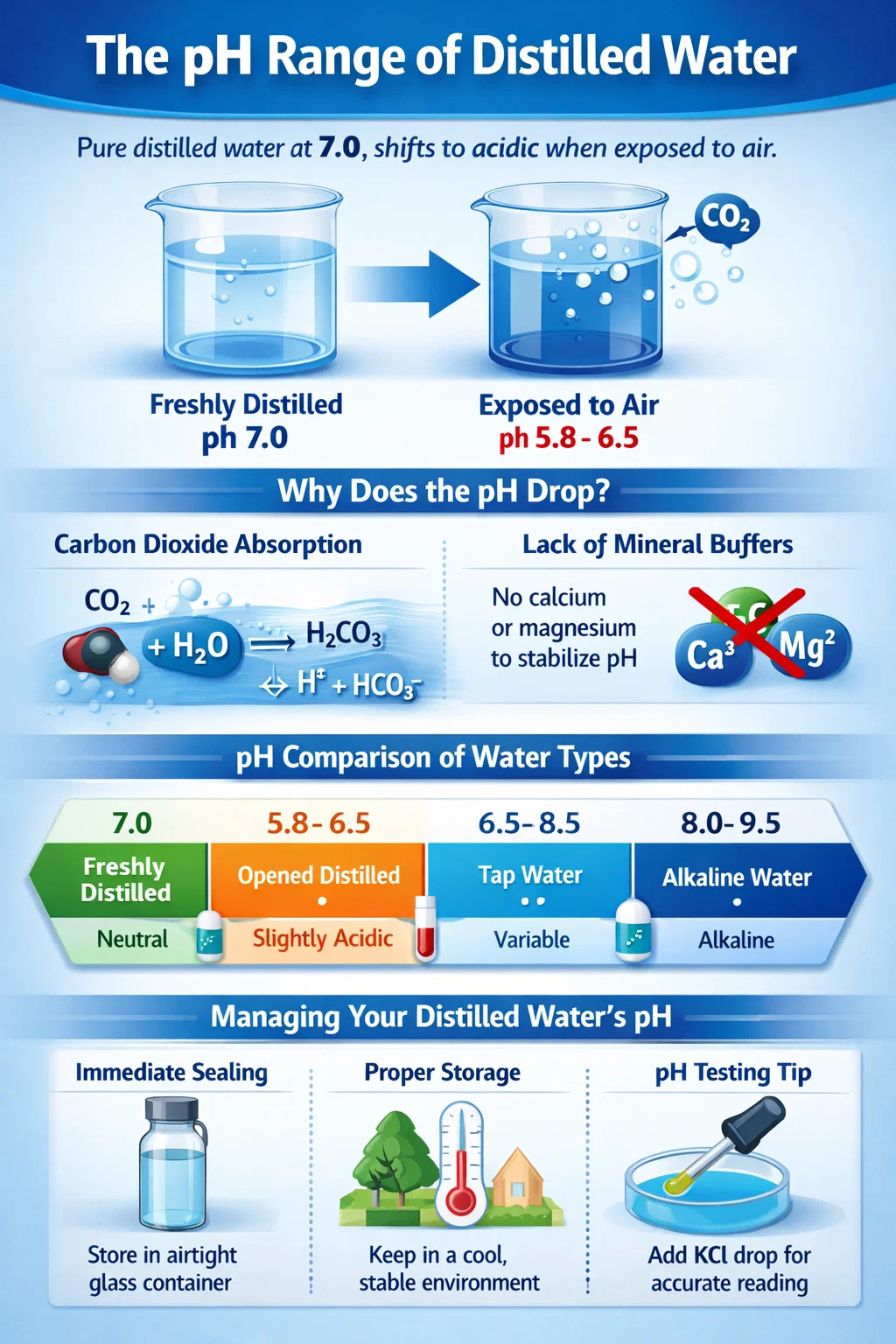
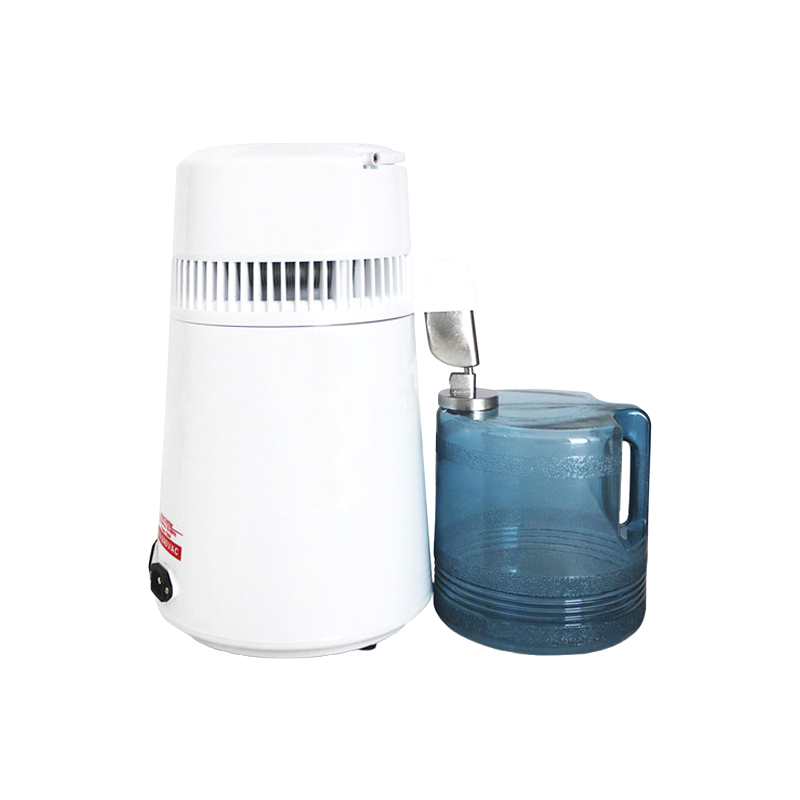
The theoretical pH level of pure distilled water at the moment it leaves a water distiller is a neutral 7.0. However, in practical laboratory and clinical settings, the pH of distilled water typically measures between 5.8 and 6.9. This shift toward acidity happens almost instantly upon exposure to the atmosphere, as the water absorbs carbon dioxide from the air. While it remains safe for most dental and medical applications, this slight acidity is a critical factor for equipment maintenance and chemical sensitivity.
To understand why the pH drops, we must look at the interaction between ultra-pure water and the surrounding environment. Distillation is a high-heat process that strips water of its "buffering" minerals.
When water emerges from a water distiller, it is devoid of dissolved solids. This makes it highly "reactive" to airborne gases. As carbon dioxide (CO2) dissolves into the distilled water, it reacts with the water molecules (H2O) to form carbonic acid (H2CO3). This weak acid dissociates into hydrogen ions, which effectively lowers the pH level below the neutral point.
Unlike tap water, which contains calcium and magnesium that act as natural buffers to keep pH stable, distilled water has zero buffering capacity. Consequently, even a tiny amount of absorbed gas causes a significant swing in pH. This is why testing distilled water with a standard pH strip can sometimes yield frustratingly inconsistent results.
The following table illustrates the typical pH variances you might encounter in a clinical or household setting compared to the output of a professional-grade water distiller.
| Water Type | Typical pH Level | Characteristics |
|---|---|---|
| Freshly Distilled | 7.0 | Neutral, zero mineral content |
| Opened Distilled | 5.8 - 6.5 | Slightly acidic due to CO2 |
| Standard Tap Water | 6.5 - 8.5 | Variable based on local minerals |
| Alkaline Water | 8.0 - 9.5 | High mineral/buffering content |
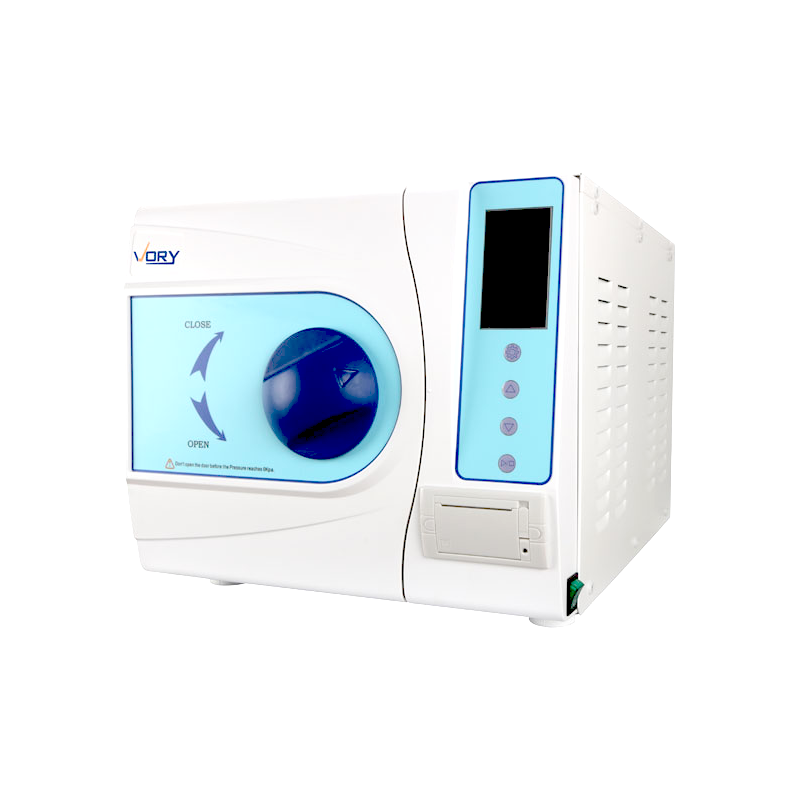
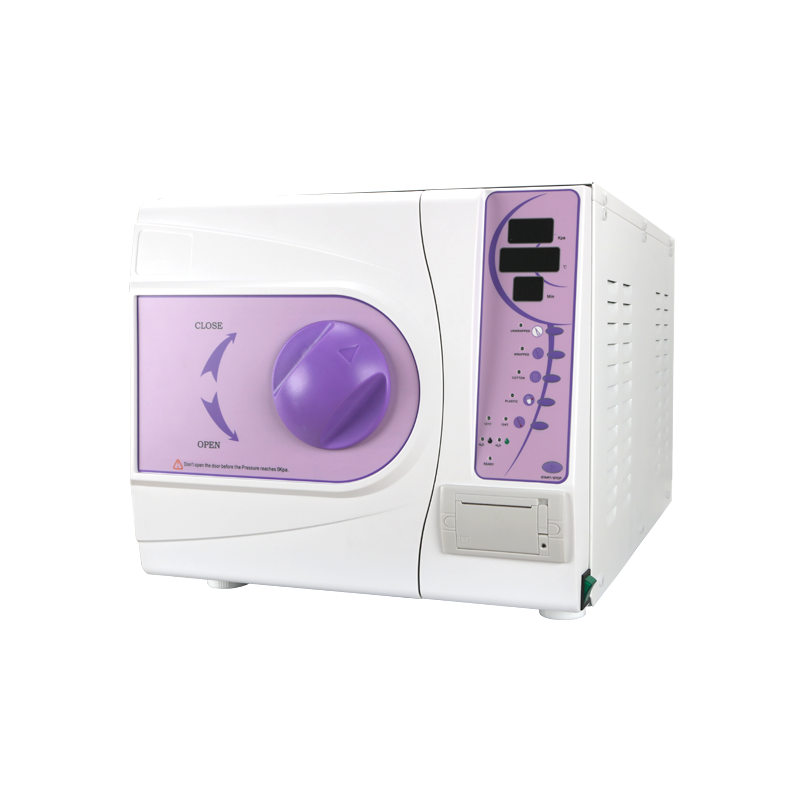
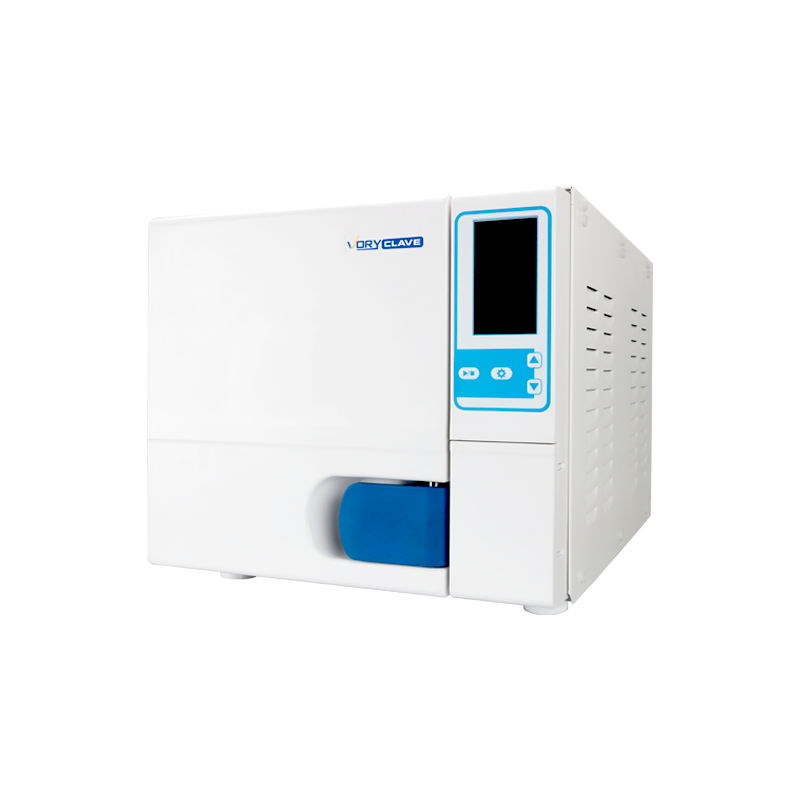
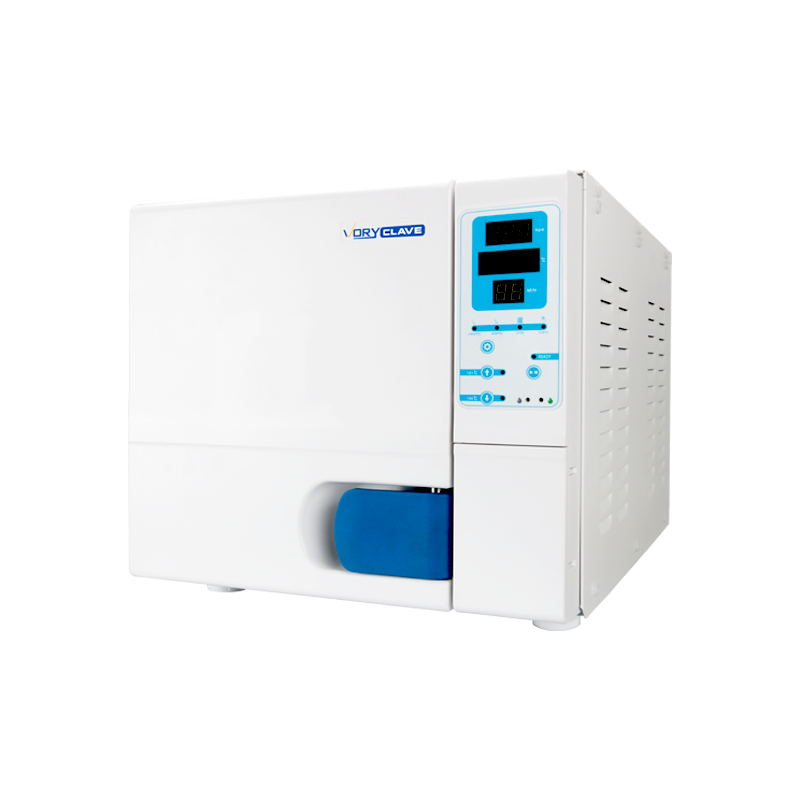
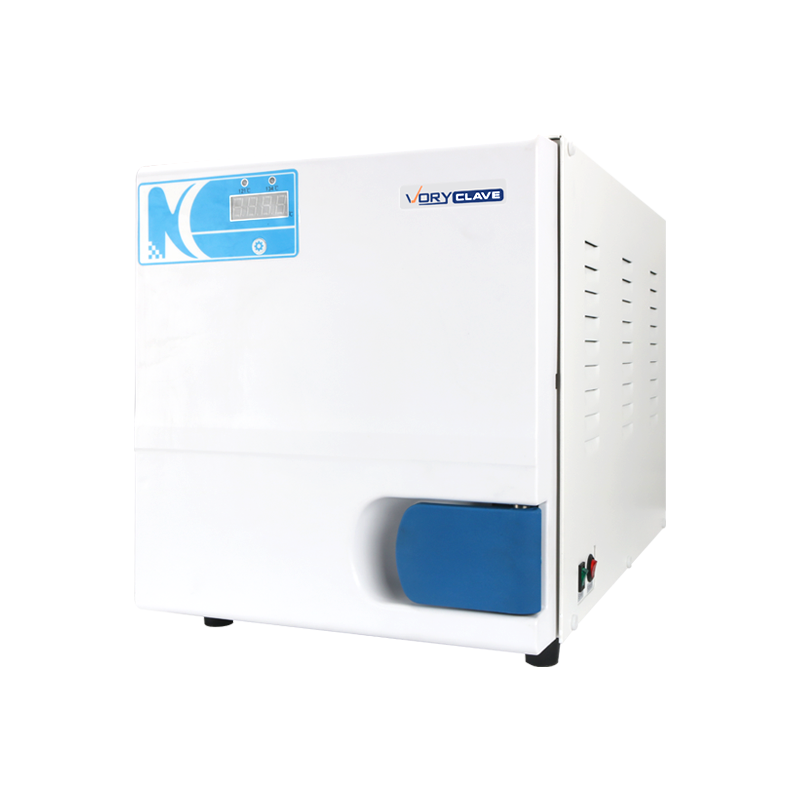
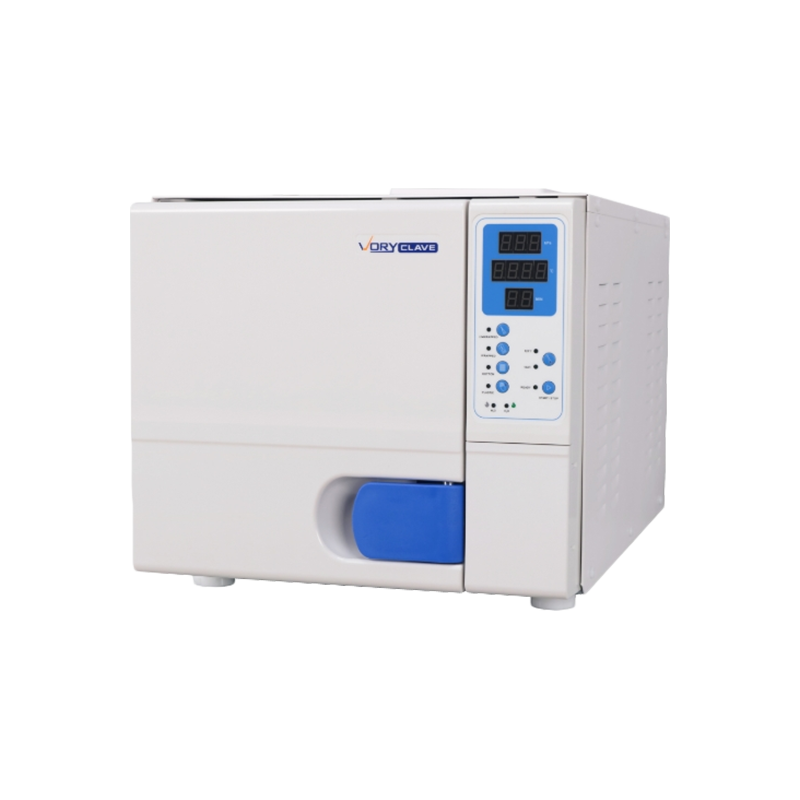
The acidity of distilled water is rarely a concern for human consumption, but it plays a significant role in the longevity of the dental autoclave and other sterilization tools.
For users who require the pH to stay as close to 7.0 as possible, the way you handle the output from your water distiller matters immensely. You can manage the acidity through these constructive steps:
Reduce the surface area exposed to the air. By transferring water from the water distiller collection jug into a narrow-necked glass bottle and sealing it immediately, you can maintain a pH closer to 6.8 or 6.9 for a longer duration.
Use borosilicate glass or high-density polyethylene (HDPE). Cheap plastics can leach alkaline or acidic stabilizers into the water, further complicating the pH reading. Glass is chemically inert and will not influence the hydrogen ion concentration of the liquid inside.
The solubility of CO2 increases as water cools. Freshly distilled water is often warm; as it reaches room temperature, it will absorb gas more rapidly. Keeping your storage container in a stable, temperate environment helps prevent drastic pH fluctuations.
Standard pH meters often fail when testing the output of a water distiller because there aren't enough ions for the probe to "read." To get an accurate measurement of such pure water, you typically need to add a tiny drop of a neutral electrolyte (like potassium chloride) to increase the ionic strength without changing the actual pH, or use specialized low-ionic strength pH electrodes.
If you have any question for the installation
or need support, please feel free to contact us.
86-15728040705
86-18957491906

 English
 عربى
عربى

