Content
For almost every general or specialist dental practice, the best autoclave for a dental clinic is a Class B dental autoclave with a fractionated vacuum cycle, an 18-24 liter chamber, and independent batch documentation. Class B is the only category built to reliably sterilize handpieces, endodontic files, implant kits, and wrapped cassettes at the same time, which covers roughly 90 percent of instrument trays in a typical operatory. Class N and Class S units cost less up front, but they are only appropriate for single-dentist practices running a narrow range of solid, unwrapped instruments.
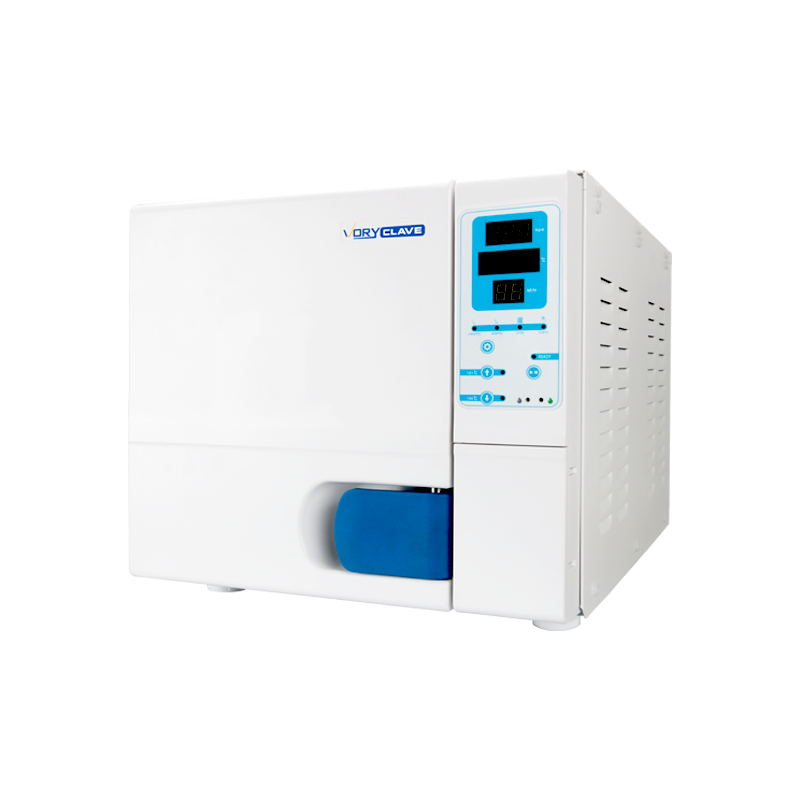
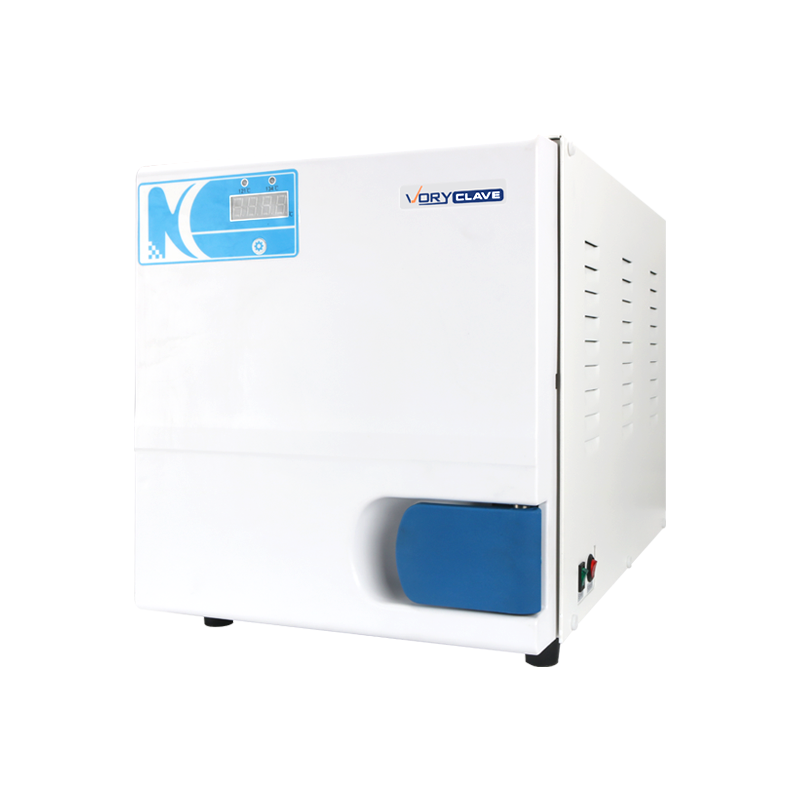
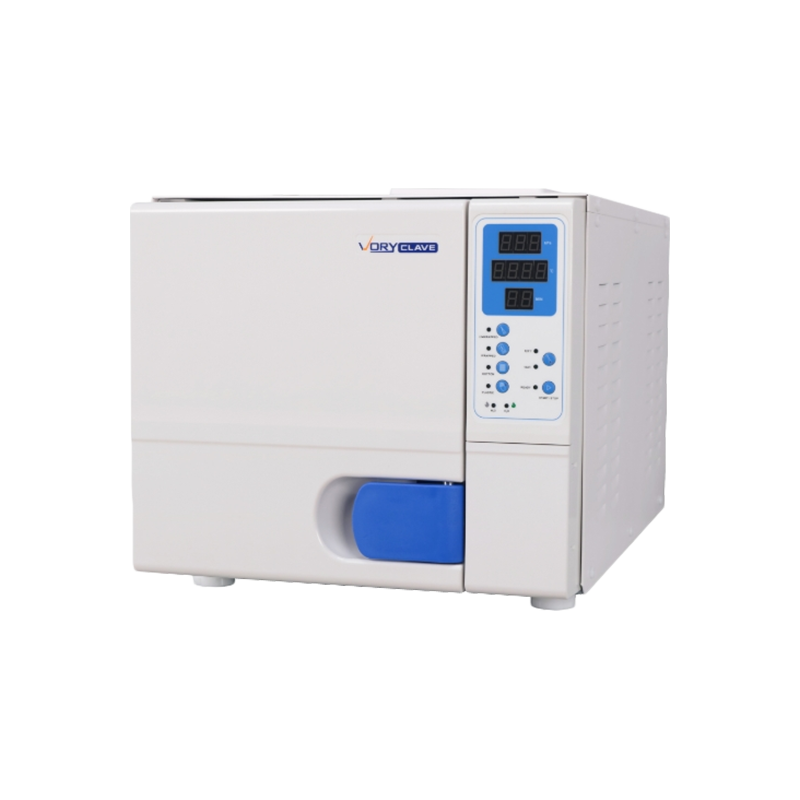
The rest of this guide breaks that recommendation down by clinic size, instrument mix, and budget, because "best" changes once you factor in daily patient volume, the number of operatories running in parallel, and how your practice documents sterilization for insurance and infection-control audits. Ningbo Wanrui Medical Instrument Co., Ltd builds Class B Dental Autoclave units specifically around these clinic-throughput scenarios, so the examples below use realistic chamber sizes and cycle counts rather than theoretical maximums.
This guide is organized so a busy office manager or dentist can either read it start to finish before a purchase decision, or jump straight to the section that matches where they are stuck — sizing, budget, testing routine, or supplier comparison. Every section below stands on its own with specific numbers rather than general marketing language, because vague claims like "fast" or "reliable" do not help anyone compare two machines side by side.
Every small steam sterilizer sold for clinical use falls into one of three classes defined by the EN 13060 standard for tabletop autoclaves. The letter describes how the machine removes air from the chamber before sterilization, and air removal is the single factor that determines whether steam actually reaches every surface of an instrument. This single design detail explains almost every price difference between models that otherwise look similar on a spec sheet.
Class N autoclaves push air out of the chamber using incoming steam pressure alone, with no vacuum pump. That works for flat, solid, unwrapped instruments like mirrors and probes, but trapped air pockets inside handpiece channels or wrapped pouches will block steam penetration. A Class N cycle can look successful on the display while the inside of a hollow instrument never reaches sterilizing temperature. This is the category most likely to give a false sense of security, because the machine will still report a completed cycle even when penetration failed inside a lumen.
Class S sits between N and B. The manufacturer specifies exactly which instrument types the unit has validated, which might include some wrapped solids or simple hollow items, but the scope is narrower and non-standardized across brands. Two Class S machines from different manufacturers can have meaningfully different real-world capabilities, so the datasheet has to be checked instrument by instrument rather than assumed from the class letter alone. A Class S unit validated for one brand of handpiece is not automatically validated for a different brand with a different internal channel geometry.
Class B autoclaves run repeated vacuum pulses before the steam phase, pulling air out of hollow channels, porous wraps, and layered cassettes so steam can reach every surface. This is the only class validated for handpieces, micromotors, endodontic files, and wrapped instrument sets in the same load, which is why most dental regulatory guidance treats Class B as the practical minimum for a mixed-instrument practice. The number of vacuum pulses in a fractionated cycle typically ranges from three to six depending on the program and manufacturer, with more pulses generally producing deeper, more reliable air removal at the cost of a few extra minutes per cycle.
Running wrapped or hollow instruments through a Class N machine does not usually produce a visible error. The instrument comes out looking clean and the cycle log shows a completed run, which is exactly why the mistake persists in some clinics for years without being caught. The only reliable way to detect it is a Helix or process challenge device test, which is discussed later in this guide, because visual inspection alone cannot confirm internal sterility.
| Class | Air Removal | Handpieces / Hollow Items | Wrapped Loads | Typical Clinic Fit |
|---|---|---|---|---|
| N | Gravity displacement | Not validated | Not validated | Solo practice, solid instruments only |
| S | Single vacuum pulse (varies) | Some models only | Manufacturer-specific | Narrow instrument sets, budget-limited |
| B | Fractionated vacuum, multiple pulses | Fully validated | Fully validated | General and specialist practices, multi-chair clinics |
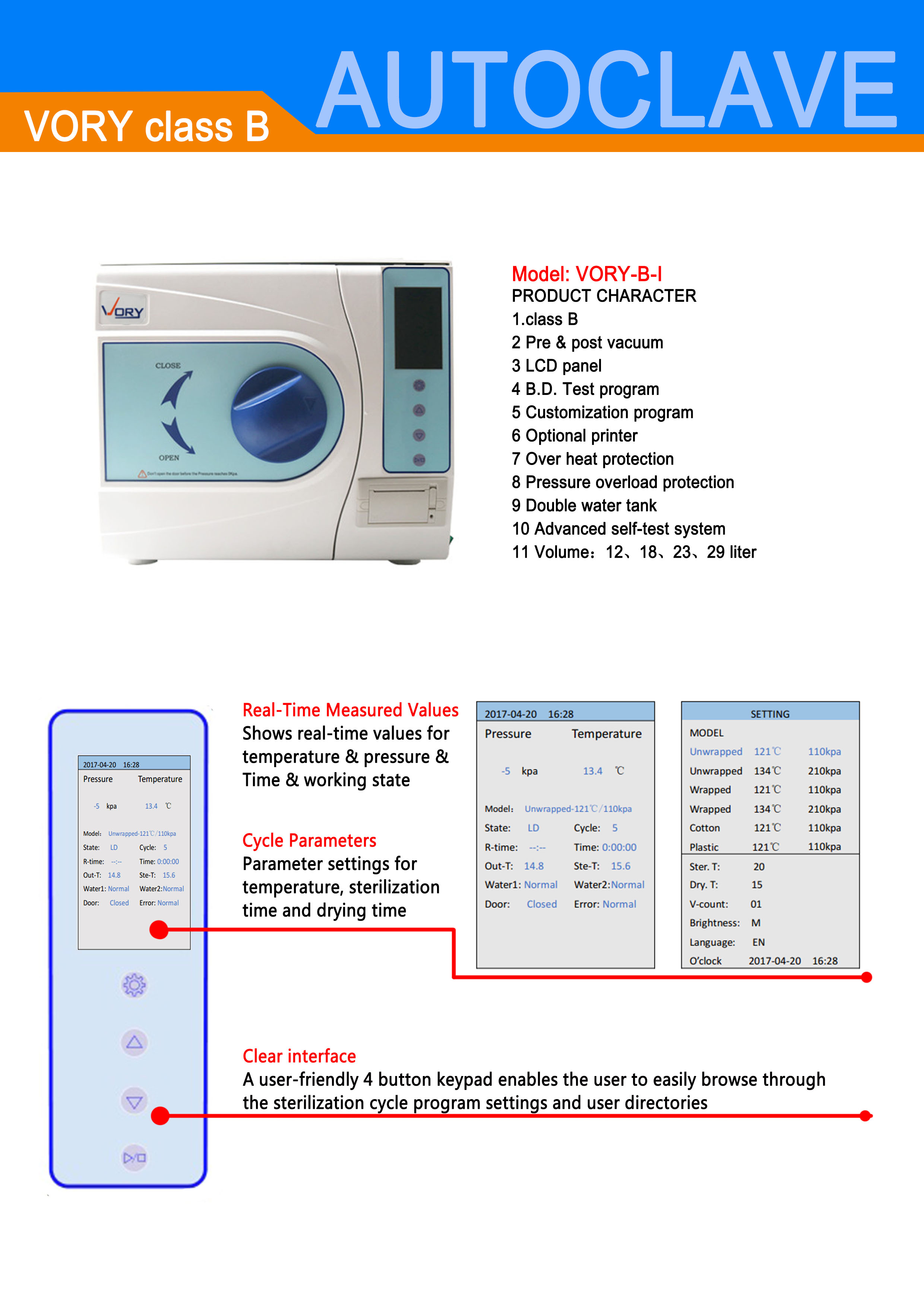
Chamber size decides how many cassettes fit per cycle, and cycle count decides how many chair turnovers a clinic can support without instruments sitting in the sterilization room waiting for a free load. A common sizing mistake is buying the smallest chamber that fits the counter, then running two or three extra cycles a day that the clinic did not budget time for. Chamber size is usually listed in liters, and that number refers to internal chamber volume rather than the footprint of the machine on the counter.
As a working rule, a clinic should size its autoclave so that peak-hour instrument turnover never requires more than two back-to-back full cycles, since queued instruments waiting for sterilization are the most common bottleneck reported by dental office managers when patient volume grows faster than equipment capacity.
Two machines with the same liter rating can hold a different number of standard cassette trays depending on internal rack spacing. When comparing chamber sizes, ask how many standard dental cassette trays fit per load rather than relying on the liter figure in isolation, since a chamber with poorly spaced racking can waste 20 to 30 percent of its nominal volume.
Practices that expect to add a chair, bring on an associate, or start offering implant or orthodontic services within two to three years generally do better buying one size up from what current volume strictly requires. The cost difference between an 18 liter and a 22 liter Class B unit is typically far smaller than the cost of replacing an undersized machine mid-lease.
Manufacturers publish several cycle programs on a Class B Dental Autoclave, and the names vary between brands, but they generally map to the phases below.
A full wrapped-load Class B cycle at 134°C typically runs 28 to 45 minutes door-to-door once pre-vacuum, hold, and drying are added together, while a fast unwrapped cycle for single instruments needing quick turnaround can complete closer to 18-20 minutes on machines built for chairside reprocessing. A 121°C cycle runs longer per sterilization hold but is gentler on heat-sensitive materials, so clinics with mixed instrument composition usually keep both a 134°C standard program and a 121°C program available rather than relying on one temperature for everything.
Instruments coming out of a cycle with visible moisture are not considered properly processed for wrapped storage, since residual moisture can compromise the sterile barrier of a pouch within hours. Drying phase length should scale with load density — a full chamber of wrapped cassettes needs meaningfully longer drying than a half-empty load, and a machine with a fixed, non-adjustable drying time can leave dense loads damp.
Beyond the published cycle time, clinics should ask about reheat time between back-to-back cycles, since a chamber that has to cool and reheat fully between runs effectively adds 5 to 10 minutes of dead time to each subsequent load. Higher-end Class B units maintain a warm chamber between cycles specifically to reduce this gap during busy periods.
| Time Slot | Load Type | Program |
|---|---|---|
| Before first patient | Bowie-Dick / air removal test | Test cycle |
| Mid-morning | Wrapped cassettes, handpieces | 134°C standard |
| Lunch changeover | Mixed wrapped load | 134°C standard |
| Mid-afternoon | Single urgent instrument | Fast unwrapped |
| End of day | Full remaining load | 134°C standard |
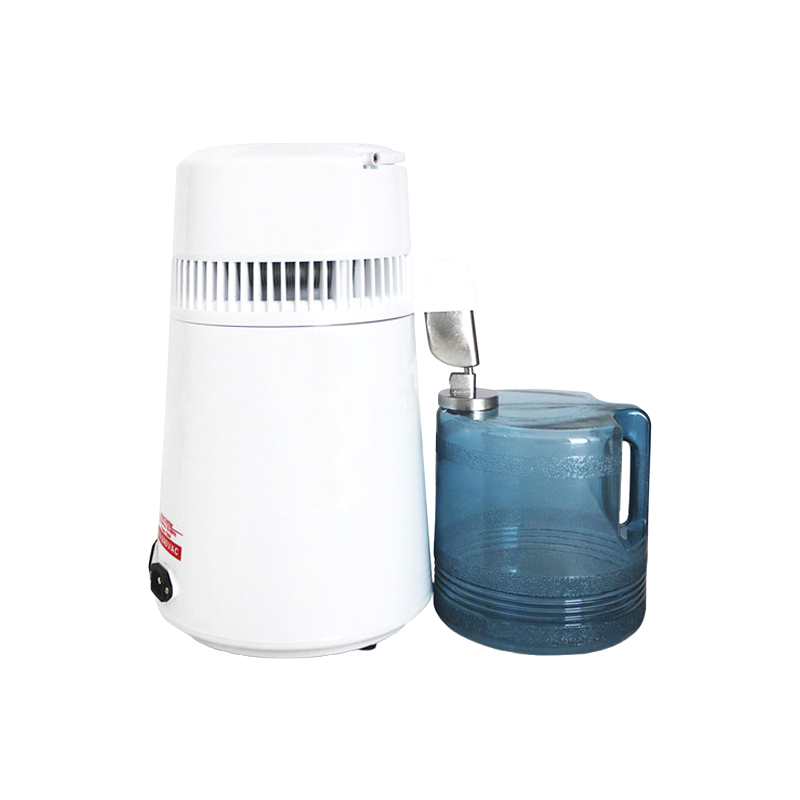
Steam quality depends entirely on feed water quality, and this is the maintenance factor most new clinics underestimate. Mineral deposits from tap water scale the chamber, clog solenoid valves, and shorten heating element life within months rather than years.
White or chalky residue on trays after a cycle, a chamber door seal that no longer closes smoothly, or a cycle that runs longer than usual to reach set pressure are all early signs of scale buildup. Catching these signs during a routine wipe-down avoids the more expensive failure mode, which is a scaled heating element or a stuck solenoid valve requiring a technician visit.
A 4-liter clean water reservoir typically supports roughly 8-10 standard cycles before needing a refill, though exact consumption varies by chamber size and program. Clinics running more than 10 cycles a day should seriously consider a direct water line connection rather than relying on staff to remember mid-day refills during busy periods.
A Class B dental autoclave is only as reliable as the testing routine built around it. Instrument sterilization failures are rarely caused by the machine alone; they are usually caused by skipped verification steps.
Run a Bowie-Dick or equivalent air-removal test each morning before the first clinical load, since this test confirms the vacuum system is pulling air out completely before steam enters — the exact function that separates Class B from Class N and S. A Helix or process challenge device test on a weekly basis checks steam penetration into a narrow lumen, simulating a handpiece or endodontic file channel.
Every cycle should log chamber temperature, pressure, and hold time, either on an internal printer or exported to USB/SD card, and that record should be tied to the load contents so an individual patient's instrument tray can be traced back to a specific cycle if a question ever comes up. Clinics using paper logs alone often lose this traceability during busy weeks, which is one reason USB batch export has become a standard feature on mid-range and higher Class B units rather than a premium add-on.
A spore test (biological indicator) run on a defined schedule, commonly weekly, provides direct evidence that the sterilization cycle achieved microbial kill rather than just reaching the correct temperature and pressure on paper. This is the test most infection-control audits ask to see records of first.
A practical routine that most dental offices can sustain without extra staff time looks like this: air-removal test every morning, spore test once a week on a fixed day, Helix test once a week on a different fixed day, and a monthly review of stored batch records to confirm nothing is missing. Assigning this checklist to a specific staff member by name, rather than leaving it as a shared responsibility, is the single change that most reliably improves compliance in practices that previously skipped tests during busy weeks.
A failed air-removal or Helix test means the load should not be released for use, and the cycle should be repeated after checking door seals, water quality, and chamber cleanliness. If a second consecutive test fails, the machine should be taken out of service and a technician called, since repeated failures usually indicate a vacuum pump or seal problem rather than a one-off anomaly.
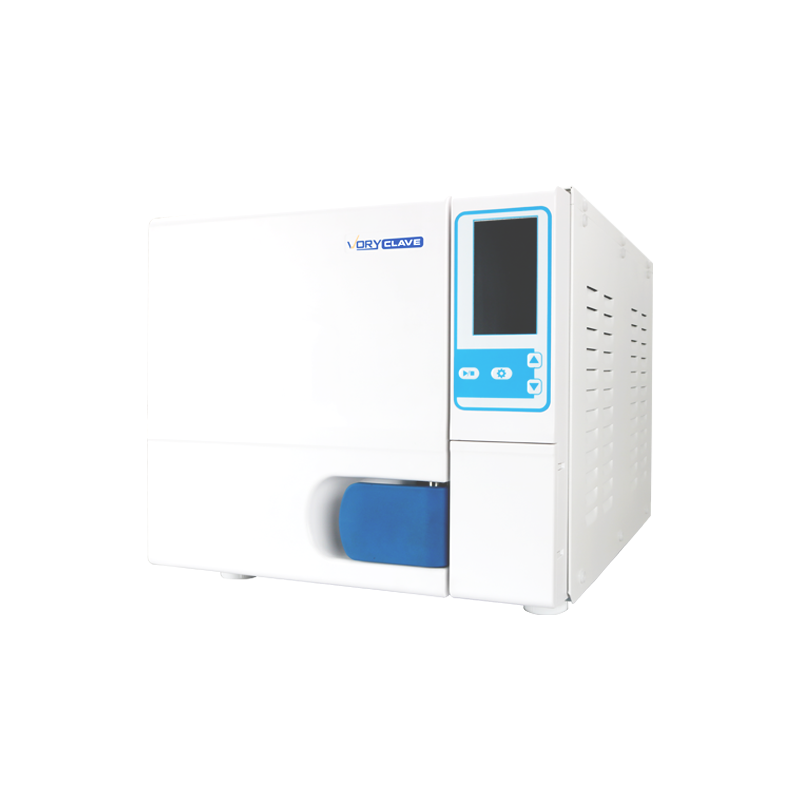
Where the autoclave sits in the sterilization room affects both efficiency and cross-contamination risk, independent of which machine is chosen. A one-directional workflow — dirty instruments enter at one end, clean sterile instruments exit at the other — reduces the chance of clean and contaminated trays crossing paths.
Even the best Class B autoclave underperforms if staff are not trained on loading density, program selection, and testing schedules. A written standard operating procedure posted near the machine, covering which program to use for which instrument type, how to load cassettes for even steam distribution, and who is responsible for daily and weekly tests, reduces the variability that leads to failed cycles. New staff should be walked through a full cycle, including reading the printed or exported batch record, before being signed off to run the machine independently.
Purchase price is a small part of what an autoclave actually costs a clinic over five years. Filters, seals, water systems, and service visits add up differently across the three classes.
| Factor | Class N | Class S | Class B |
|---|---|---|---|
| Upfront cost | Lowest | Mid | Highest |
| Annual servicing complexity | Low (fewer parts) | Moderate | Moderate (vacuum pump, extra seals) |
| Instrument scope covered | Narrow | Partial | Full |
| Consumables (filters, seals, water system) | Minimal | Moderate | Higher, but predictable on a fixed schedule |
| Risk of re-purchase as clinic grows | High | Moderate | Low |
Because a Class N or S unit often has to be replaced once a clinic adds implant or endodontic services, the effective lifetime cost of starting with Class N can end up higher than buying Class B once, particularly for a practice that expects to add procedures or a second chair within a few years.
The two components most likely to need replacement over a machine's working life on a Class B unit are the vacuum pump and the door gasket. A door gasket typically needs replacement every one to two years depending on cycle frequency, while a vacuum pump under normal use often runs several years before rebuild or replacement is needed. Budgeting for these two line items in advance avoids treating a routine service need as an unexpected expense.
A Class B autoclave draws more power during the vacuum and heating phases than a Class N unit, but the difference in electricity cost over a year is typically small compared to the cost of instrument reprocessing failures or replacement equipment. Clinics on a shared electrical circuit with other high-draw equipment, such as compressors, should confirm circuit capacity before installation to avoid nuisance breaker trips during a cycle.
Once class and chamber size are settled, a handful of build details separate a reliable daily-use unit from one that generates service calls.
Sterilization rooms in smaller practices often sit close to the reception area or a break room, which makes vibration and fan noise a practical concern beyond pure performance specs. Asking to hear a unit run a full cycle before purchase, rather than judging from a spec sheet decibel rating alone, gives a more honest sense of what staff will experience daily.
The lowest-priced unit in a supplier catalog is very often Class N, and the price gap to Class B can look larger than it actually is once the narrower instrument scope of Class N is factored into long-term usefulness.
A smaller chamber squeezed into a tight counter layout often costs more in staff time over its working life than the space it saves, once extra cycles and longer wait times for instrument turnover are added up.
Clinics that skip a water treatment plan at installation often end up retrofitting an RO system later, at higher cost and with a service disruption, rather than planning for water quality from day one.
Daily and weekly test compliance often drops once the excitement of a new machine wears off. Assigning ownership of the testing checklist to a specific staff role, rather than leaving it informal, keeps the routine consistent past the first quarter of ownership.
A lower-cost machine from a supplier with no local parts stock can end up costing more in clinic downtime than a slightly higher-priced unit backed by fast parts and service support.
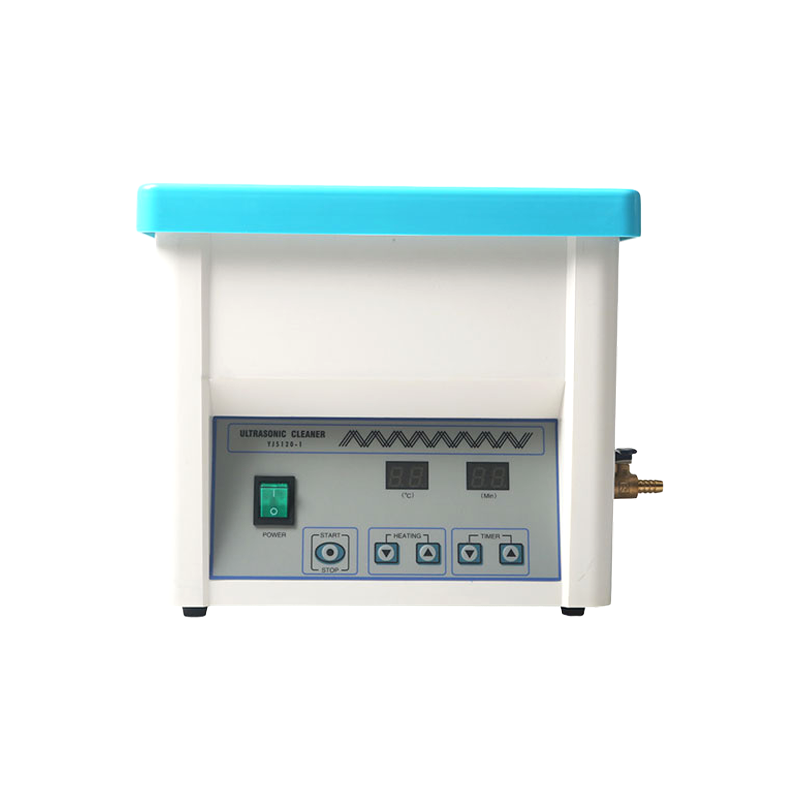
Once class, chamber size, and testing routine are settled, manufacturer support becomes the deciding factor, since spare parts, seals, and service documentation availability determine how long the unit stays useful without downtime. Ningbo Wanrui Medical Instrument Co., Ltd manufactures Class B dental autoclaves engineered around the chamber-size and cycle-time ranges covered in this guide, with fractionated vacuum cycles validated for handpieces, wrapped cassettes, and porous loads in the same run. For clinics comparing suppliers, it is worth asking directly for spare parts lead time, warranty coverage on the vacuum pump, and whether batch export (USB or printer) is included as standard rather than an optional add-on — these three questions typically reveal more about long-term reliability than the headline price does.
Clinics sourcing equipment for a new build-out or a multi-chair expansion often standardize on one dental autoclave model across every operatory, since matching cycle programs and consumables across machines simplifies staff training and keeps spare parts inventory to a single set of seals and filters.
Beyond price and chamber size, a short supplier conversation covering water system compatibility, expected descaling interval for local water hardness, and typical response time for a service request gives a clearer picture of ownership experience than the printed spec sheet alone.
Not usually. Even a single-chair practice sterilizes handpieces and endodontic files regularly, and those instruments need the vacuum penetration that only Class B provides. Class N is only sufficient if the practice genuinely limits itself to solid, unwrapped instruments, which is uncommon in general dentistry.
A standard wrapped-load Class B cycle at 134°C runs about 28 to 45 minutes including pre-vacuum, hold, and drying phases. A fast unwrapped cycle for chairside turnaround can finish in roughly 18 to 20 minutes on units built with a rapid program.
An 18 to 22 liter chamber comfortably covers a two to three chair general practice running 4 to 6 cycles a day, with enough capacity to avoid stacking a second load before the first has finished cooling.
Tap water will scale the chamber and heating element far faster than distilled or RO water, since municipal water conductivity is typically hundreds of times higher than the 15 µS/cm threshold most manufacturers specify. Using tap water routinely shortens component life and increases descaling frequency.
A daily air-removal test before the first clinical load of the day, combined with a weekly Helix or process challenge device test, covers the two failure points most likely to affect steam penetration into hollow instruments.
Both temperatures achieve sterilization, but 134°C reaches the required exposure faster (typically a 3.5-4 minute hold versus a longer hold at 121°C) while 121°C is gentler on certain heat-sensitive materials. Most clinics keep both programs available and choose based on the instrument set being processed.
Yes. Even a single-chair clinic benefits from being able to trace a specific patient's instrument tray back to a logged cycle with recorded temperature, pressure, and hold time, which is the record most infection-control reviews ask for first.
Most manufacturers recommend a descaling cycle every 200 to 300 uses depending on local water hardness, though clinics using properly treated water (RO or distilled) can often extend that interval.
Clinics with four or more chairs often find that two mid-size Class B units running in parallel provide better resilience than one large chamber, since a single machine going down for service does not stop sterilization entirely.
Under normal daily use with properly treated water, a Class B vacuum pump commonly runs several years before rebuild or replacement is needed, though usage intensity and water quality both affect this significantly.
Water quality issues and door seal wear are the two most frequent causes of cycle failure in daily clinical use, ahead of electronic or heating element faults.
A properly validated fast cycle on a Class B machine still completes the required vacuum, hold, and drying phases; it is simply optimized for smaller, less dense loads such as a single wrapped instrument, rather than a full cassette load.
If you have any question for the installation
or need support, please feel free to contact us.
86-15728040705
86-18957491906

 English
 عربى
عربى

