 English
 عربى
عربى


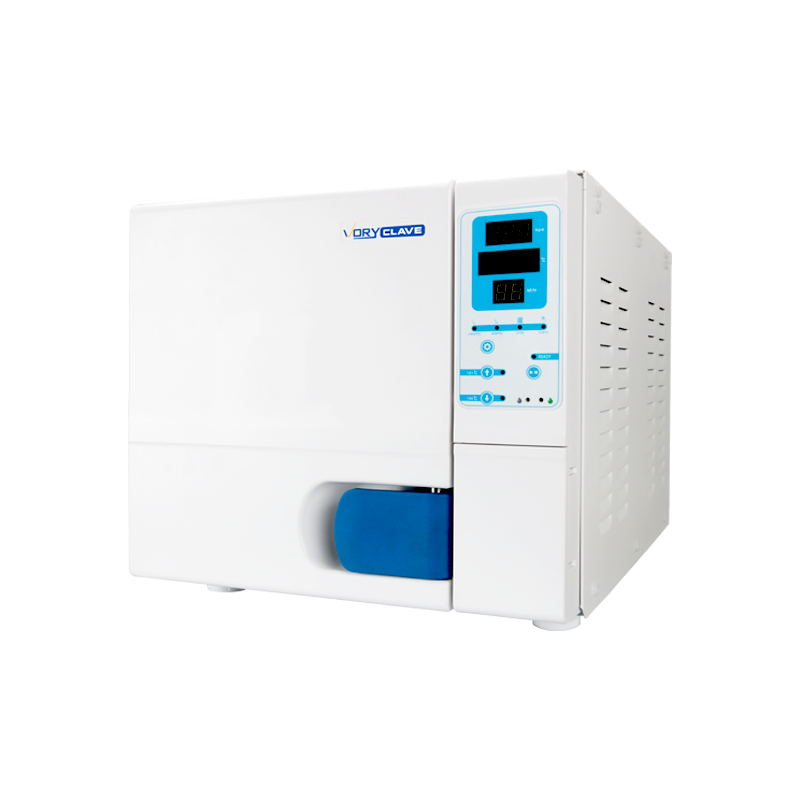
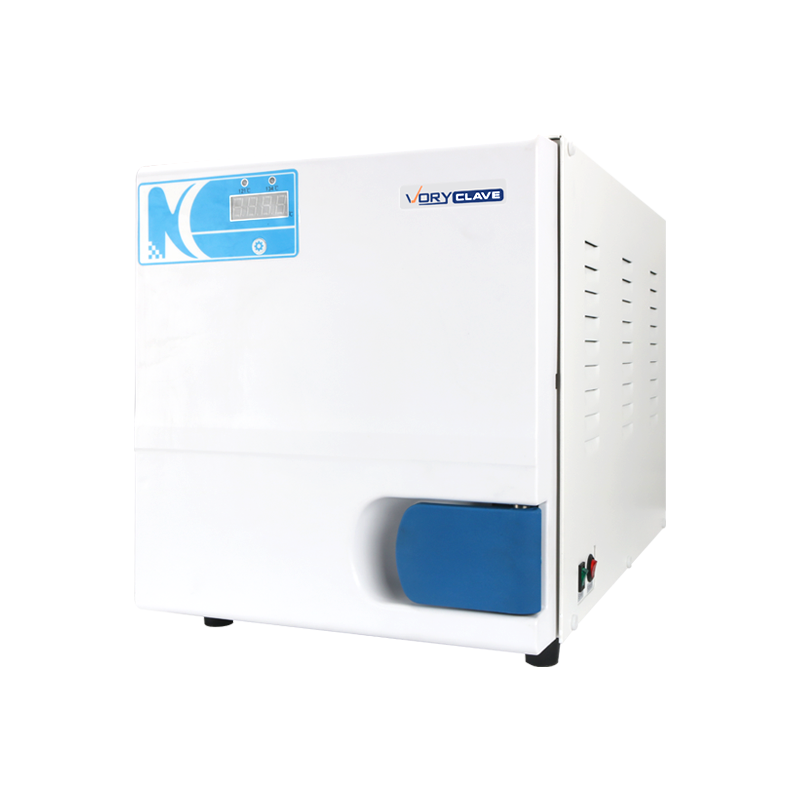
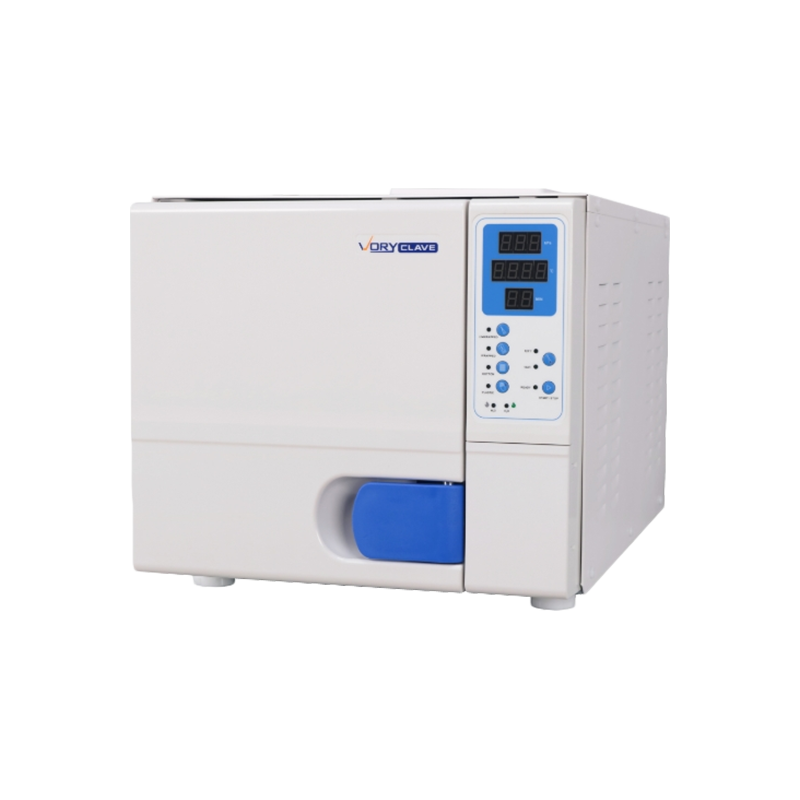
Dental Autoclave Sterilizer: The Direct Answer
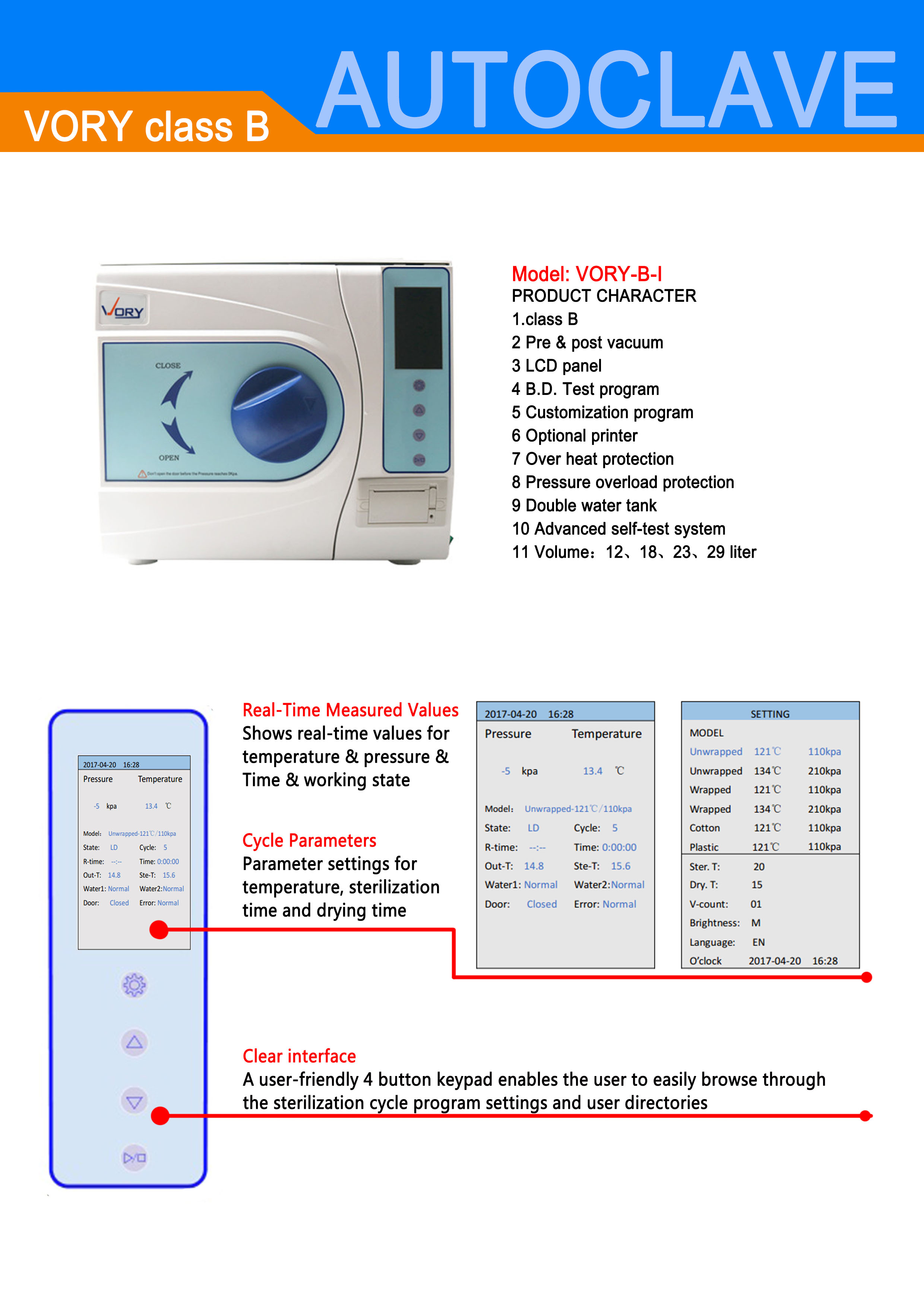
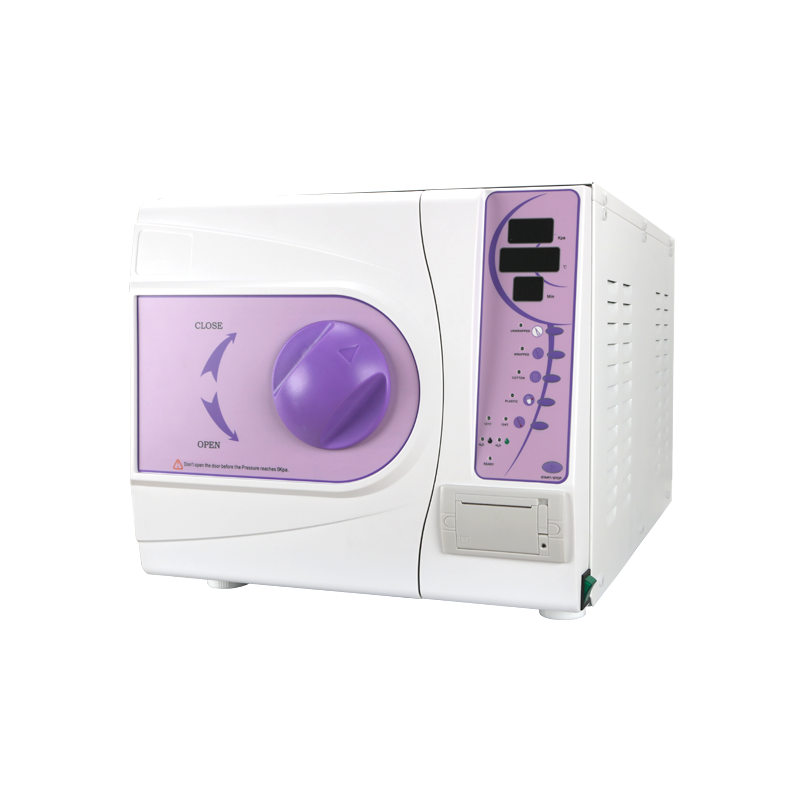
A dental steam sterilizer autoclave kills bacteria, viruses, fungi, and bacterial spores by exposing instruments to saturated steam under pressure, typically 121°C at 1.1 bar for a minimum of 20 minutes, or 134°C at 2.1 bar for a shorter cycle, running the load at 121°C and 1.1 bar or 134°C and 2.1 bar for a cycle time long enough to kill bacterial spores. The right unit for a clinic depends on three things: the sterilization class needed for the instrument mix, the chamber capacity relative to daily patient volume, and the cycle time a practice can tolerate between appointments. For any clinic handling handpieces, endodontic files, or wrapped pouches, a Class B dental autoclave sterilizer with a fractionated vacuum cycle is the only configuration that reliably removes trapped air from hollow and porous loads. Clinics that sterilize only solid, unwrapped tools can operate with a simpler Class N unit at a lower purchase and running cost. The sections below walk through class selection, cycle parameters, water quality, drying performance, and the maintenance habits that keep a dental autoclave sterilizer performing at spec for years rather than months.
Class N, Class S, and Class B: What Actually Separates Them
Small steam sterilizers used in dental settings are grouped into three performance categories based on how they remove air from the chamber before steam is introduced. The mechanism matters more than the label, because it determines which instruments the machine can safely process.
Class N
Uses gravity displacement only, with no active vacuum stage. Steam pushes air out passively as the chamber fills, relying on gravity displacement to remove air from the chamber before steam saturation occurs, which keeps the design simpler in operation. Suitable strictly for solid, unwrapped, non-porous instruments such as mirrors and basic hand tools.
Class S
Covers sterilizers built around a specific set of load types defined by the manufacturer, sitting between N and B. It can often handle a limited range of hollow or wrapped items, but the exact scope varies by model and should be checked against the manufacturer's load list rather than assumed.
Class B
Runs a fractionated pre-vacuum sequence that actively pulls air out of the chamber and out of hollow instrument channels before steam injection, using an active vacuum cycle that a Class N sterilizer lacks, which is what allows steam to reliably penetrate hollow and porous loads. This is the only class validated for handpieces, cannulated instruments, wrapped pouches, and porous textile loads.
A practical threshold worth knowing: once more than roughly a quarter to a third of a clinic's instrument inventory is hollow or multi-lumen, industry guidance treats a Class B autoclave as necessary to achieve reliably validated sterility across the full instrument set. Below that threshold, a Class N or Class S unit paired with a separate protocol for complex tools can still be workable, though it adds a manual sorting step to daily workflow.
Cycle Time, Temperature, and Pressure Reference
Cycle length is the number clinics feel most directly, since it dictates how many instrument turnovers are possible in a half-day session. The table below summarizes typical parameters across the three classes for general planning purposes; individual programs vary by manufacturer and load type.
| Class | Air Removal Method | Typical Cycle Time | Suitable Loads |
|---|---|---|---|
| Class N | Gravity displacement | 15 to 25 minutes | Solid, unwrapped instruments |
| Class S | Limited vacuum/pulse | 20 to 35 minutes | Manufacturer-defined hollow or wrapped items |
| Class B | Fractionated pre-vacuum | 30 to 50 minutes | Handpieces, wrapped pouches, porous and textile loads |
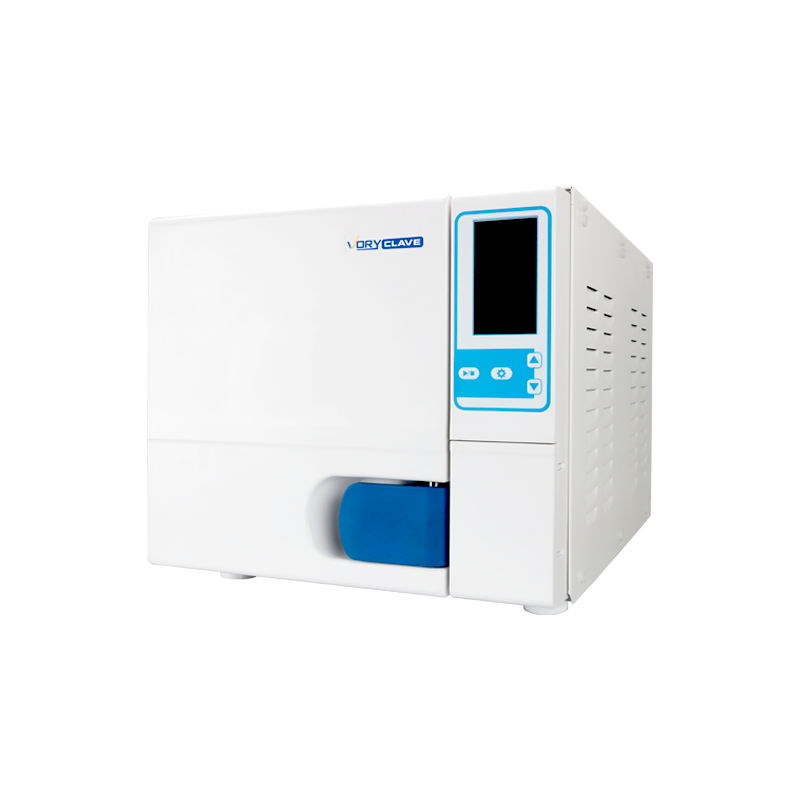
Some Class B units now offer accelerated programs that complete a full vacuum-based cycle in around 23 minutes, as demonstrated by at least one compact 17-liter model that finishes a Class-B cycle in 23 minutes while still logging cycle data via USB, narrowing the gap that used to separate Class B units from faster Class N programs. Faster cycles matter most for practices doing back-to-back procedures where instrument sets need to return to circulation within the same appointment block.
Sizing Chamber Capacity to Real Patient Throughput
A common sizing mistake is choosing an autoclave based purely on liters of chamber volume without mapping that number to actual daily instrument-set demand. The more reliable approach is to count how many instrument sets a clinic processes during its busiest half-day block, then size the sterilizer so that block never creates a backlog.
Instrument-set throughput planning also protects against a subtler cost: staff idle time. When a sterilizer is undersized, dental assistants end up waiting on cycles between patients rather than prepping the next room, which quietly erodes appointment scheduling gains that a practice worked hard to build.