
 English
 عربى
عربىIndustry News
Home / News / Industry News / How to Start a Dental Practice: A Complete Step-by-Step Guide for New Dentists
Content
Starting a dental practice from scratch is not a single event. It is a sequence of decisions that usually takes 12 to 18 months from first research to opening day. The practices that open successfully are the ones that finish each stage before moving to the next.
The fastest reliable path is to research the local market, write a business plan, secure financing, choose a location, design the clinical space, purchase equipment that fits your workflow, hire and train your team, and launch marketing before you accept your first patient. If you are working as an associate dentist, use that time to study the business side of dentistry before you sign a lease.
The American Dental Association recommends starting with a thorough demographic analysis. That advice is easy to skip, but it is the reason many practices struggle in their first year. A good-looking building in the wrong neighborhood cannot save a practice with an insufficient patient base.
Public data from census records, city planning reports, and local health departments can give you a solid base. Then add field research: visit the area at different times of day, talk to nearby businesses, and check how easy it is for patients to park. A location that looks acceptable on paper still needs to work in reality.
Your business plan is not just a bank document. It is the operating script for your first two years. It should be specific enough to guide hiring, pricing, purchasing, and marketing decisions.
Keep the plan concise. A 20-page plan that you actually update is more useful than a 60-page plan you write once and then ignore.
Location affects four things: patient convenience, rent, staffing pool, and the type of insurance revenue you can attract. Treat location as a business asset, not a personal preference.
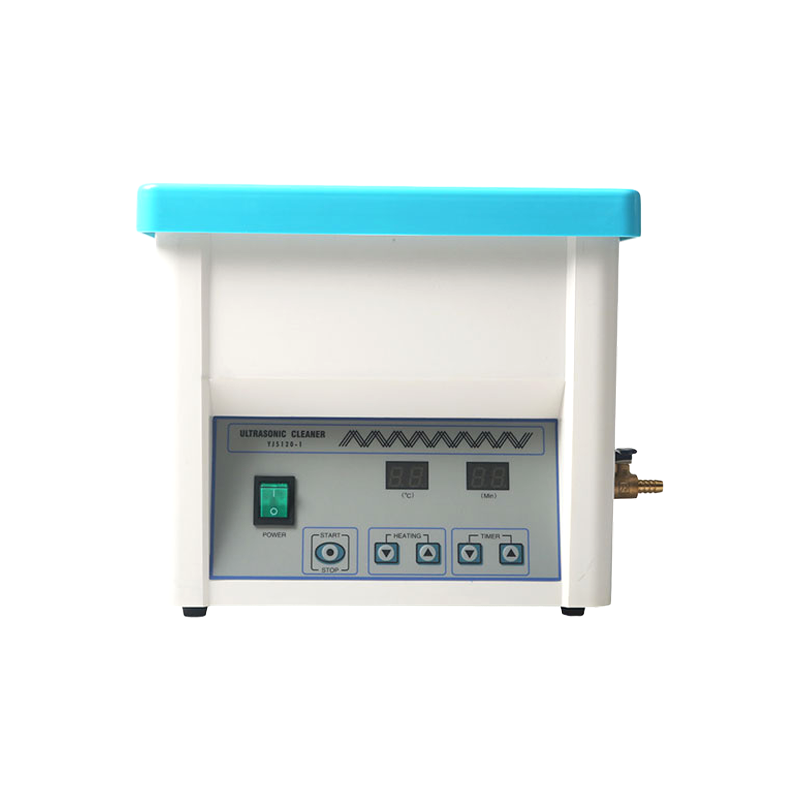
Design the sterilization room around a one-way workflow. Dirty instruments enter from one side, are cleaned in an ultrasonic cleaner, rinsed, dried, packaged, sterilized in an autoclave, and then stored or moved back to treatment rooms. This simple layout reduces the risk of cross-contamination and saves time.
After your business plan is written, you can approach lenders with realistic numbers. The order matters because a lender will expect solid projections before they open a line of credit.
Every new practice has unexpected costs. Build a contingency fund of at least 10% of your total startup budget before you sign anything. Leasehold improvements and equipment installation are the two areas where costs most often go over.
Your equipment list has to match the procedures you plan to offer. A general dental practice usually needs chairs, delivery systems, X-ray units, intraoral scanners, handpieces, computers, and a sterilization setup.
| Equipment | Purpose |
|---|---|
| Dental chair and delivery system | Patient positioning and instrument access |
| Overhead light and X-ray unit | Diagnosis and visualization |
| Intraoral scanner | Digital impressions |
| Computer and practice management software | Scheduling, billing, and patient records |
| Handpieces and scaler | Clinical procedures |
| Ultrasonic cleaner | Pre-cleaning of instruments |
| Autoclave | Final sterilization of instruments |
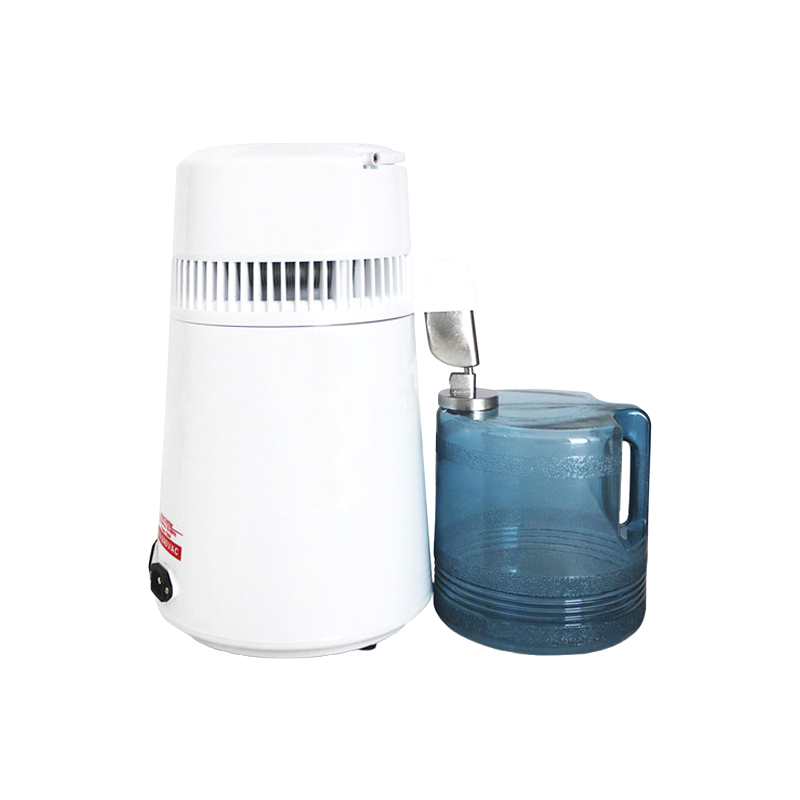
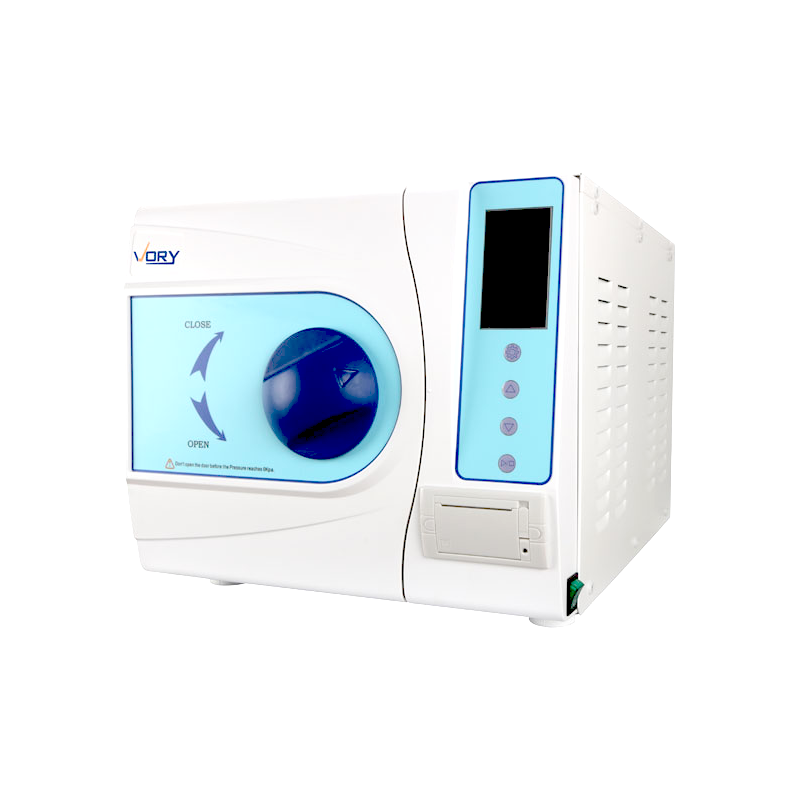
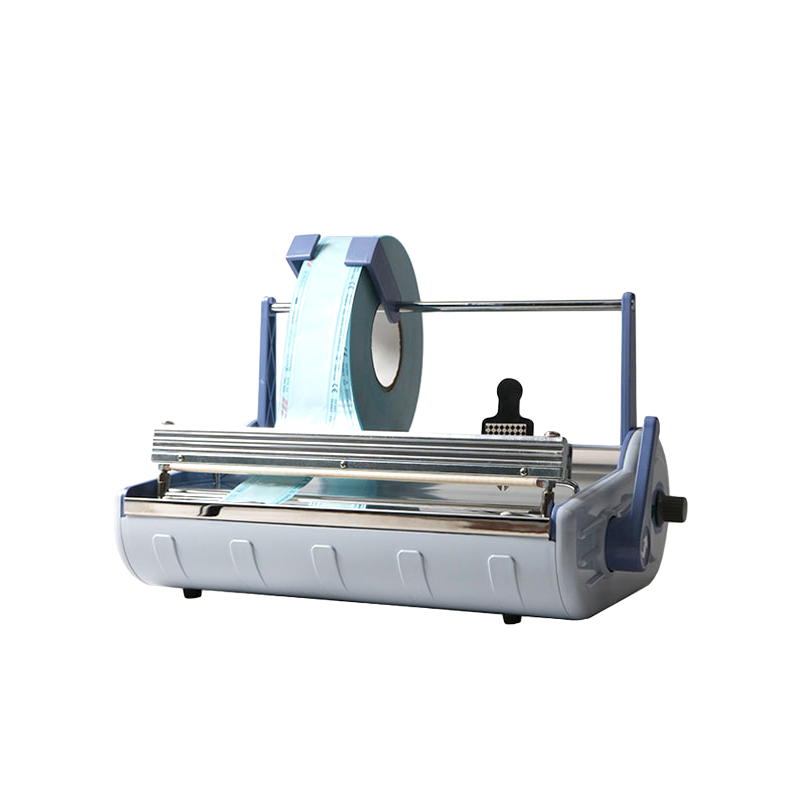
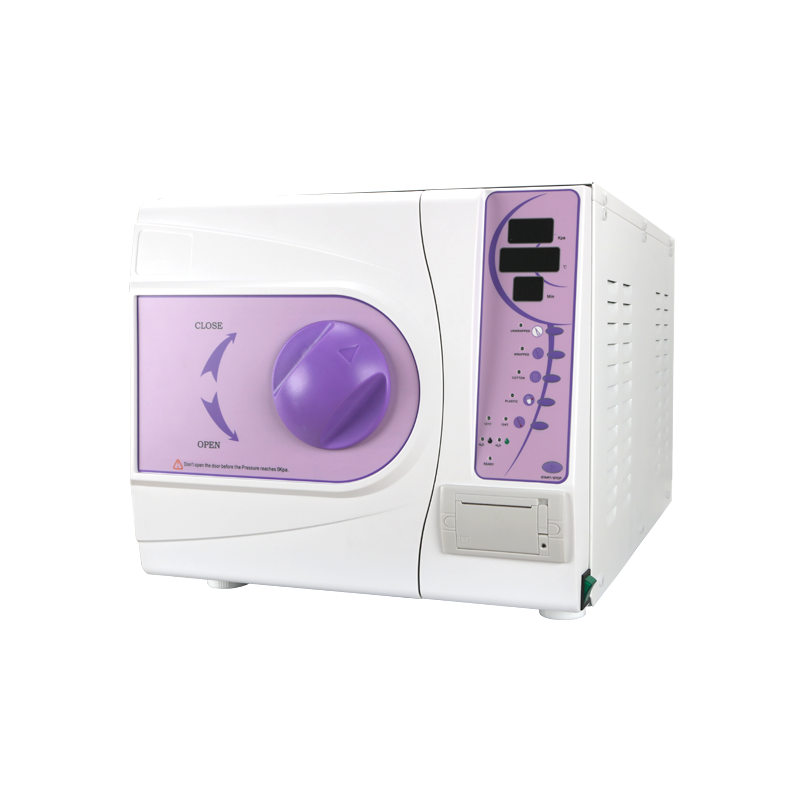
For a small dental practice, sterilization equipment deserves as much attention as the clinical chair. The ultrasonic cleaner removes debris before sterilization, and the autoclave kills microorganisms on the instruments. A water distiller supplies clean water for the autoclave and ultrasonic tank, while a sealing machine keeps sterile packages closed.
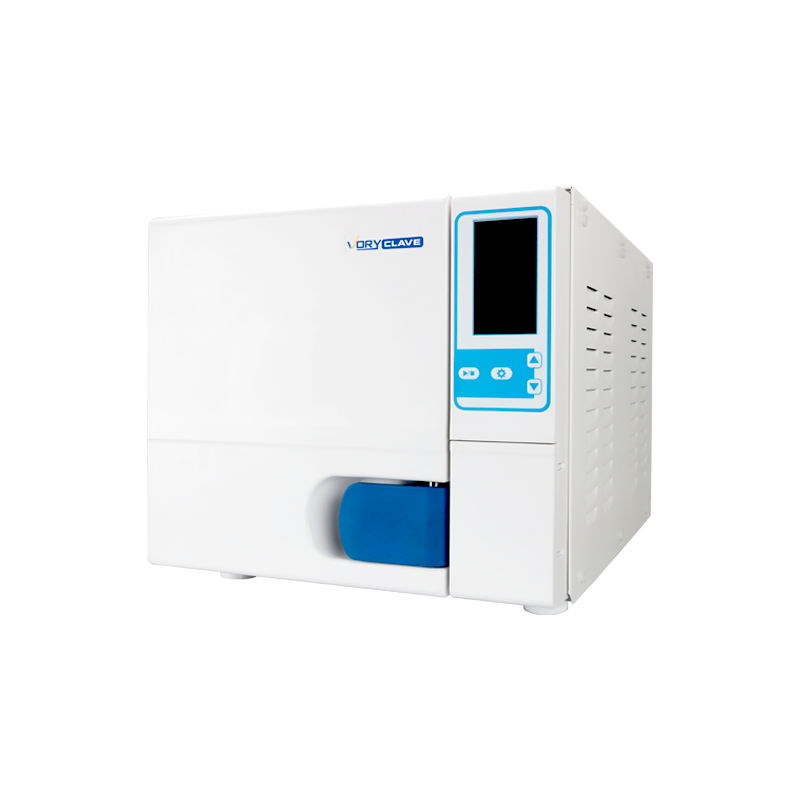
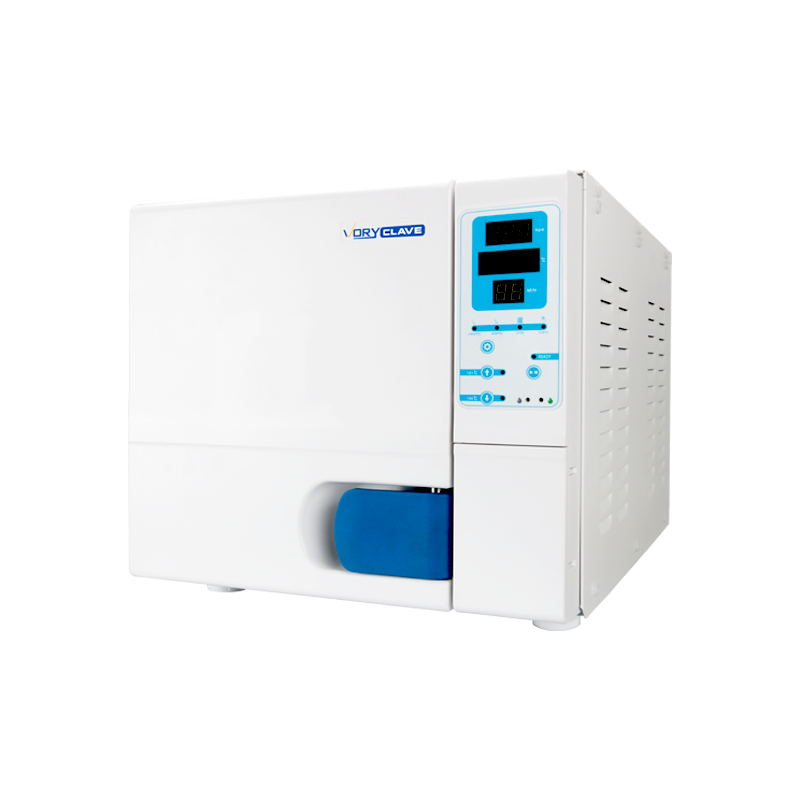
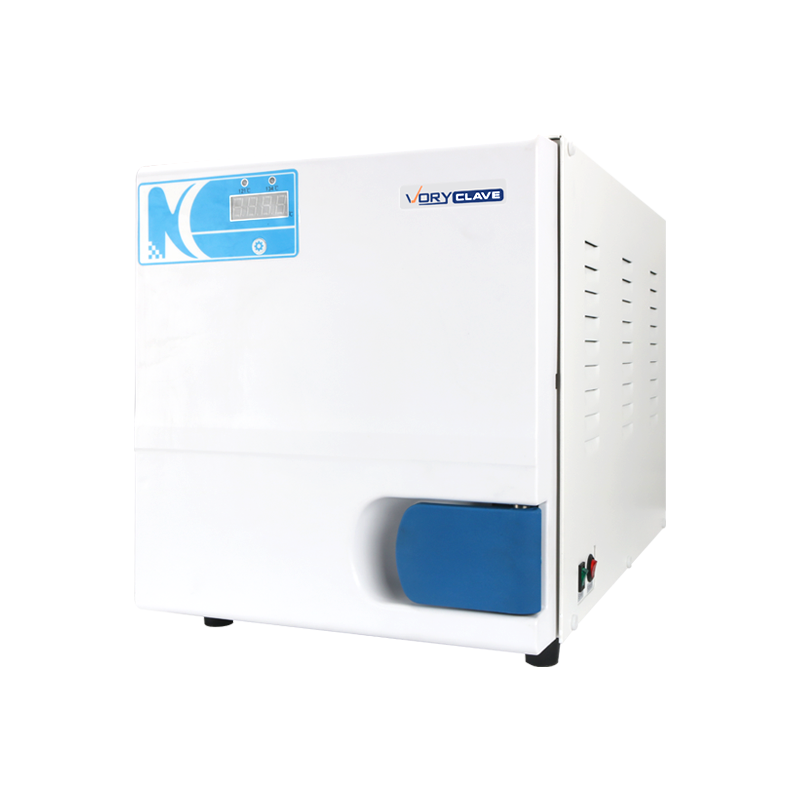
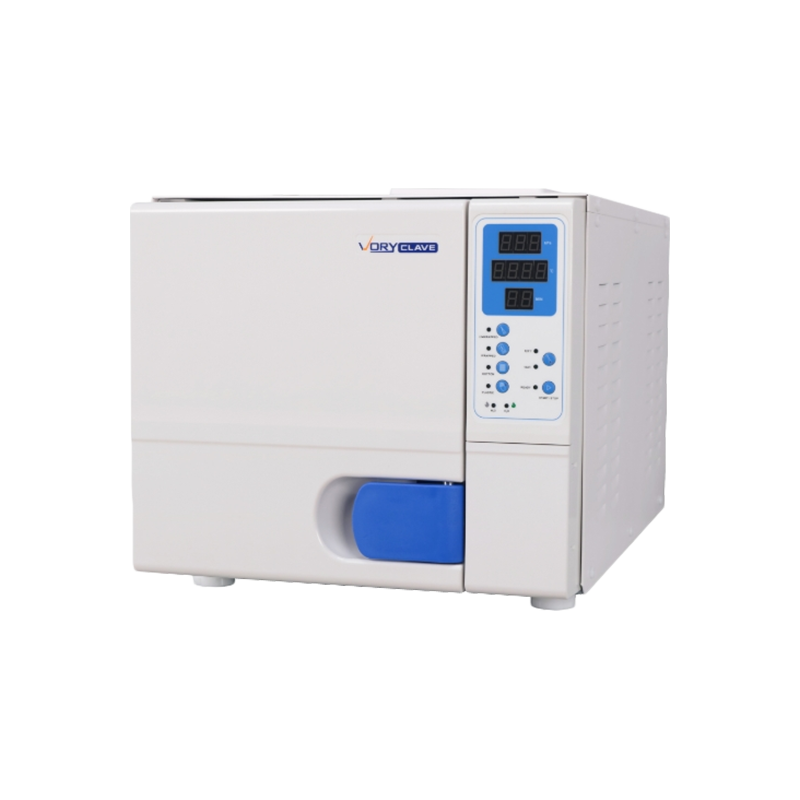
One practical setup is a compact tabletop autoclave for routine instrument loads, a dedicated Class N unit for simple unwrapped loads, and an ultrasonic cleaner for the first cleaning stage. For example, the VORYBA tabletop autoclave fits small operatories, while the VORYNF Class N autoclave supports straightforward solid-instrument cycles. Both work well with an ultrasonic cleaner in the prep area.
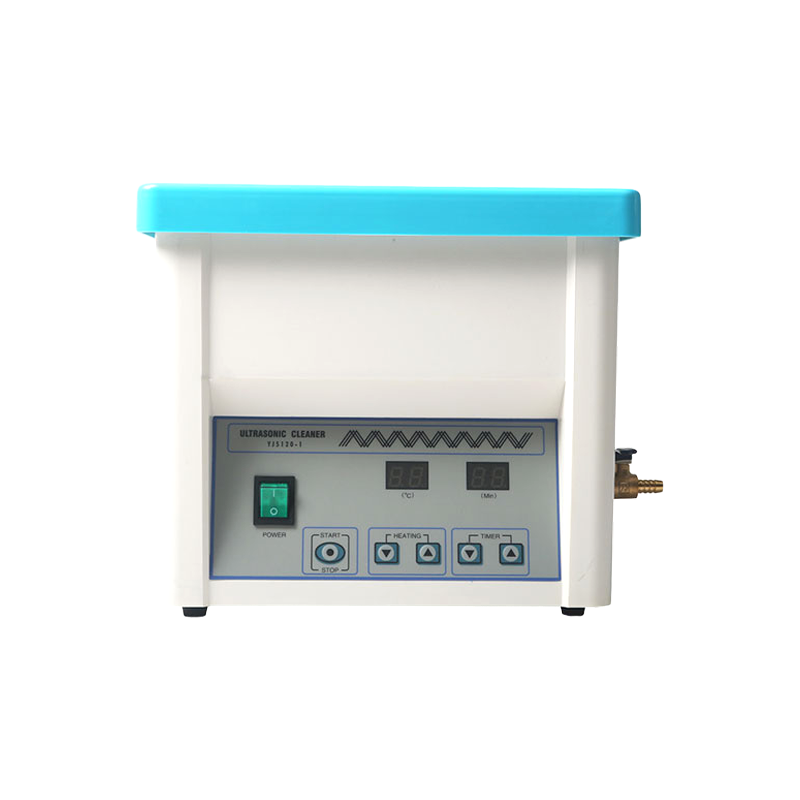 Wholesale Dental UltraSonic Cleaners Manufacturers, SuppliersNingbo Wanrui Medical Instrument is Wholesale Ultra Sonic Cleaners Manufacturers and Dental Ultrasonic Cleaning Machine Suppliers, UltraS...View Product →
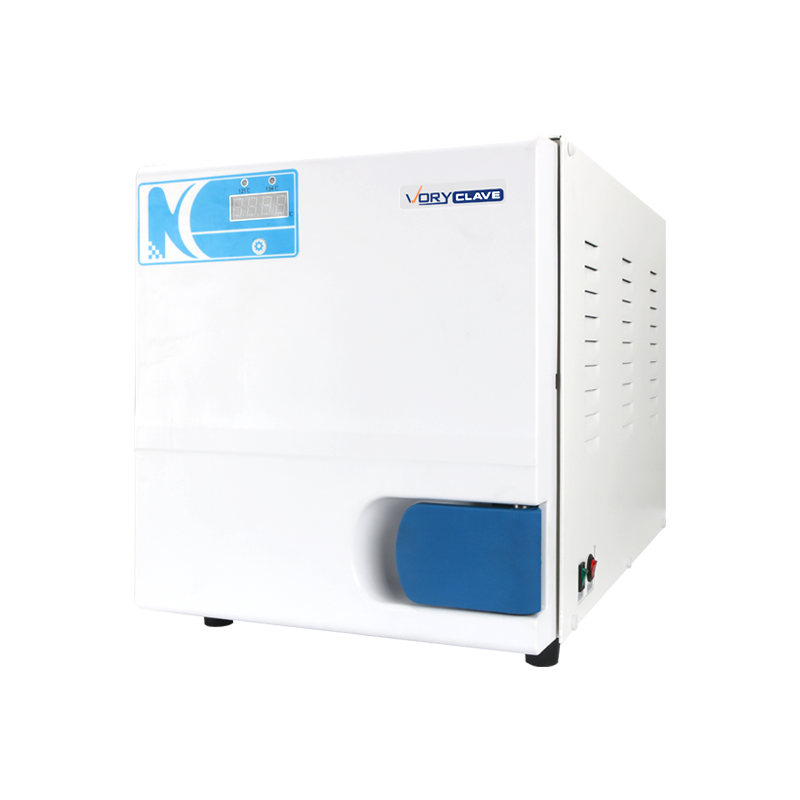 Custom Fully automatic Autoclave class n model:vory-n-f Suppliers, OEM/ODM FactoNingbo Wanrui Medical Instrument Co., Ltd is China Custom Fully automatic Autoclave class n model:vory-n-f suppliers and OEM/ODM factory,...View Product →
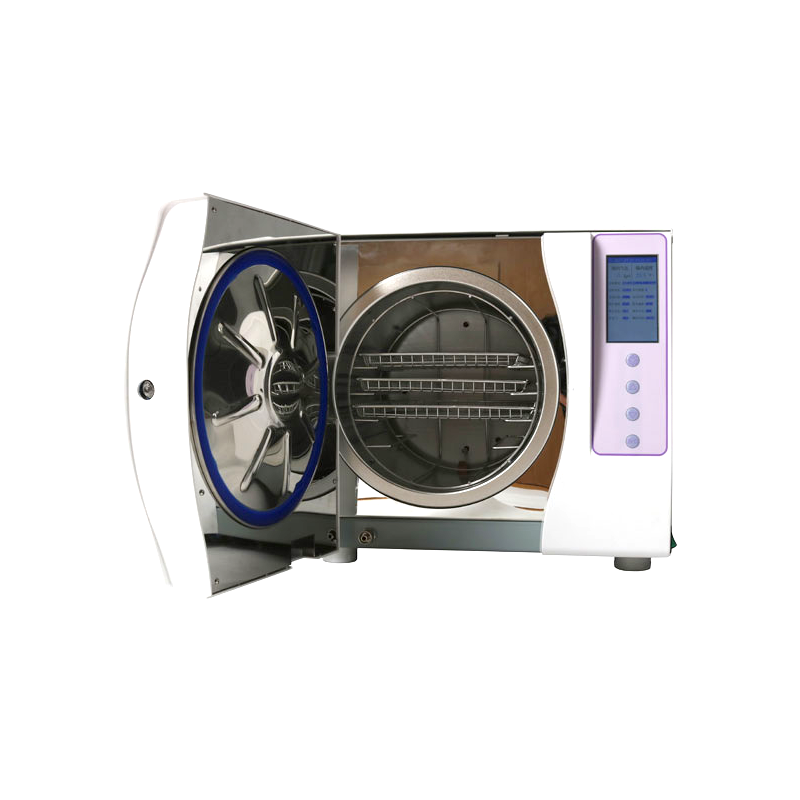 Custom LCD display model:vory-b-a Class B Autoclave Steam Sterilizer Suppliers, Ningbo Wanrui Medical Instrument Co., Ltd is China Custom LCD display model:vory-b-a Class B Autoclave Steam Sterilizer suppliers and OEM...View Product →
If you are not sure what fits your practice, read our guide on how to choose the right autoclave for your dental practice.
Plan for installation before your opening date. Confirm water pressure, drain lines, power supply, and ventilation. Once equipment is running, create a maintenance schedule. Daily checks and weekly cleaning prolong the life of an autoclave, and routine maintenance is easy to ignore during the first busy months. Our sterilizer instructions and maintenance guide covers the common steps.
Your staff sets the first impression long before you walk into the room. Choose people who can handle both the clinical routine and the front-desk pressure.
Train every team member on instrument processing, even if they are not directly involved in sterilization. A simple checklist on the wall prevents mix-ups. Also train your front desk on how to respond to insurance questions, because that is the most common source of phone traffic in a new practice.
The best time to fill your schedule is before your doors open. A pre-launch marketing plan gives you a running start and helps your team practice the workflow.
During the first week, write down where every patient came from. If one referral source is clearly working, put more effort there. If a certain insurance plan is producing no patients, reconsider how much time you spend accepting it.
The financial health of your practice lives in a few key metrics. Check them monthly, not yearly.
| Metric | Why it matters |
|---|---|
| New patients per month | Shows whether your marketing is producing actual visits. |
| Production per patient | Reveals how well your treatment plans are accepted. |
| Collection ratio | Measures how much of what you bill is actually paid. |
| Overhead as a percentage of revenue | Shows whether your cost structure is sustainable. |
| No-show and cancellation rate | Affects scheduling, revenue, and clinical capacity. |
| Sterilization cycle completion rate | Confirms that your infection-control workflow is working. |
Use the first few months to set baselines. A new practice rarely turns a profit in month one. What matters is the trend.
Most timelines land between 12 and 18 months from the first market study to the opening day. Finding and equipping the location usually takes the longest part of that period.
The exact number depends on your city, the size of your space, and the condition of the building. Build a detailed budget with leasehold improvements, equipment, initial supplies, payroll for the first few months, and a contingency fund. If you are working with a lender, they will ask for the full budget line by line.
A location with good visibility, easy parking, and a stable patient base within a short drive is better than a luxury building in a crowded area. Consider how far your existing patients are willing to travel.
The autoclave must match your instrument load. Class B autoclaves handle wrapped and porous loads, while Class N autoclaves are appropriate for unwrapped solid instruments. Many small practices keep a compact tabletop autoclave for routine cycles and add a separate unit if they process more complex loads. Always check the manufacturer instructions before choosing a cycle. You can also compare Class B and N sterilizer differences before you decide.
Start before opening day. Build your Google profile, create a website, send announcements to local businesses, and ask friends and family to book the first available appointments. A soft opening also helps your team practice the workflow before the practice is busy.
If you have any question for the installation
or need support, please feel free to contact us.
86-15728040705
86-18957491906


