
 English
 عربى
عربىIndustry News
Home / News / Industry News / Water Distiller for Dental Office: How to Choose the Right One and Why It Matters
Content
A water distiller is one of the least expensive machines in a dental office and one of the most protective. Distilled water keeps scale out of your autoclave chamber, reduces the mineral load that feeds biofilm in dental unit waterlines, and leaves no spotting on instruments or pouches. If you run a tabletop steam sterilizer, distilled water is not an optional extra; it is the water your equipment manual assumes you are using.
This guide walks through why purity matters in a dental setting, how distillation compares with reverse osmosis and deionized water, how to size a unit to your daily volume, which features separate a dependable machine from a frustrating one, and the maintenance habits that keep it running for years.
The autoclave is the clearest beneficiary. Every tabletop steam sterilizer manual specifies distilled water for a reason. Tap water carries dissolved calcium, magnesium and other minerals; at sterilizing temperatures those minerals precipitate onto the chamber walls, the heating element and the safety valve. Scale acts like insulation: the machine takes longer to reach temperature, cycles start throwing errors, and the heating element runs hotter until it fails. Manufacturers consistently warn that scale damage builds silently over months and is far cheaper to prevent than to repair.
Dental unit waterlines are the second reason. The tubing inside a dental unit is narrow, stays warm and holds stagnant water overnight, which is exactly the environment where biofilm forms. According to the CDC's infection control guidance for dental settings, water used for nonsurgical treatment should contain no more than 500 CFU/mL of heterotrophic bacteria, while surgical procedures that penetrate tissue call for sterile water delivered through sterile systems. Filling self-contained water bottles with distilled water does not replace waterline treatment, but it cuts down the minerals and contaminants you introduce, so tablets, filters and shock treatments have less to fight.
The third reason is what patients and sterilization staff actually see. Hard water leaves a white mineral film on instruments, dulls mirrors and stains the inside of sterilization pouches. Steam generated from distilled water condenses clean and evaporates during the drying phase, so cassettes come out dry, bright and spot-free.
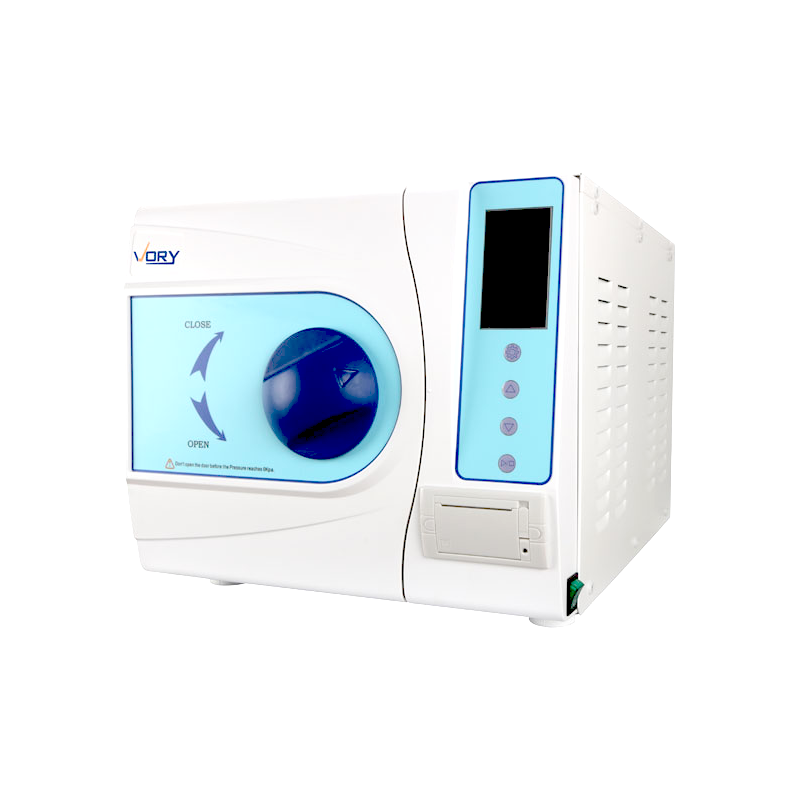
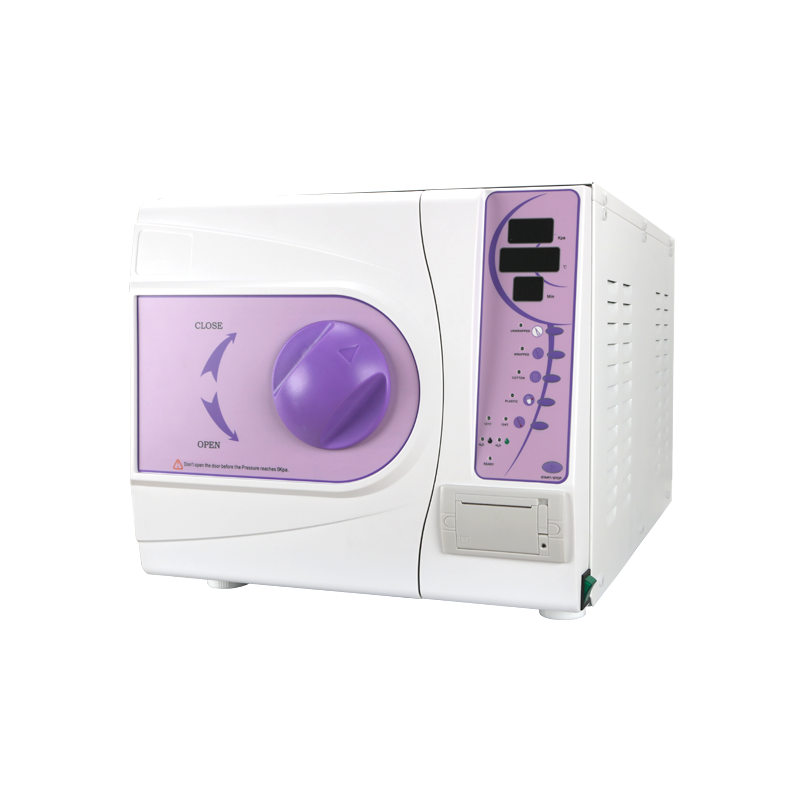
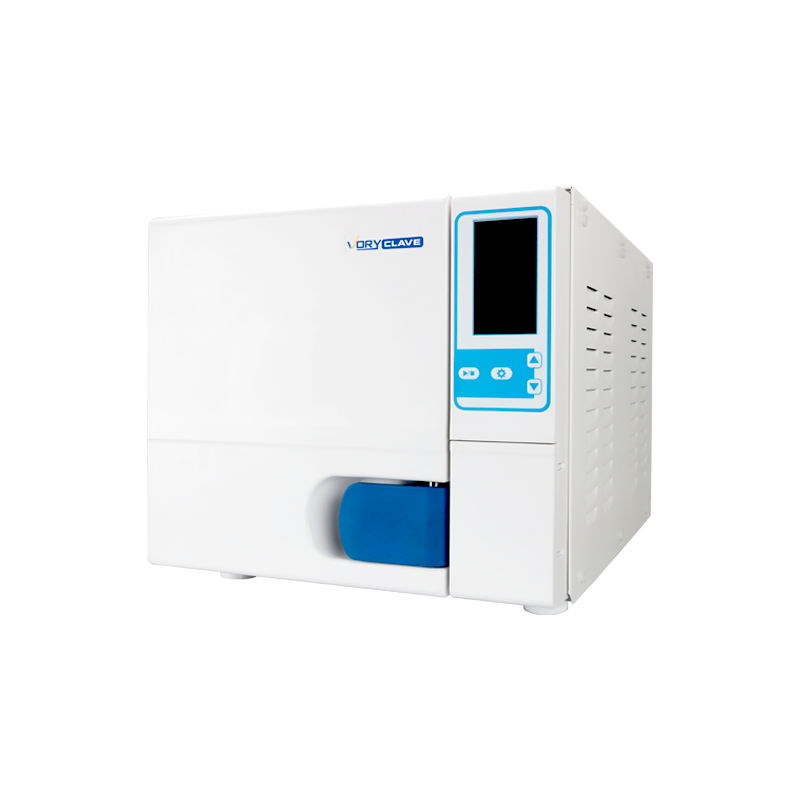
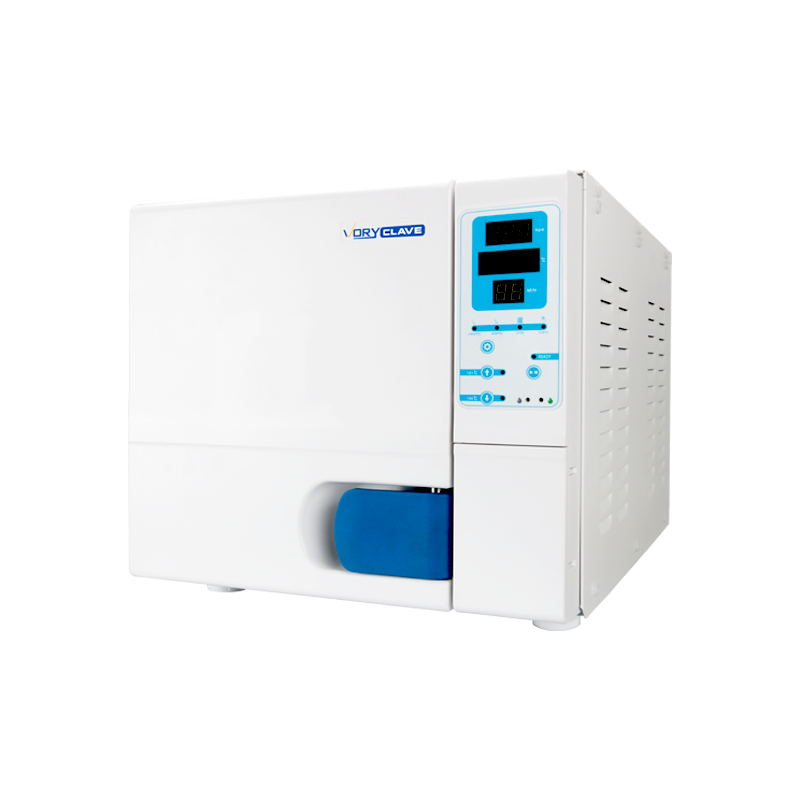
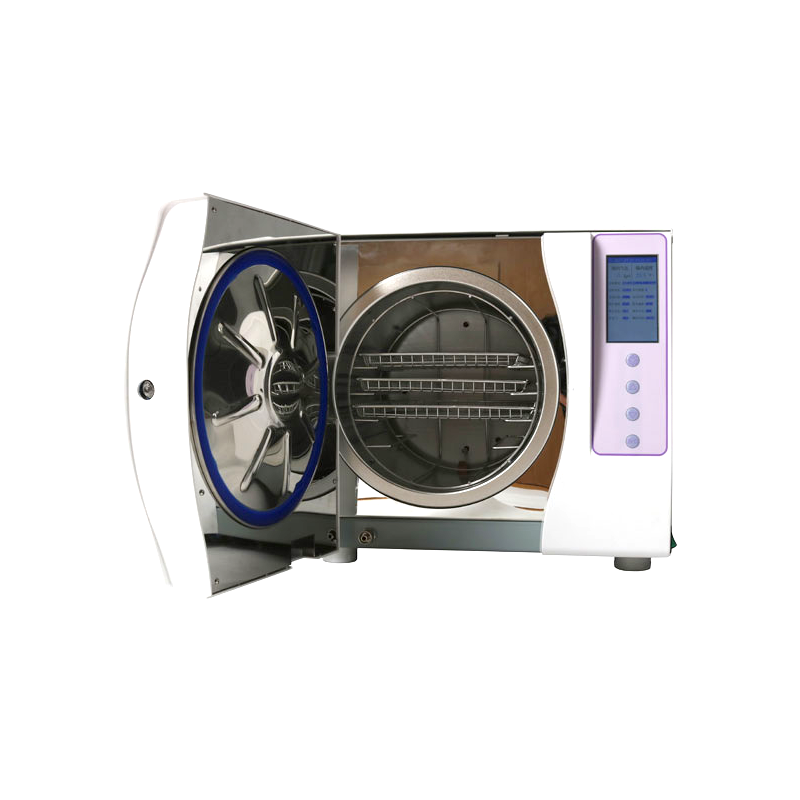 LCD Display Class B Autoclave Steam SterilizerThis Class B steam sterilizer uses three pulsating vacuum cycles and an LCD display with self-test and error codes for reliable daily operation. Running it on distilled water prevents mineral film on instruments and pouches, keeping cassettes dry and spot-free.View Product →
Distillation is physically simple, which is why it is so reliable. You heat water until it boils, the steam rises and leaves nearly everything dissolved behind, then the steam is cooled and collected as near-pure water. Minerals, metals, salts, most bacteria and endotoxins cannot evaporate with the steam, so they stay in the boiling chamber.
The white, chalky residue you find in the boiling chamber after a batch is the proof the process worked; it is everything that would otherwise have ended up inside your autoclave. That residue needs to be rinsed away regularly, which we cover below. A small activated carbon post-filter is also worth having, because a tiny fraction of chlorine and other volatile compounds can carry over with the steam, and the carbon stage catches them.
On output, a typical 4-liter countertop unit completes one batch in roughly 3.5 to 4.5 hours, depending on wattage and the temperature of the feed water. Those figures are the standard specifications across most consumer and light-professional distillers.
Dental supply catalogs sell several kinds of pure water, and they are not interchangeable. The differences come down to what each purification method can and cannot remove.
| Water type | Typical dissolved solids | What it removes | Best use in a dental office |
|---|---|---|---|
| Tap water | Often 100 to 500 or more ppm | Very little | Hand hygiene and general cleaning; never for the autoclave |
| Reverse osmosis | Roughly 10 to 50 ppm | Most dissolved minerals; microbes only partially | Dental unit bottles where an RO system is installed; confirm your autoclave manual first |
| Deionized water | Below 10 ppm | Ions only; not necessarily bacteria or endotoxins | Laboratory tasks and material mixing where ions matter |
| Distilled water | Roughly 0 to 10 ppm | Minerals, metals, most bacteria and endotoxins | Autoclaves, self-contained water bottles, final instrument rinses |
The takeaway: distilled water is the safest default for the autoclave because distillation is the only one of these methods that removes minerals and microorganisms in a single step. Reverse osmosis systems are convenient but depend on membrane condition, and deionizers polish ions without touching microbes.
Sizing mistakes go in both directions: an undersized unit leaves the team waiting for water, and an oversized one takes up counter space and eventually gets switched off. The practical method is to add up where your distilled water actually goes.
As a rule of thumb, a one- or two-chair practice usually covers its daily need with a single 4-liter batch. Three to five chairs means running the unit twice a day or choosing a larger boiler. Larger clinics should either install two units or step up to a higher-output machine, so a failed batch never stalls sterilization for the afternoon.
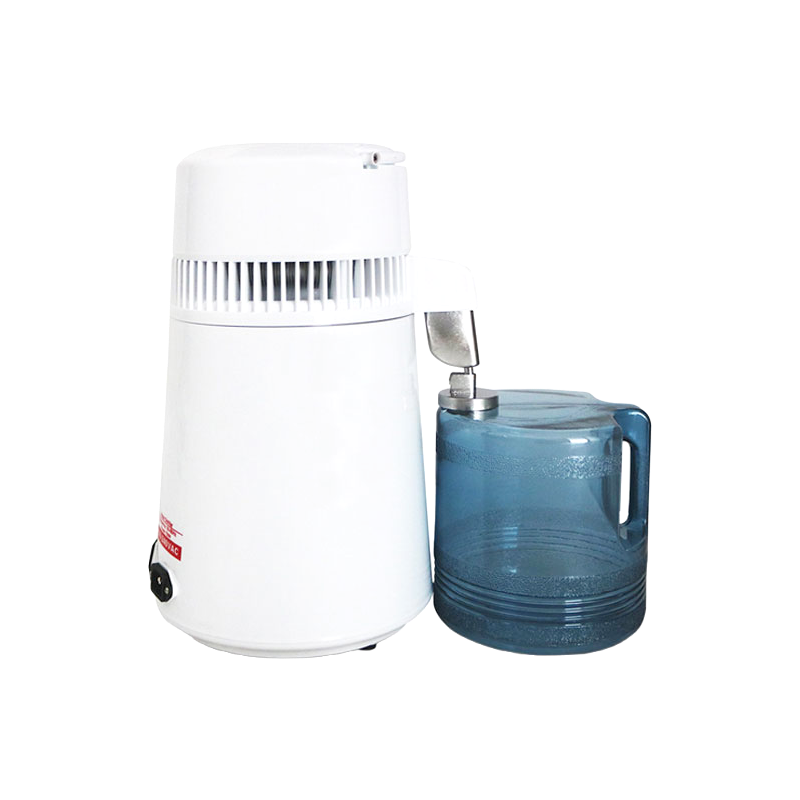 Water Distiller for Dental and Sterilization UseAutoclaves require distilled water, since purified water can clog pipes and pressure sensors. A single 4-liter batch typically covers a one- or two-chair practice's daily demand, making a distiller a practical, cost-saving alternative to delivered bottled water.View Product →
Feature lists look similar across brands, so it helps to know which details actually affect daily use. Before you compare models, it is also worth weighing the pros and cons of using a water distiller against a delivered bottled supply for your volume; for most small practices the distiller pays for itself within the first year or two.
A distiller is not a standalone purchase; it feeds the rest of your infection control equipment. Think of it as the first link in the chain, because water quality determines how well every downstream machine performs.
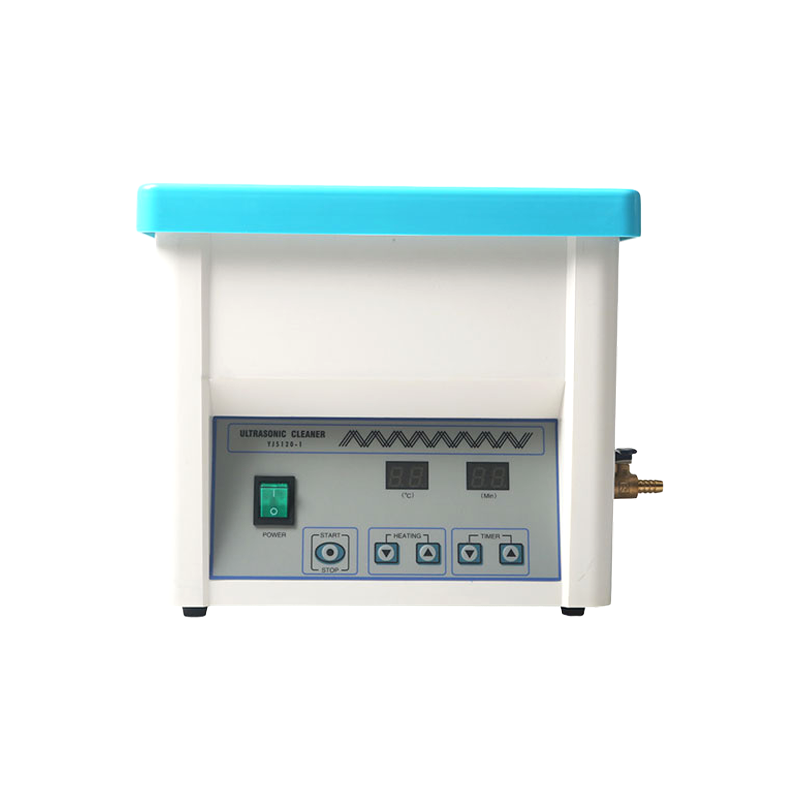
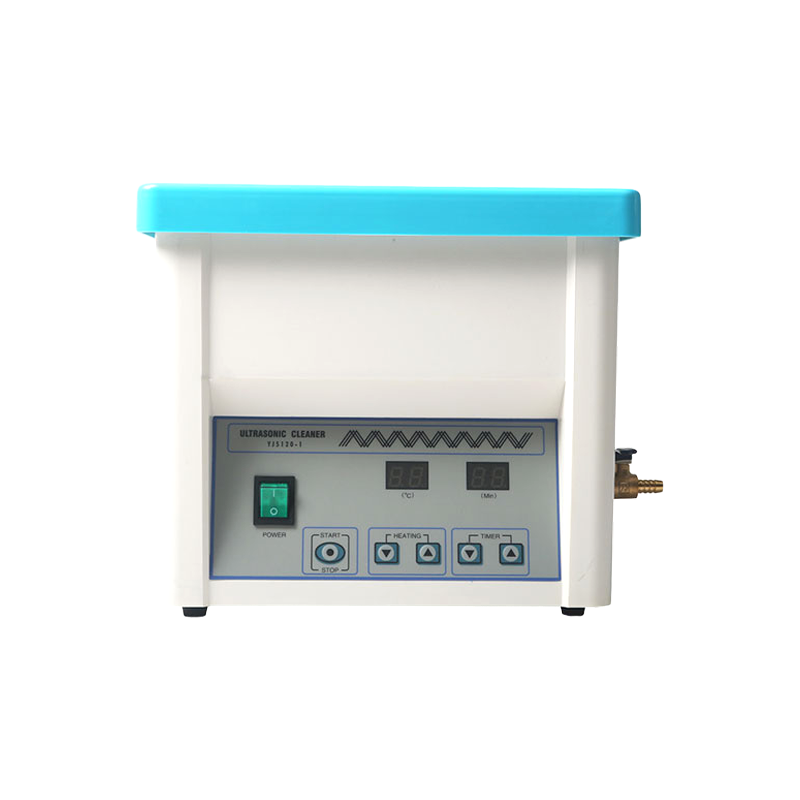 Ultrasonic Cleaner for Instrument CleaningUltrasonic cleaning safely and efficiently removes debris from instruments before sterilization. Fed with distilled water, it stays streak-free and fits into the purification chain that also supports the autoclave and pouching workflow.View Product →
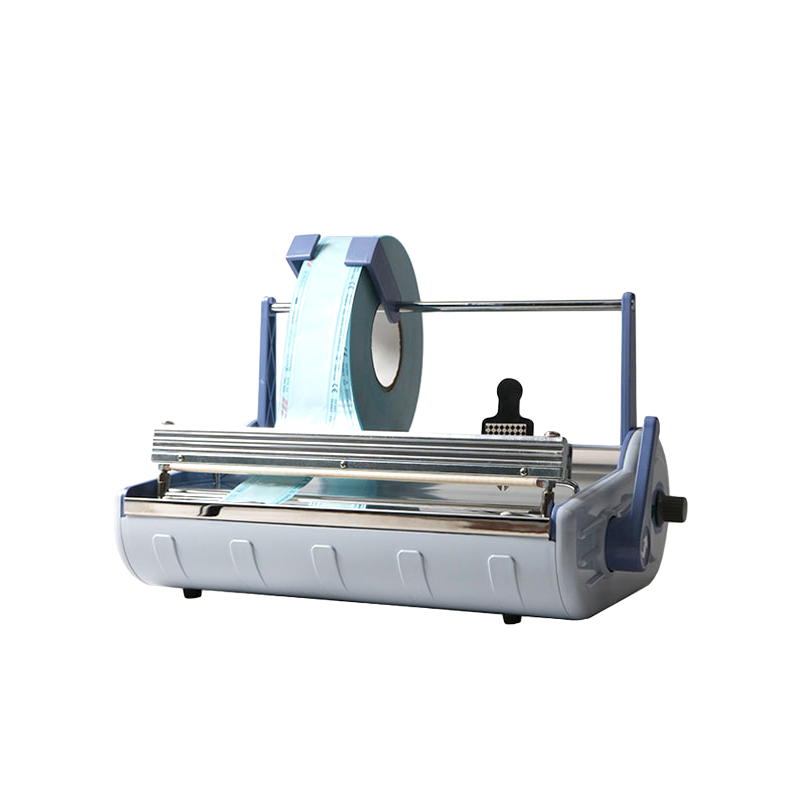
Sourced this way, one distiller quietly supports three machines: it keeps the ultrasonic rinse streak-free, extends the autoclave's service life, and ensures pouched instruments look the way patients expect clean instruments to look. Practices that treat water purity as part of the chain, rather than a supply detail, spend noticeably less on repairs across all of it.
Distillers fail from neglect, not from complexity. Five habits keep a unit running for years.
Most service calls on distillers trace back to scale buildup or dry boiling rather than electronic faults. A detailed look at common water distiller failures shows how predictable those breakdowns are, and how most of them are prevented by the five habits above.
Check your manual first. Many manufacturers specify distilled water because distillation removes minerals and microorganisms together, while deionization removes ions only. Deionized water with very low dissolved solids is often acceptable in practice, but distilled water is the safe, universal choice.
Add autoclave consumption, dental unit bottles and rinse water. For a small practice this typically lands between 4 and 10 liters a day, which is why a single 4-liter batch per day is the most common configuration.
Pure water does not spoil, but it recontaminates easily. Keep it sealed, cool and out of sunlight, and use it within about a week for clinical applications.
Distillation strips out dissolved minerals and gases, which changes the taste completely. That is irrelevant for equipment use, and it actually confirms the water is pure.
Drain it after every batch and descale weekly in hard-water areas, or whenever you can see white residue. In soft-water areas you can stretch to two weeks, but never let scale harden inside the chamber.
The buying decision comes down to three numbers and one habit: enough liters per batch to cover your daily volume, a stainless chamber that survives repeated descaling, an automatic shut-off that survives forgetfulness, and the discipline to drain the boiler while it is warm. Get those right and a distiller costs a fraction of a single autoclave heating element while quietly improving everything your sterilization room produces.
If you have any question for the installation
or need support, please feel free to contact us.
86-15728040705
86-18957491906


